Coins
|
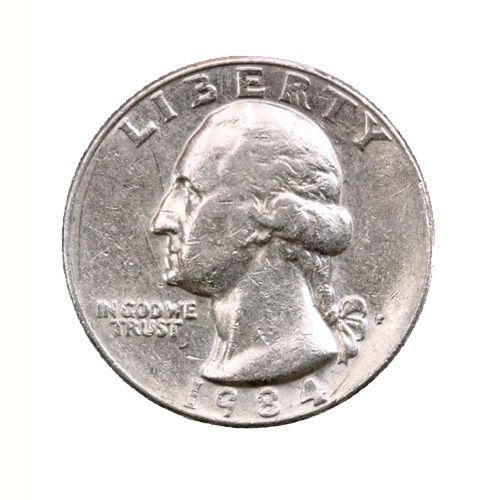
The quarter, as part of the U.S. currency system, carries a fixed face value of 25 cents. This means that in every transaction, regardless of the coin’s age, design, or composition, it is legally worth $0.25, or one‑fourth of a dollar. That value has remained constant since the quarter was first introduced in 1796, and it continues to serve as one of the most practical denominations in circulation. The quarter’s cost in this sense is straightforward: it represents a quarter of a dollar, making it a natural building block of currency. Four quarters equal one dollar, and this simple relationship has made the coin indispensable in everyday life. Whether paying for a small purchase, feeding a parking meter, or saving coins in rolls, the quarter’s value is easy to calculate and use. Its cost is high enough to matter in transactions but small enough to remain convenient, striking a balance between utility and accessibility. In practical terms, the quarter’s 25‑cent value makes it the coin most often relied upon in commerce. It is the standard denomination for vending machines, laundromats, toll booths, and arcade games. Unlike pennies or nickels, which accumulate slowly, quarters add up quickly, making them the coin people actively seek out when they need change. A handful of quarters can cover meaningful amounts, and their fixed cost ensures they remain central to daily transactions. The quarter’s cost also carries symbolic meaning. It represents precision and balance, embodying the idea that small units can combine to form larger sums. For children learning about money, the quarter is often the coin that introduces fractions—one quarter of a dollar, two quarters equal half a dollar, and so on. This makes the coin not only a financial instrument but also an educational tool, teaching concepts of division and value in a tangible way. Even though inflation has reduced the purchasing power of 25 cents compared to the past, the quarter’s cost remains significant. It is still widely used, still practical, and still essential for exact change. Its fixed value ensures that it continues to circulate as one of the most trusted and relied‑upon coins in the United States. |
|---|