Coins
|
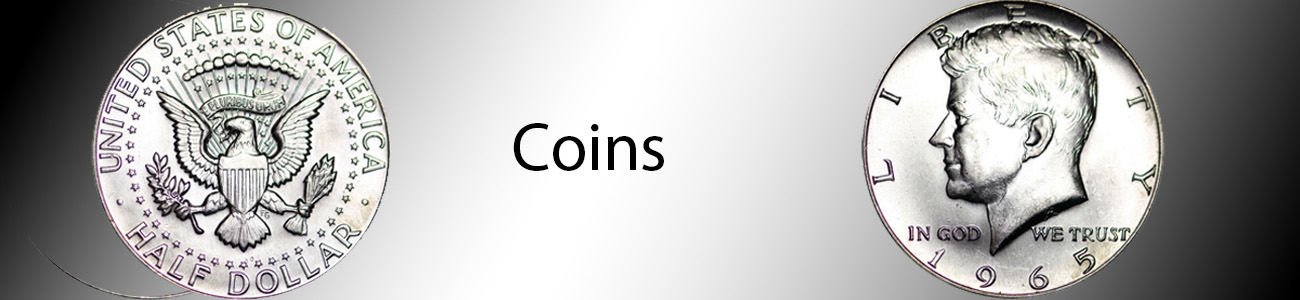
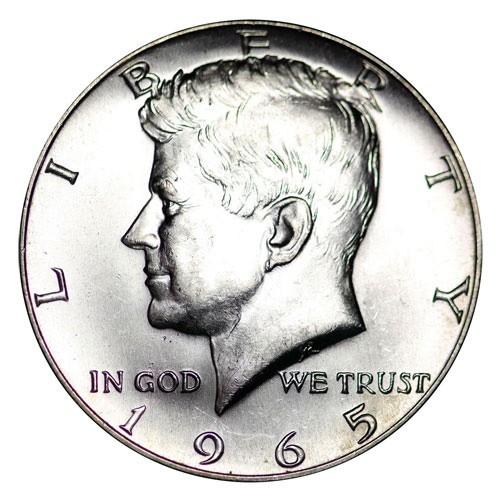
The half dollar is one of the largest coins in U.S. circulation, valued at 50 cents. Its size and weight make it stand out compared to smaller denominations like the penny, nickel, dime, and quarter. Measuring 30.61 mm in diameter and 2.15 mm thick, it is noticeably larger and heavier, weighing 11.34 grams. The edge of the coin is reeded with 150 ridges, giving it a distinctive texture and making it easy to identify by touch. Obverse (Front)Since 1964, the obverse of the half dollar has featured the profile of President John F. Kennedy, designed by Gilroy Roberts. Kennedy’s portrait faces left, accompanied by inscriptions such as “LIBERTY”, “IN GOD WE TRUST”, and the year of minting. A mint mark also appears, indicating where the coin was produced. The Kennedy half dollar was introduced as a tribute following his assassination in 1963, and his image has remained on the coin ever since. Reverse (Back)The reverse design, created by Frank Gasparro, displays the Presidential Seal. At the center is a heraldic eagle holding an olive branch and arrows, symbolizing peace and strength. Surrounding the eagle are 50 stars representing the states, along with inscriptions “UNITED STATES OF AMERICA” and “HALF DOLLAR”. This design reinforces the coin’s role as both currency and a national symbol. Composition and AppearanceModern half dollars are made of a copper core clad in nickel, giving them a silver‑colored appearance similar to quarters and dimes. Earlier versions (1964) were struck in 90% silver, and coins from 1965–1970 contained 40% silver, making them popular among collectors. Today’s clad half dollars are durable and resistant to wear, though they are less commonly seen in everyday transactions. Everyday PresenceBecause of its size, the half dollar is less frequently used in daily commerce compared to smaller coins. However, when encountered, it feels substantial in the hand and carries a sense of importance. Its distinctive look and Kennedy’s portrait make it instantly recognizable, and it remains popular in commemorative issues and among coin collectors. |
|---|