Coins
|
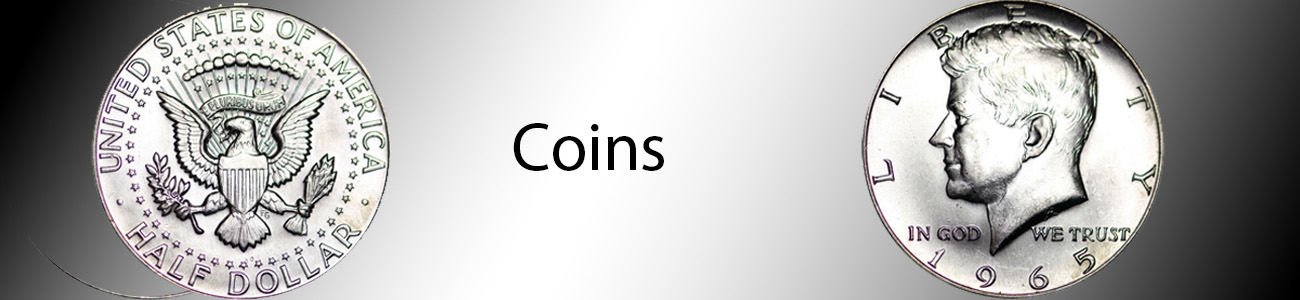
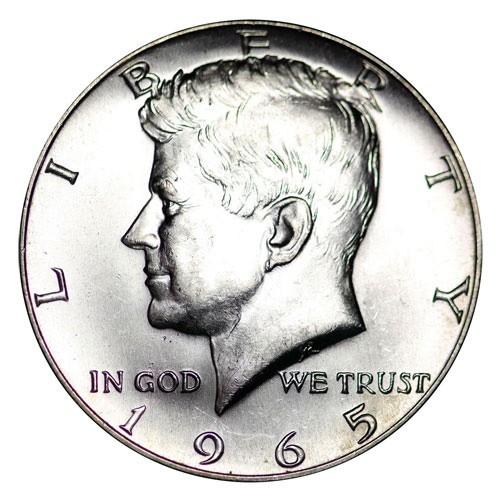
The half dollar, valued at 50 cents, is one of the largest coins produced by the U.S. Mint. Its creation involves a detailed process that combines metallurgy, precision engineering, and artistry to ensure consistency across millions of coins. Although the half dollar is less common in everyday transactions today, it continues to be struck annually, especially for collectors and commemorative purposes. Step 1: Preparing the MetalModern half dollars are made of a copper core clad in nickel, giving them their silver‑colored appearance. Large sheets of this copper‑nickel alloy are rolled out and cut into discs called planchets. These planchets are smooth and undecorated, but they already carry the exact size and weight specifications of the half dollar. Step 2: Annealing and CleaningThe planchets are heated in a process called annealing, which softens the metal and prepares it for striking. They are then cleaned and polished to remove any residue, ensuring a smooth surface for the designs to be impressed. Step 3: Upsetting the RimNext, the planchets pass through an upsetting mill, which raises a rim around the edge. This rim protects the coin’s design from wear and helps coins stack neatly. For the half dollar, the edge is reeded with 150 ridges, giving it a distinctive texture and making it easy to identify by touch. Step 4: Striking the DesignHigh‑pressure coin presses stamp the planchets with their designs. On the obverse, the presses imprint the profile of John F. Kennedy, while the reverse features the Presidential Seal with an eagle, olive branch, arrows, and 50 stars. Each press can strike hundreds of coins per minute, ensuring sharp details and uniformity. Step 5: Inspection and DistributionAfter striking, the coins undergo inspection and quality control. Any half dollars with flaws—such as weak strikes, off‑center images, or blemishes—are removed. The approved coins are then counted, bagged, and shipped to Federal Reserve banks, from where they enter circulation or are packaged for collectors. Scale of ProductionThough half dollars are not as widely used in daily commerce as quarters or dimes, the Mint still produces millions each year. Many are struck specifically for collectors, proof sets, and commemorative issues, ensuring that the half dollar remains a visible and respected part of U.S. coinage. |
|---|