Coins
|
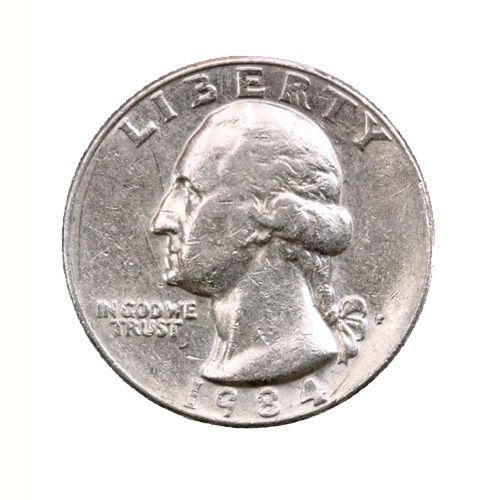
The quarter, valued at 25 cents, is one of the most familiar and widely used coins in the United States. It represents one‑fourth of a dollar, making it a cornerstone of everyday transactions. Unlike smaller denominations such as the penny, nickel, or dime, the quarter is often the coin that carries real utility in commerce. It is the coin most frequently used in vending machines, laundromats, parking meters, and toll booths, where its value is high enough to matter but small enough to be practical. One of the quarter’s defining qualities is its role as a bridge between small change and larger sums. Four quarters equal a dollar, which makes it a natural building block of currency. This simple arithmetic has made the quarter indispensable for teaching children about money, as well as for structuring transactions in daily life. When someone hands over a dollar in coins, it is almost always in quarters, not in dimes or nickels. The quarter’s neat relationship to the dollar ensures that it remains central to the way Americans think about and use coins. The quarter also carries cultural significance. It is often associated with chance and decision‑making, thanks to the tradition of the coin toss. Flipping a quarter to decide between two options has become a ritual in sports, games, and everyday choices. In this way, the quarter is not just a piece of currency but a symbol of fairness, randomness, and fate. Its larger size compared to other coins makes it ideal for this role, as it is easy to flip and catch. In everyday life, the quarter is the coin most likely to be saved and stored. People often keep rolls of quarters for laundry machines, car washes, or arcade games. Unlike pennies, which are often discarded, or nickels, which accumulate slowly, quarters are actively sought out because of their usefulness. A handful of quarters can quickly add up to meaningful amounts, making them practical for both spending and saving. The quarter also reflects the diversity of American identity through its designs. Since 1999, the 50 State Quarters program and later the America the Beautiful series have turned the coin into a canvas for national storytelling. Each design highlights a state, territory, or landmark, allowing the quarter to serve as both currency and a miniature piece of history. This variety has made quarters popular among collectors, while also reinforcing their role as symbols of national pride. Symbolically, the quarter represents balance and utility. It is large enough to matter in transactions but small enough to remain convenient. It embodies the idea of practical value, serving as the coin that people rely on most when dealing with everyday costs. Whether used to buy a snack, pay for parking, or decide the outcome of a game, the quarter continues to hold a place of importance in both commerce and culture. |
|---|