Coins
|
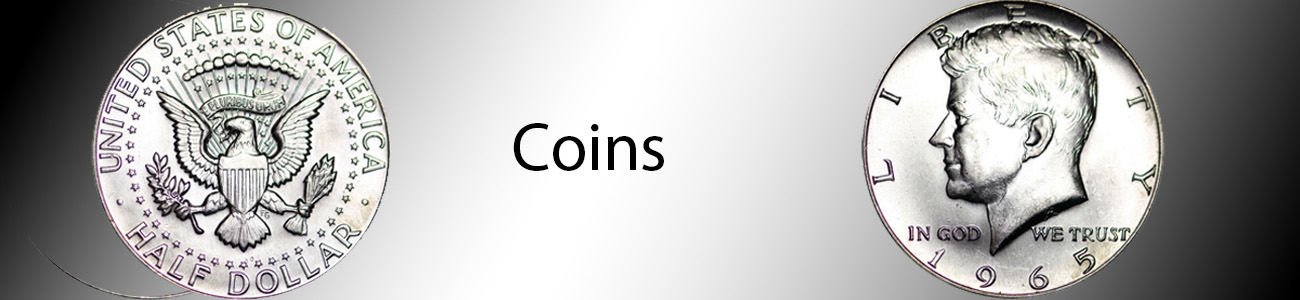
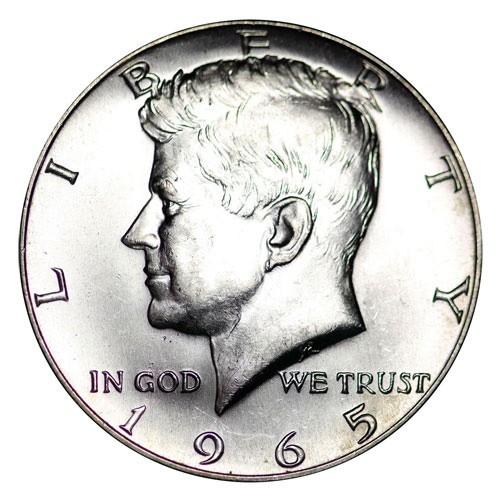
The half dollar, worth 50 cents, was first authorized by the Coinage Act of 1792 and struck in 1794. It quickly became one of the largest circulating coins in the United States, both in size and denomination, serving as a bridge between smaller coins and the dollar. Over more than two centuries, the half dollar has undergone numerous design changes, each reflecting the nation’s values and artistic trends of its time. Early Designs (1794–1839)The first half dollars featured the Flowing Hair design (1794–1795), showing Liberty with flowing hair on the obverse and a small eagle on the reverse. This was followed by the Draped Bust (1796–1807) and Capped Bust (1807–1839) designs, which emphasized classical imagery and national strength. These early coins were made of silver, underscoring their role as valuable currency in the young republic. Seated Liberty (1839–1891)The Seated Liberty half dollar, introduced in 1839, depicted Liberty seated with a shield and staff. This design lasted for more than 50 years, making it one of the longest‑running coin designs in U.S. history. Variations included arrows and rays to indicate changes in weight or composition. The Seated Liberty era reflected America’s expansion and resilience during the 19th century. Barber Half Dollar (1892–1915)Designed by Charles E. Barber, the Barber half dollar replaced Seated Liberty in 1892. Liberty was shown wearing a laurel wreath, while the reverse featured a heraldic eagle. Though criticized for its plainness compared to more artistic designs, the Barber half dollar circulated widely during the turn of the century. Walking Liberty (1916–1947)The Walking Liberty half dollar, designed by Adolph A. Weinman, is considered one of the most beautiful coins in U.S. history. Liberty strides forward with an outstretched arm, draped in the American flag, symbolizing progress and freedom. The reverse shows a majestic eagle perched on a rock. This design lasted until 1947 and remains beloved by collectors; it was later revived for the American Silver Eagle bullion coin. Franklin Half Dollar (1948–1963)In 1948, the half dollar was redesigned to honor Benjamin Franklin, one of the nation’s Founding Fathers. The obverse featured Franklin’s portrait, while the reverse displayed the Liberty Bell alongside a small eagle. The Franklin half dollar circulated until 1963, when it was replaced following the assassination of President John F. Kennedy. Kennedy Half Dollar (1964–Present)The Kennedy half dollar was introduced in 1964 as a tribute to the fallen president. Designed by Gilroy Roberts (obverse) and Frank Gasparro (reverse), it features Kennedy’s profile and the Presidential Seal. The first year’s coins were struck in 90% silver, but by 1971, the composition shifted to copper‑nickel clad. Though not widely used in everyday transactions today, the Kennedy half dollar remains a powerful symbol of national memory and is still minted for collectors and limited circulation. |
|---|