Coins

|
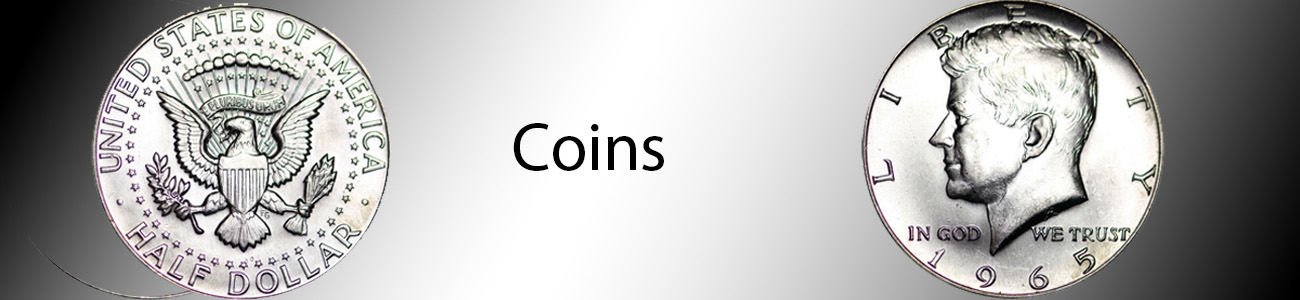
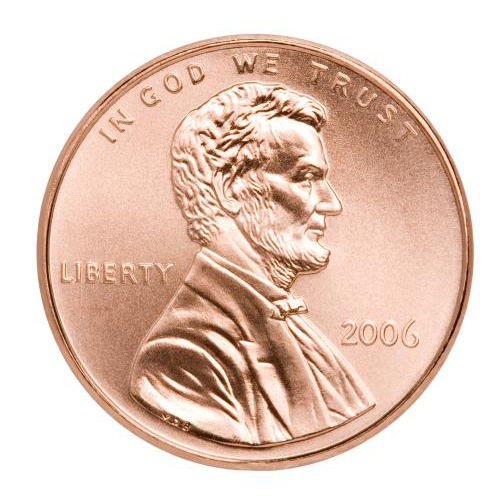
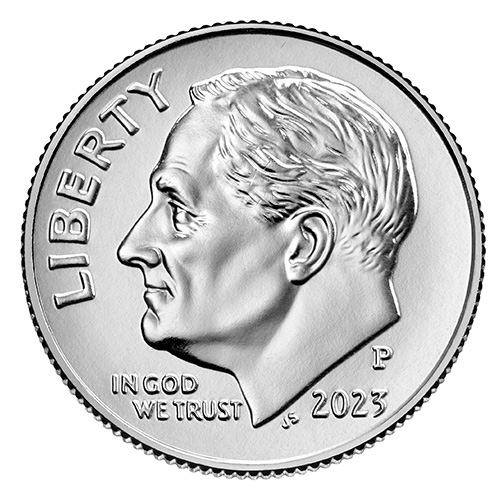
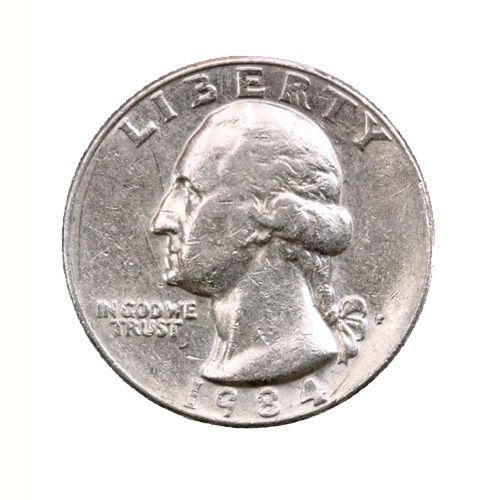
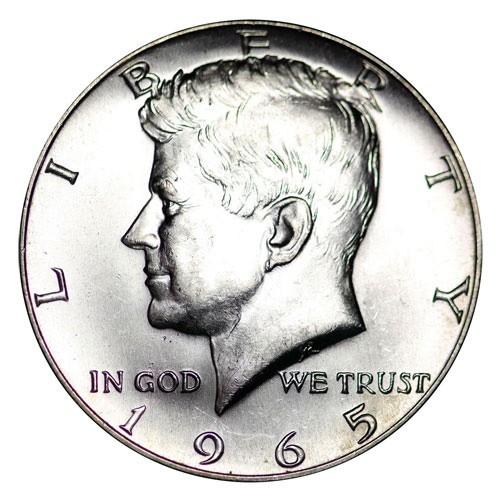
Coins have been a fundamental part of human civilization for thousands of years, serving as both practical tools of commerce and symbolic artifacts of culture. Unlike paper money, coins are tangible, durable, and often intricately designed, making them not only instruments of trade but also miniature works of art. Their origins trace back to ancient Lydia around 600 BCE, where the first standardized metal coins were struck from electrum, a naturally occurring alloy of gold and silver. From that point forward, coins spread rapidly across the ancient world, becoming essential to economies in Greece, Rome, China, and beyond. The significance of coins lies not only in their monetary function but also in their ability to convey identity and authority. Rulers and governments have long used coins to project power, legitimacy, and cultural values. The images stamped on coins—whether portraits of emperors, national symbols, or commemorative designs—serve as messages carried into the hands of millions. In this way, coins are both economic instruments and political statements, reflecting the priorities and values of the societies that produce them. Coins also embody technological progress. The methods of minting have evolved from crude hammering to precise machine striking, allowing for consistency and mass production. Modern coins are engineered with specific alloys to balance durability, cost, and resistance to counterfeiting. Their edges, weights, and metallic compositions are carefully regulated to ensure trust in the currency system. Even as digital transactions grow, coins remain indispensable for small exchanges, vending machines, and symbolic uses such as ceremonial gifts or commemorative issues. Beyond their practical role, coins are deeply tied to culture and memory. Collectors, historians, and everyday people often see coins as windows into the past. A single coin can reveal information about trade routes, artistic styles, political regimes, and economic conditions. For example, Roman coins provide insights into the succession of emperors, while medieval coins reflect the spread of Christianity and feudal authority. In modern times, coins continue to commemorate events, honor leaders, and celebrate national achievements. Coins also carry a psychological weight. Their tactile nature makes them feel more “real” than digital money, and their jingling sound or metallic shine can evoke nostalgia. Children often encounter coins as their first introduction to money, learning the basics of value and exchange through pennies, nickels, dimes, and quarters. For adults, coins can symbolize thrift, tradition, or even luck, as seen in customs like tossing a coin into a fountain or carrying a lucky coin for good fortune. In essence, coins are more than currency. They are artifacts of history, symbols of identity, and everyday tools that connect people across generations. Whether ancient or modern, common or rare, coins tell stories that extend far beyond their monetary value, reminding us that even the smallest objects can carry immense meaning. |
|---|