Coins
|
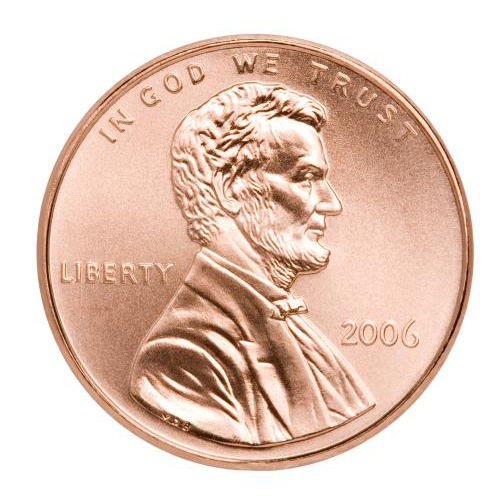
Producing a penny is a highly regulated process carried out by the United States Mint, primarily at facilities in Philadelphia and Denver. Each penny begins as a blank disc, called a “planchet,” made of 97.5% zinc with a 2.5% copper plating. This composition was adopted in 1982 to reduce costs, since pure copper had become too expensive. The production process involves several steps:
For decades, the penny was produced in enormous quantities—billions each year—to meet demand for small transactions. However, the cost of production steadily rose. By 2025, it cost 3.69 cents to make a single penny, far exceeding its face value of one cent. This imbalance, combined with declining use of cash, led the U.S. Treasury to end penny production on November 12, 2025, marking the conclusion of a 232‑year tradition. Although no new pennies are being minted, existing ones remain legal tender and will continue to circulate until they naturally phase out. Collectors and everyday savers alike now view pennies as both currency and historical artifacts, representing the smallest denomination of U.S. money and a symbol of thrift. |
|---|