Coins
|
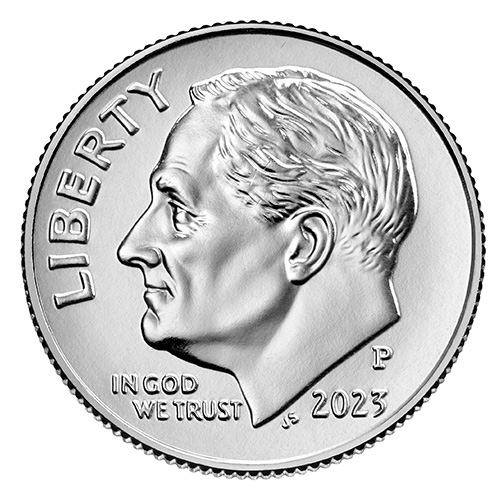
The dime’s story begins with the Coinage Act of 1792, which established the U.S. Mint and authorized a ten‑cent coin. The first dimes were struck in 1796, known as the Draped Bust dimes, featuring Liberty on the obverse and an eagle on the reverse. These early coins were made of silver, reflecting the young nation’s reliance on precious metals to back its currency. From 1809 to 1837, the Capped Bust dime was introduced. Liberty’s portrait was updated with a cloth cap, while the reverse showed an eagle perched on a branch with arrows in its talons. This design emphasized strength and independence, aligning with the growing confidence of the United States during the early 19th century. The Seated Liberty dime (1837–1891) followed, depicting Liberty seated with a shield and holding a staff. This design lasted more than 50 years, making it one of the longest‑running coin designs in U.S. history. It symbolized vigilance and freedom during a period of rapid expansion and conflict. In 1892, the Barber dime, designed by Charles E. Barber, replaced Seated Liberty. It showed Liberty wearing a laurel wreath, a classical symbol of victory. The Barber dime circulated until 1916, when it was succeeded by the Winged Liberty Head dime, better known as the Mercury dime. The Mercury dime (1916–1945) is considered one of the most beautiful coins ever minted, with Liberty wearing a winged cap symbolizing freedom of thought. Its reverse featured a fasces and olive branch, representing unity and peace. The current design, the Roosevelt dime, was introduced in 1946 to honor President Franklin D. Roosevelt, who had died the previous year. Roosevelt was chosen not only for his leadership during the Great Depression and World War II but also for his association with the March of Dimes, a campaign to fight polio. The obverse shows Roosevelt’s profile, while the reverse features a torch flanked by an olive branch and an oak branch, symbolizing liberty, peace, and strength. The dime’s composition also changed over time. Originally struck in silver, dimes shifted to a copper‑nickel clad composition in 1965 due to rising silver prices. This change ensured the coin could continue circulating without being hoarded for its metal value. Today, the dime remains the smallest U.S. coin in diameter and thickness, yet it carries a rich legacy. Its designs reflect the nation’s evolving identity, from classical symbols of liberty to modern tributes to leadership and resilience. |
|---|