Coins
|
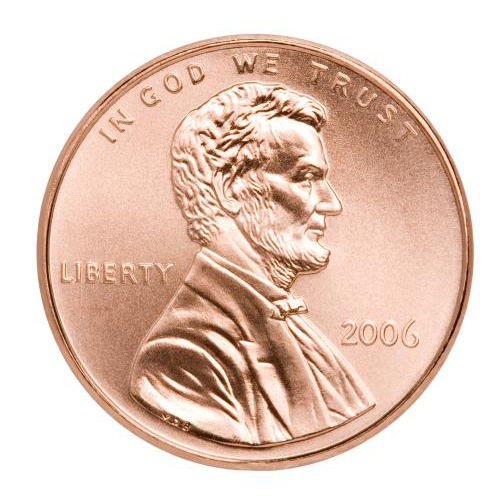
The penny, or one‑cent coin, is the smallest denomination of U.S. currency. Its face value is exactly 1¢, which equals 0.01 USD. This value is fixed by law and has remained unchanged since the coin was first introduced in 1793. Regardless of changes in design, composition, or production methods, the penny’s official worth in circulation is always one cent. It is important to distinguish between face value and production cost. The face value is what the coin represents in the economy—its legal worth in transactions. The production cost, on the other hand, refers to how much it takes the U.S. Mint to manufacture and distribute the coin. While the penny’s face value is 1¢, its production cost has often been higher, leading to debates about whether the coin should continue to be minted. In everyday use, the penny’s one‑cent value plays a practical role in ensuring exact pricing and change. Even though inflation has reduced its purchasing power, the penny remains a necessary unit for transactions that require precision. For example, items priced at $1.99 or $2.05 rely on pennies to complete the exchange accurately. The penny’s one‑cent value also carries symbolic weight. It represents thrift, patience, and the idea that small amounts can accumulate into something greater. Phrases like “a penny saved is a penny earned” highlight this cultural meaning. Despite its low monetary worth, the penny continues to be produced in massive quantities and remains a fixture of American currency. |
|---|