Countries of the World: Afghanistan Argentina Australia Belgium Brazil Canada Chile China Colombia Democratic Republic of the Congo Denmark Egypt Ethiopia Finland France Germany
Viking Age and Medieval Kingdom
The Swedish people (Svear) were prominent during the Viking Age (c. 800–1050 CE), engaging in trade, raids, and exploration, primarily eastward towards Russia and the Byzantine Empire. The consolidation of Sweden into a single kingdom likely occurred around the 11th century, with Christianity gradually spreading throughout the realm during this time. The early medieval period saw the strengthening of the monarchy and the establishment of Stockholm as a major city.
The Kalmar Union and Independence
In the late 14th century, Sweden, Norway, and Denmark were united under the Kalmar Union (1397), a personal union under a single monarch that was dominated by Denmark. Swedish dissatisfaction with Danish rule eventually led to a rebellion. In 1523, Gustav Vasa drove out the Danes, was elected king, and formally established Sweden as a sovereign nation-state. He also initiated the Reformation, moving Sweden from Catholicism to Lutheranism.
The Swedish Empire and Great Power Status
In the 17th century, Sweden rose to become a major European military power, an era known as the Swedish Empire or Great Power Period (Stormaktstiden). Under kings like Gustavus Adolphus, Sweden participated in the Thirty Years' War, acquiring significant territories around the Baltic Sea (including parts of modern Finland, Germany, and the Baltic states). This status waned after military defeats in the early 18th century during the Great Northern War against Russia.
Peace, Neutrality, and Social Democracy
After the Napoleonic Wars, Sweden was forced to cede Finland to Russia but entered a personal union with Norway (which lasted until 1905). Crucially, after 1814, Sweden did not participate in any wars, adopting a policy of neutrality that has largely persisted to this day.
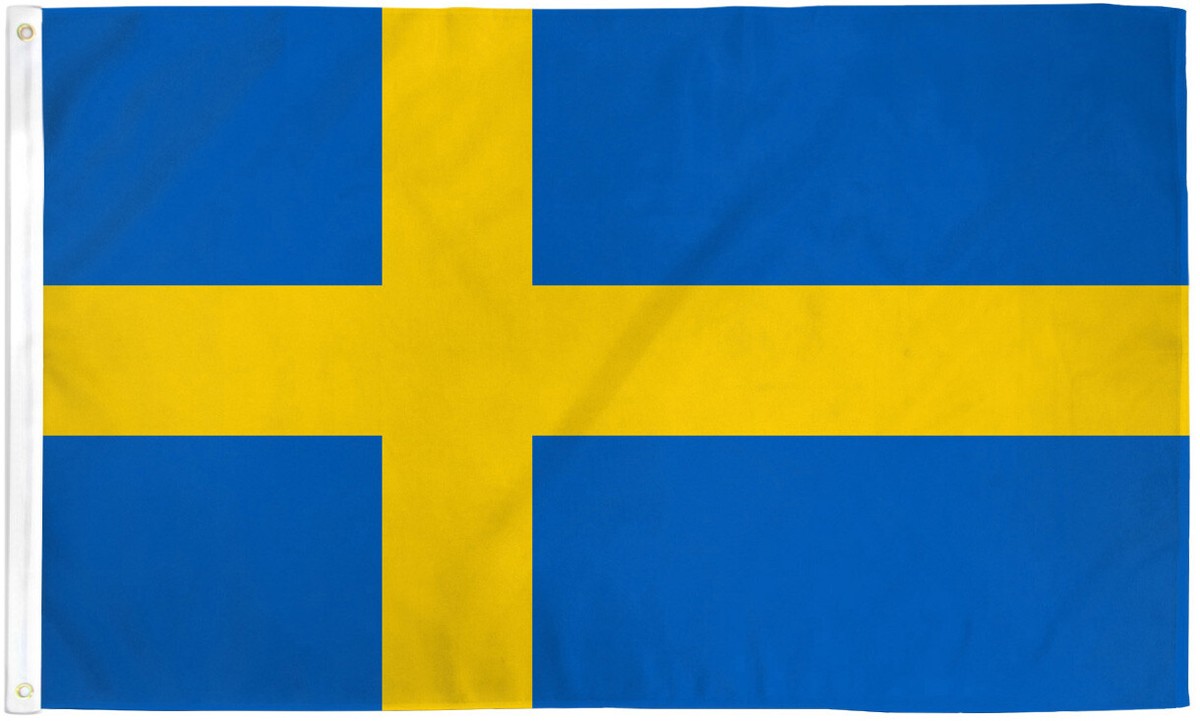
Today, Sweden is a stable constitutional monarchy, a leading member of the European Union (though it retains its own currency), and a global leader in technology, sustainability, and international diplomacy. |
 |