Ancient Egypt (c. 3100–30 BCE)
Ancient Egyptian history is typically divided into stable kingdoms and periods of disunity known as intermediate periods. The civilization was centered around the Nile River, whose predictable annual flooding provided fertile soil for agriculture, supporting a dense population.
- Early Dynastic Period and Old Kingdom (c. 3100–2181 BCE): The unification of Upper and Lower Egypt by King Narmer (Menes) around 3100 BCE marks the beginning of the dynastic era. The Old Kingdom is known as the "Age of the Pyramids" due to the construction of great monuments like the Pyramids of Giza and the Great Sphinx during the Third and Fourth Dynasties. The pharaoh was considered a living god, and a strong central government organized massive building projects.
- First Intermediate Period and Middle Kingdom (c. 2181–1630 BCE): The Old Kingdom collapsed due to internal struggles and environmental factors (low Nile floods), leading to the First Intermediate Period of political upheaval. Unity was restored with the Middle Kingdom, a period of renewed prosperity, strong centralized government, and great works of literature and art.
- Second Intermediate Period and New Kingdom (c. 1630–1075 BCE): A second period of disunity saw the arrival of the Hyksos, a foreign ruling dynasty from Western Asia who took control of Lower Egypt. They were eventually expelled by Ahmose I, ushering in the New Kingdom, the golden age of Egyptian power and territorial expansion, reaching as far as Syria and Nubia. This era featured famous pharaohs such as Hatshepsut, Thutmose III, Akhenaten, Tutankhamun, and Ramesses II, who ratified the world's first known peace treaty with the Hittites.
Foreign Domination and Transition
Following the New Kingdom, Egypt entered a long period of slow decline and foreign domination.
- Late Period (c. 664–332 BCE): Egypt was conquered successively by the Assyrians and the Achaemenid Persian Empire.
- Greek and Roman Rule (c. 332 BCE–642 CE): Alexander the Great conquered Egypt in 332 BCE and founded Alexandria. After his death, his general Ptolemy established the Ptolemaic Dynasty, which ruled for nearly 300 years, with Cleopatra VII as its last queen. After Cleopatra's defeat at the Battle of Actium in 31 BCE, Egypt became a Roman province and the "breadbasket" of the Roman Empire.
Medieval and Modern Eras
- Islamic Rule (642 CE–1517): In 642 CE, Muslim Arab warriors conquered Egypt, bringing an end to the Greco-Roman period and leading to the founding of modern Cairo as the capital.
- Ottoman and British Control (1517–1952): Egypt was absorbed into the Ottoman Empire in 1517. In the late 19th century, Britain established control, primarily to secure the Suez Canal. Egypt gained formal independence in 1922, though British influence remained significant for decades.
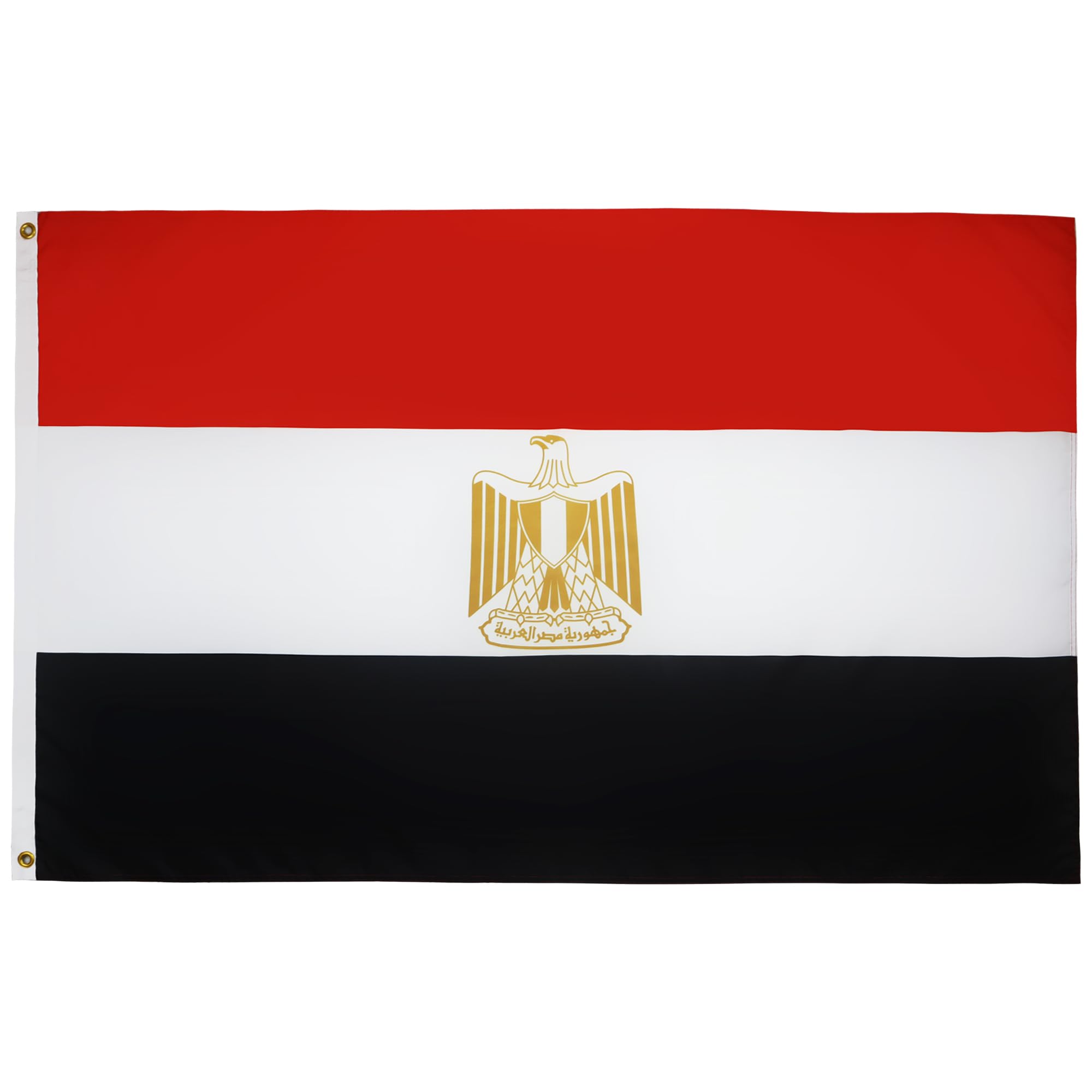
- Republic of Egypt (1953–Present): A military coup in 1952 overthrew the monarchy, and Egypt was declared a republic in 1953. Key modern leaders include Gamal Abdel Nasser, Anwar al-Sadat, and Hosni Mubarak. Current president Abdel Fattah el-Sisi has been in power since 2014.
|
 |