Countries of the World: Afghanistan Argentina Australia Belgium Brazil Canada Chile China Colombia Democratic Republic of the Congo Denmark Egypt Ethiopia Finland France Germany
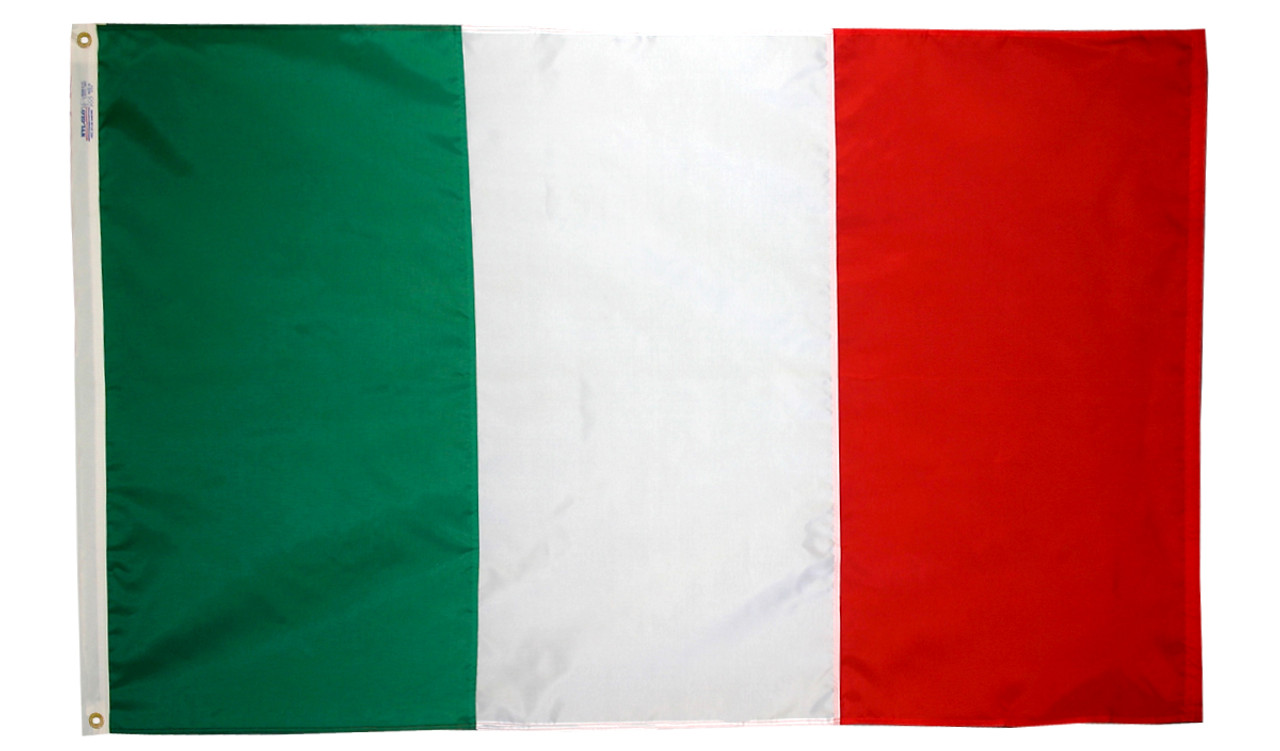
The history of
spans from antiquity to the modern day and is characterized by two main periods of unity: the Roman Empire and the modern democratic republic formed after World War II. The long intervening period featured political fragmentation, foreign domination, and significant cultural flourishing, most notably the Renaissance.
Ancient Italy and the Rise of Rome
The Italian peninsula has been inhabited since the Paleolithic era. Before the rise of Rome, various Italic peoples, Etruscans, and Greek colonists (in Magna Graecia in the south) lived there. Ancient Rome, traditionally founded in 753 BCE, grew from a kingdom to a republic, gradually unifying the peninsula through a series of wars. The Punic Wars against Carthage cemented Rome's dominance over the Mediterranean by the 2nd century BCE. The Roman Republic eventually transitioned into the Roman Empire with Augustus as its first emperor in 27 BCE, ushering in a long period of peace and prosperity known as the Pax Romana.
The Middle Ages: Fragmentation and Division
The Western Roman Empire fell in 476 CE. The peninsula lost its unity for centuries, becoming a patchwork of different states, subject to invasions and shifting control by groups like the Ostrogoths, Lombards, and Byzantines.
The Renaissance
Beginning around the 14th century, the Italian city-states, particularly
, became the epicenter of the Renaissance, a period of extraordinary cultural, artistic, and intellectual achievement. This era, supported by wealthy patrons like the Medici family, saw a revival of classical learning and the emergence of humanism. Key figures included artists and thinkers such as Leonardo da Vinci, Michelangelo, and Dante.
Unification (Risorgimento)
After centuries of fragmentation and foreign domination (by powers like the Habsburgs and Bourbons), the idea of a united Italy gained momentum in the 19th century. The Risorgimento (Resurgence) movement, led by figures such as Giuseppe Mazzini, Camillo Cavour, and Giuseppe Garibaldi, worked to unify the peninsula.
Modern Italy
|
 |