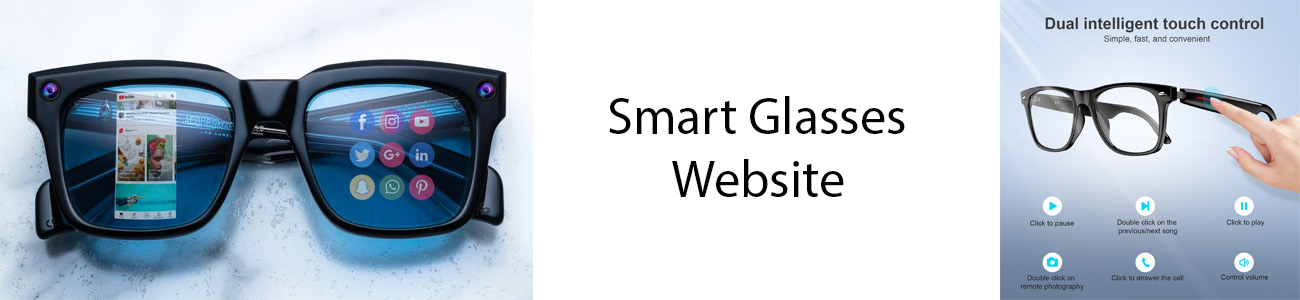
Video on smart glasses typically refers to two distinct functions: capture (recording your surroundings) and playback (watching a movie or video call). For capture, models like the
utilize an ultra-wide 12MP camera lens embedded in the frame to record point-of-view (POV) video in resolutions up to 3K at 30 frames per second. This footage is processed by internal chips, stabilized to mimic natural head movement, and stored on the device's internal memory (often 32GB) before being synced to a companion app on your smartphone via Wi-Fi or Bluetooth. To address privacy, a front-facing LED indicator is usually hardwired to the camera circuit, lighting up whenever recording is active to alert those nearby.
For video playback, smart glasses function like a "wearable monitor." High-end models like the
or
use Micro-OLED panels to project high-definition images (often 1080p) onto semi-transparent lenses. These images are reflected through a series of prisms or "waveguides" into your eye, making the video appear as a massive virtual screen—sometimes perceived as up to 330 inches—floating several feet in front of you. Because the glasses typically lack a heavy internal battery to stay lightweight, they often connect via a USB-C cable to your phone, laptop, or gaming console, drawing power and video data directly from the host device.
|