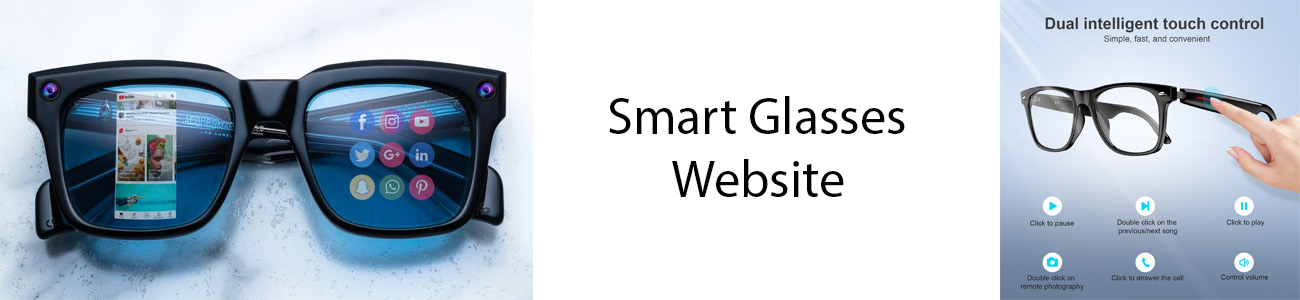
Smart glasses typically follow the standard sizing system used for traditional eyewear, measured in millimeters (mm) across three key areas: lens width (eye size), bridge width (the gap over your nose), and temple length (the length of the arms). For instance, a size like 50-20-150 indicates a 50mm lens width, a 20mm bridge, and 150mm temples. Because smart glasses contain bulky components like batteries and speakers, they often have "chunky" frames compared to standard glasses, making the overall frame width (the distance from hinge to hinge) a critical measurement for a comfortable fit without pinching.
While many brands offer a single "universal" size, major manufacturers like Meta and Ray-Ban now provide multiple options, such as Standard and Large (sometimes referred to as Regular and XL).
- Standard fits generally suit face widths between 130mm and 133mm.
- Large fits are recommended for face widths exceeding 130mm–140mm to prevent the stiff plastic frames from causing discomfort after extended use.
- Bridge options are also common, including "High Bridge" for those with a bridge above their pupils and "Low Bridge" for lower nose bridges and higher cheekbones.