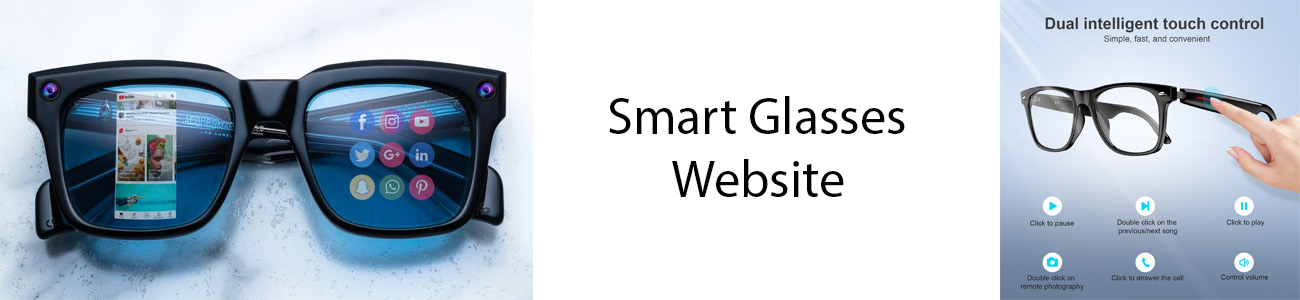
AI in smart glasses acts as a hands-free personal assistant that uses "multimodal" capabilities to process what you see and hear in real time. Unlike standard smart glasses that just act as Bluetooth headphones, AI-integrated models like the
use built-in cameras and microphones to gather "contextual" data from your surroundings. For example, you can look at a landmark or a menu in a foreign language and ask, "Hey Meta, what am I looking at?" or "Translate this for me," and the AI will analyze the visual and audio signals together to give you an answer through the frame's speakers.
Ray-Ban Meta
This intelligence is typically powered by a hybrid system where simple tasks are processed directly on the glasses (on-device) for speed, while more complex requests are sent to powerful cloud servers via your smartphone. Advanced models are now incorporating features like live language translation, where you can see translated subtitles projected onto your lens or hear them in your ear during a conversation. Other AI-driven functions include object recognition for identifying products or plants, GPS navigation that overlays directions in your field of view, and even AI-powered health monitoring that can track metrics like your heart rate or posture.