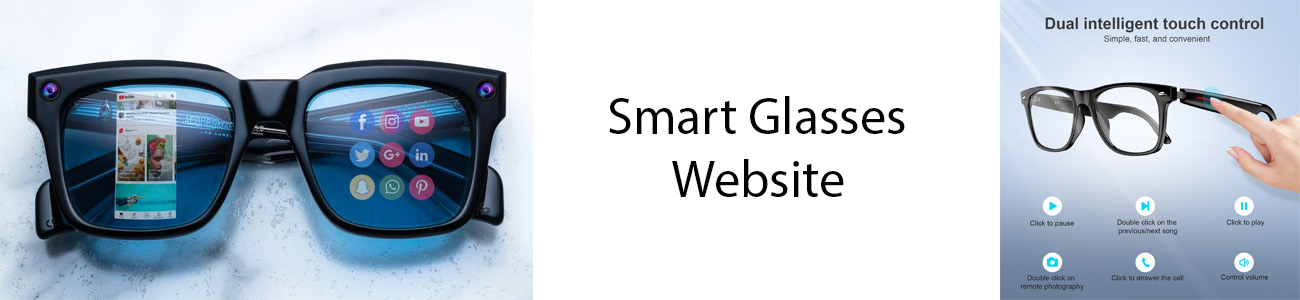
Translation in smart glasses works by using built-in microphones to capture spoken language and processing it through AI to provide real-time results via audio or a visual display. High-fidelity microphone arrays use noise-cancellation to isolate a speaker's voice, which is then converted to text using Automatic Speech Recognition (ASR). This text is translated by Neural Machine Translation (NMT) models, often processed in the cloud via a smartphone connection for high accuracy, or locally on the device for faster, offline use if language packs are pre-downloaded.
The translated information is typically delivered in one of two ways:
- Visual Subtitles (HUD): Glasses like the
orEven G2project translated text directly onto the lens, allowing you to read "subtitles" while maintaining eye contact.RayNeo X3 Pro
- Audio Feedback: Models such as the
whisper translated speech into your ear through open-ear speakers, creating a natural conversational flow.Ray-Ban Meta
Beyond spoken dialogue, many smart glasses can also translate written text, such as menus or street signs, by using their integrated cameras and Optical Character Recognition (OCR) to identify and translate the visual information into your chosen language.