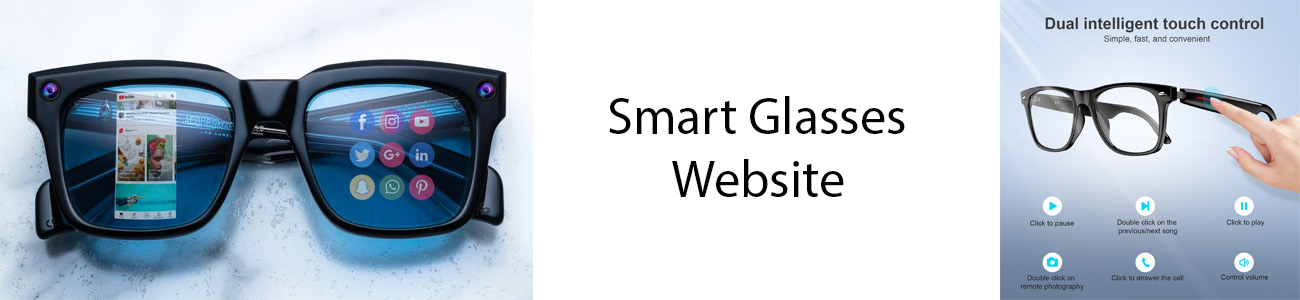
The Heads-Up Display (HUD) in smart glasses is a transparent interface that overlays digital information onto your real-world view, allowing you to see data without looking away from your surroundings. In most modern pairs, this is achieved using a micro-projector (often Micro-OLED or Micro-LED) tucked into the frame that beams light onto a "waveguide" inside the lens. This waveguide acts as a light pipe, directing the image toward your eye so it appears to float in the air, usually positioned in your peripheral vision or a corner of your eye so it isn't distracting during normal activities.
HUDs are typically categorized by their primary function:
- Text-First Overlays: Models like the
prioritize legibility for daily tasks, showing "glanceable" info like live captions, turn-by-turn navigation arrows, or meeting notes in a high-contrast monochromatic view.Even G2
- Full-Color Monocular Displays: The
features a vivid 600x600 screen in the right lens for previewing photos, reading full text messages, and even viewing video calls.Meta Ray-Ban Display
- Virtual Screens: More immersive glasses like the
orXREAL One Profunction more like a "personal monitor," projecting a massive, high-definition screen for watching movies or gaming as if you were in a private theater.VITURE Luma