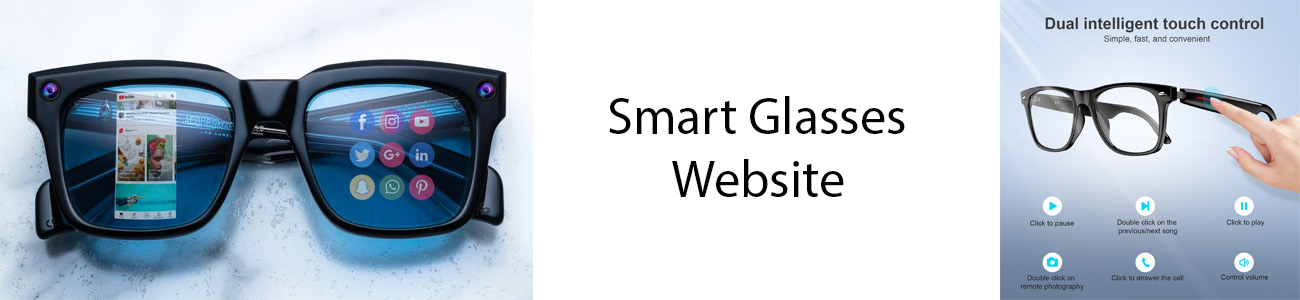
Audio in smart glasses is delivered primarily through open-ear directional speakers or bone conduction technology, both of which keep your ear canals completely unobstructed so you can stay aware of your surroundings. Most modern models, such as the
, use tiny, high-fidelity speakers embedded in the temple arms that "beam" sound directly into your ears. This creates a private "audio bubble" where you can hear music and calls clearly, while advanced wave-guiding techniques and destructive interference minimize "audio bleed" so people standing near you hear very little.
Ray-Ban Meta
For voice interaction, these glasses utilize sophisticated microphone arrays—often featuring five or more microphones—that use beamforming technology to isolate your voice from background noise. This ensures that the AI assistant can hear your commands and your phone calls remain crisp even in windy or crowded environments. Some high-end glasses also support spatial audio, which uses built-in motion sensors (gyroscopes and accelerometers) to track your head movement. This allows the sound to stay "anchored" in 3D space; for example, during navigation, a turn-by-turn voice cue might sound as if it’s coming specifically from the street corner where you need to turn.