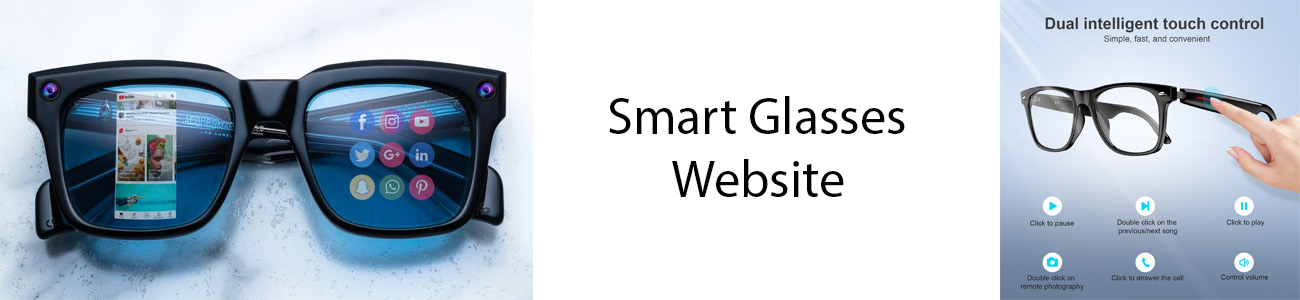
Smart glasses are wearable computers built into the frames of traditional eyewear that blend digital information with the physical world. At a glance, they often look like standard sunglasses or prescription glasses, but they discreetly house advanced technology such as tiny speakers, microphones, and cameras. Depending on the model, they may also include a small, transparent display—often called a "heads-up display" (HUD)—that projects information like text messages, navigation cues, or AI-generated translations directly into your field of view.
These devices typically connect to a smartphone via Bluetooth to act as a hands-free extension of your mobile apps. For instance, audio-focused models like the
allow you to listen to music, answer calls, and interact with AI assistants without needing earbuds. More advanced Augmented Reality (AR) glasses can overlay digital objects onto your surroundings or provide helpful tools like real-time closed captioning for the hearing impaired. By moving computing from a handheld screen to your line of sight, smart glasses aim to let you stay more present in your environment while remaining digitally connected.
Ray-Ban Meta (SECRET LINK!?)