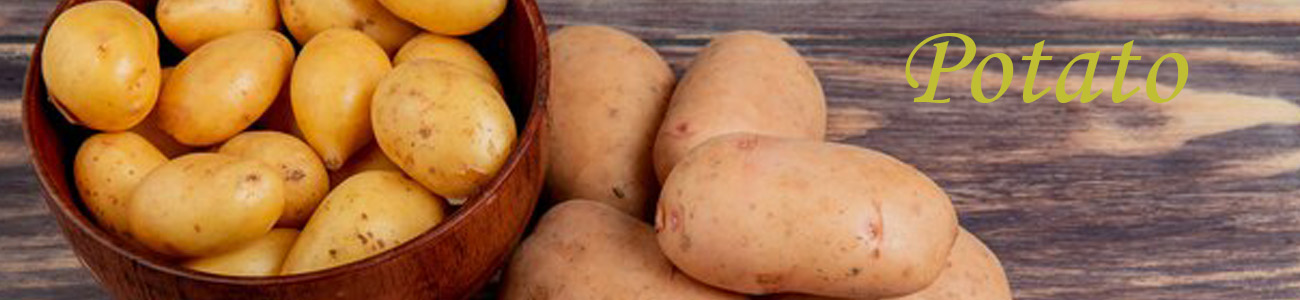
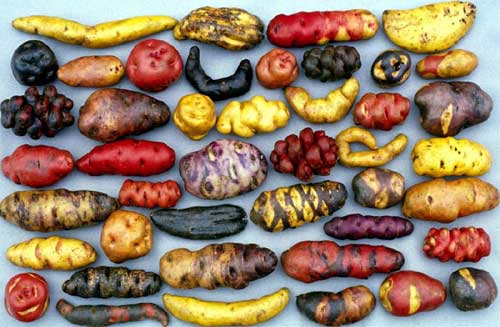
The history of the potato began in the Andean region of South America, where it was first domesticated by indigenous peoples 7,000 to 10,000 years ago. Spanish conquistadors introduced potatoes to Europe in the 1500s, but they were initially met with suspicion and were slow to gain acceptance. Over time, the potato became a staple food in many parts of the world, especially in Europe, becoming a crucial food source that fueled population growth before the devastating Irish Potato Famine in the 1840s due to a disease called late blight. Andean origins Domestication: Indigenous peoples of the Andes mountains, such as the Inca, domesticated wild potatoes starting around 8000 to 5000 B.C.. Cultural importance: Potatoes were a dietary staple and even used in religious ceremonies. The Inca developed freeze-dried potatoes (chuño) to store them for long periods, providing a reliable food source. Diversity: The diverse climate of the Andes allowed for an astonishing variety of potato species and landraces to be cultivated. Introduction to Europe Spanish introduction: Spanish conquistadors encountered potatoes after their conquest of the Inca Empire in the 1530s and brought them back to Europe. Initial rejection: European farmers were hesitant to grow the unfamiliar tuber, which was believed by some to be poisonous or only fit for peasants. Gradual acceptance: The potato slowly gained favor, especially after figures like Frederick the Great of Prussia encouraged its cultivation, and aristocrats like Marie Antoinette popularized its blossoms to boost public interest. Global staple and challenges Population growth: The potato's ability to grow in various climates and provide a calorie-dense food source made it a staple in Europe, supporting significant population growth. Irish Potato Famine: The reliance on a single crop in Ireland led to disaster when a potato disease called late blight struck in the 1840s. The resulting famine caused over one million deaths and spurred mass immigration. Modern importance: Today, the potato is one of the world's most important crops, cultivated in many countries and forming a key part of the global food supply. |
 |