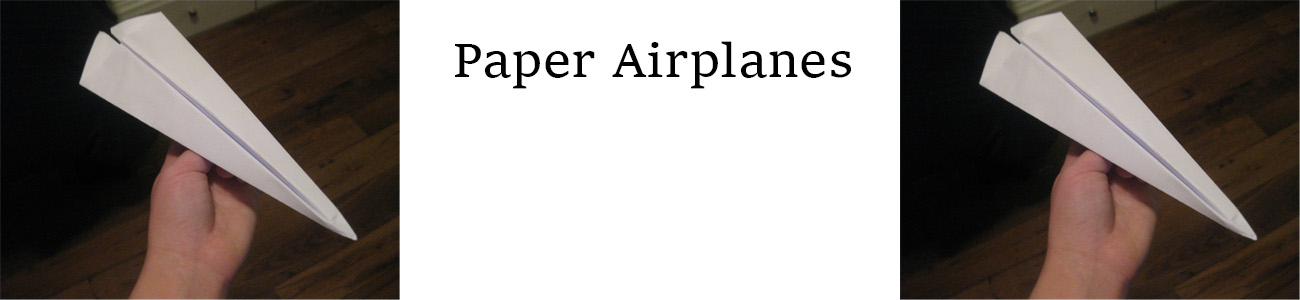
| The Silent Sonic is the kind of paper airplane that feels almost mysterious from the moment you start folding it, as if the design knows something you don’t yet understand. It begins with a shape that doesn’t look especially aggressive or flashy, but the more you crease and refine it, the more it becomes clear that this plane is built for smooth, whisper‑quiet speed. Its body ends up long and slightly compressed, with a nose that’s firm but not overly heavy, giving it just enough forward momentum to slice through the air without wobbling. The wings are narrower than those of a typical glider, angled in a way that channels airflow tightly along the body instead of letting it spill out in wide, lazy currents. When you run your fingers along the final folds, you can feel how the plane wants to stay sleek and aligned, every crease contributing to a kind of aerodynamic discipline. The Silent Sonic gets its name from the way it moves once it leaves your hand; instead of the faint flutter or rustle that most paper planes make, this one seems to slip forward with barely a sound, as if it’s cutting through a pocket of still air. It doesn’t need a dramatic throw—just a clean, level release—and then it accelerates in a way that feels almost unnatural for something made of paper. Its flight path tends to stay straight and low, hugging the air in a smooth line that makes it look faster than it actually is. Tiny adjustments to the wing tips can fine‑tune its behavior, but the plane resists dramatic tricks; it prefers precision over flair. Watching it fly is like watching a quiet arrow glide across a room, steady and controlled, with a kind of understated confidence. The Silent Sonic isn’t about showmanship or acrobatics—it’s about the elegance of motion, the satisfaction of seeing a plane do exactly what it was built to do without drawing attention to itself. It’s the kind of design that rewards careful folding and rewards even more the moment you see it glide forward in that soft, silent streak of motion. |