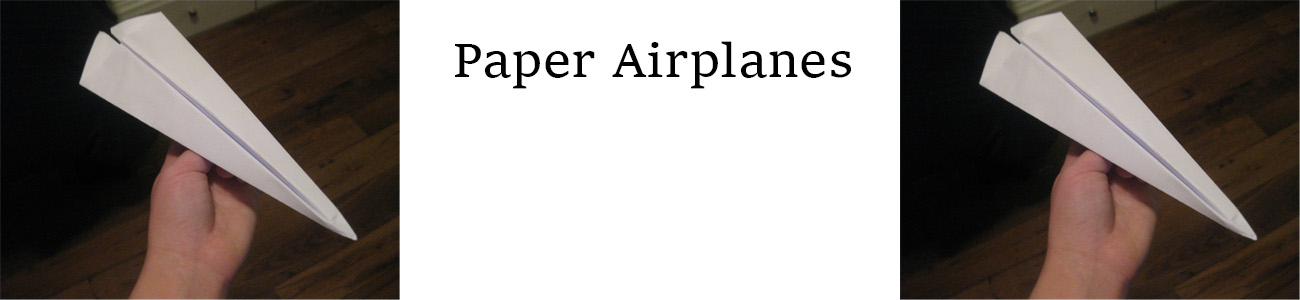
| The long‑range glider is one of those paper airplane styles that looks deceptively simple at first glance, yet reveals its personality only after you’ve folded it with care and watched it take its first slow, confident sweep through the air. It begins with an ordinary sheet of paper, but the way the folds shape its broad wings and gently tapered body gives it a calm, almost patient kind of flight. When you start folding it, the first creases feel familiar, but the moment you widen the wings and flatten the body, you can sense that this plane isn’t meant for speed or sharp turns. It’s built for distance, for that satisfying moment when it leaves your hand and seems to float rather than fly. The nose ends up slightly heavier than the rest of the plane, not because of any added weight but because the layers of paper concentrate there, giving it the momentum it needs to push forward without dipping too quickly. The wings stretch out wider than most designs, and when you run your fingers along the edges to sharpen the creases, you can feel how the plane is meant to catch the air rather than slice through it. The final fold, the one that creates the wings themselves, is where the glider’s character really emerges; if the angle is too steep, it will stall, and if it’s too shallow, it will drop too soon. But when the balance is right, the plane becomes something graceful, almost serene. You can tilt the wing tips upward just a little, a subtle adjustment that helps it stay level and resist the urge to dive. Once it’s finished, the glider doesn’t demand a powerful throw. A gentle, level release is enough to send it drifting forward, tracing a long, smooth arc that feels almost effortless. Watching it glide is a reminder that not all flight is about speed or height; sometimes the quiet, steady journey across a room or a field is more satisfying than any dramatic stunt. This style of plane rewards patience and precision, both in the folding and in the throwing, and once you’ve built one that flies well, it’s hard not to make another just to see if you can coax an even longer, softer glide from a simple sheet of paper. |