Topics Covered in this Course
- Mental, Emotional, and Social Health:
Covers stress management, self-esteem, and healthy relationships. Under state law, districts must include comprehensive mental health education
, covering the signs, symptoms, treatments, and destigmatization of serious conditions like depression, anxiety, PTSD, and eating disorders.
- Alcohol, Tobacco, and Other Drugs:
Focuses on the physiological and social effects of substance abuse. This section emphasizes preventative decision-making and heavily highlights modern public health concerns, such as the dangers of vaping and fentanyl use.
- Nutrition and Physical Activity:
Teaches students how to design balanced dietary plans, understand nutritional labels, map out fitness goals, and balance physical wellness with academic demands.
- Injury Prevention and Safety:
Includes personal safety, digital safety, accident prevention, emergency preparedness, and specialized topics like organ donation awareness and sex trafficking prevention education.
- Personal and Community Health:
Explores how environmental factors impact human wellness, how to prevent disease transmission, and the broader social determinants of health within a community.
- Growth, Development, and Sexual Health:
Governed strictly by the California Healthy Youth Act (CHYA)
. It mandates comprehensive sexual health and HIV prevention education at least once in high school. The material must be medically accurate, objective, and fully LGBTQ+-inclusive.
|
2026 Fall Semester Assignments, Help, and Information
Week 11
Injury Prevention and Safety |
Day 24- Monday October 19- Injury Prevention and Safety
============
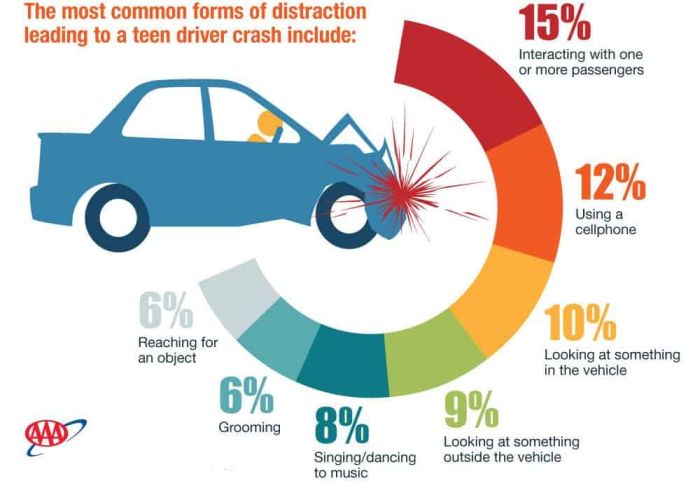
Motor vehicle crashes remain a leading cause of death and injury for teenagers in the United States.
Per mile driven, drivers ages 16 to 19 have crash rates approximately four times greater
than drivers aged 20 and older, with the highest fatal risk concentrated among 16 and 17-year-olds. National research shows that the vast majority of these incidents are entirely preventable and stem from a few specific, critical driving errors.
- According to the Insurance Information Institute, 2,148 drivers
aged 15 to 20 died in traffic crashes in 2023.
- Young drivers (ages 15–20) made up only 5%
of all licensed drivers in 2023, yet they accounted for 8.9%
of all drivers involved in fatal crashes.
- Passengers:
A 16- or 17-year-old driver's risk of death per mile driven increases by 44% with one young passenger, doubles with two, and quadruples with three or more
- Speeding & Error:
Excessive speed is a factor in roughly a third of teen fatal crashes, and about 75% of serious teen crashes stem from critical errors like lack of hazard scanning, going too fast, and distractions.
- Night/Summer Driving:
Over half of teen traffic fatalities occur between 6:00 p.m. and 3:00 a.m., and the period between Memorial Day and Labor Day—known as the "100 deadliest days of summer"—sees a 30% increase in teen fatal crashes
- Research shows that reading or sending a text takes a driver's eyes off the road for an average of 4.6 seconds
. At 55 mph, that is equivalent to driving the entire length of a football field completely blind
National Teen Driver Safety Week
runs from October 18–24, 2026
. This serves as an excellent reminder to address the primary risk factors and implement proven prevention strategies.
The 3 Critical Driving Errors
According to data compiled by the National Highway Traffic Safety Administration (NHTSA)
and the Children's Hospital of Philadelphia (CHOP)
, newly licensed teens most frequently make three fatal mistakes:
- Lack of Scanning:
Failing to properly look ahead, check mirrors, and detect or respond to surrounding hazards.
- Speeding:
Driving too fast for the specific road or weather conditions, rather than just breaking the posted speed limit.
- Distraction:
Allowing attention to drift to things inside or outside the vehicle
High-Risk Factors to Control
- Peer Passengers:
The risk of a fatal crash increases exponentially with every additional young passenger. Peers frequently distract the driver and encourage risky behaviors.
- Nighttime Driving:
The fatal crash rate for teens is three times higher at night than during the day. Night driving is typically recreational and often combines fatigue with limited visibility.
- Seat Belt Non-Use:
Historically, more than half of the teen passengers and drivers killed in recent crashes were unbuckled at the time of impact
Proven Prevention Strategies
1. Maximize Supervised Practice- Teens need a high volume and wide diversity of driving practice to properly sharpen their scanning skills. Parents should start by logging 5 to 10 hours in quiet, low-speed areas to master steering and lane placement before advancing to busier two-lane roads. Introduce complex environments like freeways, heavy traffic, and poor weather conditions gradually—and only after the teen displays consistent confidence. Keep early practice sessions to 30–45 minutes
to prevent stress and fatigue.
2. Enforce Household "Rules of the Road"- Establishing clear house rules curbs reckless behavior. Key restrictions should include:
- The Phone Belongs Away:
Mandate that teens activate the "Do Not Disturb" or driving mode on their phones to completely eliminate incoming notifications.
- Passenger Limits:
Restrict teenage passengers entirely for the first 6 to 12 months of independent driving.
- Night Curfews:
Limit unsupervised driving after dark until the teen has substantial daylight experience.
- Buckle Up Every Time:
The vehicle should never move until every single passenger in both the front and back seats is safely buckled.
3. Utilize Graduated Driver Licensing (GDL) Systems- Every U.S. state implements a Graduated Driver Licensing (GDL) system, which safely phases in driving privileges. GDL laws enforce longer supervised practice periods, restrict late-night driving, and minimize peer passengers. Research shows strict GDL systems correlate with an approximate 19% reduction in injury crashes
and a 21% reduction in fatal crashes
among 16-year-olds.
4. Create a Parent-Teen Driving Contract- Putting a formal, written agreement in place significantly reduces risky behaviors. The contract should clearly outline safe driving expectations (e.g., obeying speed limits, never driving under the influence) alongside clear consequences if those rules are broken. Parents can also look into safety monitoring apps that track sudden braking, speeding, and seat belt usage to reinforce accountability.
Video- Eight Seconds: One Fatal Distraction- 10min
============
Passenger Contact Activity- 5pts
- Solo Activity
- You may hand write or create using the computer
- Make a 5 Rule contract of behaviors that a passenger in your car must follow
- The 5 Rules need to add to the safety of you operating your car
- Your contract must include
- 5 Rules that a passenger will follow when riding in your car
- Inlude your name and infomrastion at the top of the contract
- Have an area at the bottom of the contract where your passenger can sign and date
- Due at the end of class today.
Day 25- Wednsday October 21- Injury Prevention and Safety
Apart from motor vehicle crashes, the leading causes of non-driving teen injuries and deaths involve firearms, sports overexertion, substance poisonings or overdoses, water mishaps, and wheeled sports.
============
Firearm Safety
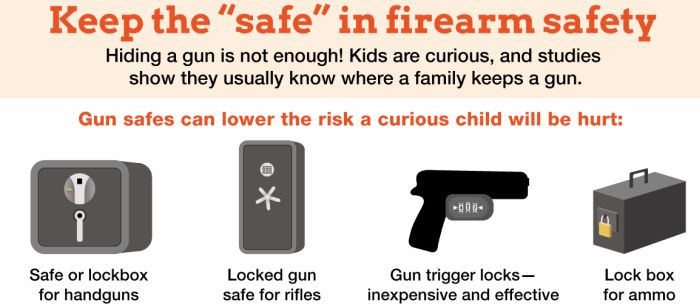
Firearms are in the top 5 cause of death for children and teens ages 1 to 19 in the United States each year. Effective teen firearm safety depends on secure storage at home, open communication, and knowing how to handle risky situations.
Safe Storage at Home
- Lock and unload:
Store all firearms unloaded, locked in a gun safe, lockbox, or cabinet, and secured with a child-resistant lock device. In car gun lock box.
- Separate ammunition:
Keep ammunition locked up in a completely separate location from the firearm.
- Check other homes:
Ask about gun storage in the homes you visit, just as you would ask about pool access or allergies. Resources like Project ChildSafe
offer guides on safe storage and limiting lethal means.
- Always assume a gun is loaded:
Never treat a firearm like a toy, and never point a gun at anyone, even if you think it is unloaded.
- Leave unsecured situations:
If you see an unsecured or unattended gun, stay away from it immediately. Have a exit strategy or a pre-arranged text phrase (such as "My mom just texted that I need to come home right away"
) to leave a location safely.
- Report weapons:
If someone brings a gun to school or a public place, get away quickly and quietly, and tell a trusted adult (teacher, parent, or coach) or call 911 right away.
- Separate media from reality:
Understand gun behavior in video games, movies, and social media is not realistic or safe.
Mental Health and Suicide Prevention
- Limit lethal means:
Over one-third of adolescents in firearm-owning households can access a loaded gun within 5 minutes. Locking up firearms significantly lowers the risk of youth suicide and accidental injuries.
- Seek support:
Watch for warning signs of depression, anxiety, or self-harm. Connect teens immediately with a mental health professional, school counselor, or crisis hotline if they express thoughts of hurting themselves
Video- Parents Talking with Their Kids About Gun Safety - NSSF & Project ChildSafe- 5min
============
Organized Sports & Overuse Injuries
The most common non-fatal physical injuries in teens are musculoskeletal strains, sprains, fractures, and concussions.
- Avoid Early Specialization:
Playing only one sport year-round drastically elevates the risk of chronic bone stress injuries and tendonitis. Encourage cross-training or multiple sports.
- Mandatory Rest:
Ensure the teen takes at least one day off per week
and one month off per year from any single sport to allow the body to recover.
- Enforce Technique & Gear:
Ensure proper dynamic warmups and the strict use of well-fitting protective padding, mouthguards, or helmets specific to the sport
Activity- 5pts
- Firearm Safety Checklist
- Use Checklist Template on counter in the back
- Place name and period on back of checklist
- Hand to Coach B when finished.
Day 26- Friday October 23- Injury Prevention and Safety
Water Safety
While younger children face the highest risk of drowning in home pools, teens rank second highest of any age group for fatal drowning rates, largely driven by an overestimation of skills, peer pressure, and open-water hazards
. Confident swimming skills do not make a teenager immune to the unique dangers of lakes, rivers, and oceans, where the majority of adolescent water fatalities occur.
Why Drowning Risks Increase for Teens
- The Open-Water Shift:
Unlike structured pool environments, natural bodies of water present unpredictable hazards like strong undercurrents, rip tides, sudden drop-offs, and poor visibility.
- Overconfidence & Brain Development:
The adolescent brain is naturally wired for risk-taking and impulse control is still developing. Confident teens often believe they can handle dangerous conditions or swim further than their actual energy levels allow.
- The Danger of Substance Use:
Alcohol and drug use are involved in up to half of all teen water-related deaths. Alcohol severely impairs judgment, physical coordination, balance, and swimming skills while accelerating hypothermia.
- Silent Emergencies:
Most teen drownings happen when adult supervision is absent. Even strong swimmers can experience sudden muscle cramps, exhaustion, or cold-water shock, making it impossible to call for help
Essential Water Safety Rules for Teens
- Enforce the Buddy System:
Instruct teens to never swim alone
, regardless of how skilled they are. They should always swim with a partner and stay in areas staffed by active lifeguards.
- Feet-First Entry:
Teach teens to always enter unknown water feet first. Diving into shallow water or hitting submerged rocks causes devastating, permanent spinal cord and brain injuries.
- Wear Approved Life Jackets:
When boating, jet skiing, or participating in towed water sports, teens must wear a U.S. Coast Guard-approved life jacket. Inflatable rafts, inner tubes, and pool "floaties" are toys and will not protect a weak or exhausted swimmer in an emergency.
- Know the Rip Current Escape:
If caught in a coastal rip current, teens should not try to swim straight back to shore against the pull. Instead, they need to flip onto their back, float to conserve energy, and swim parallel to the shoreline until they break free of the current.
- Learn CPR:
Equip older kids and teens with basic life-saving skills. Knowing how to perform CPR and execute a safe, non-swimming rescue (like throwing a float or reaching with a pole) saves lives while professional help is on the way.
============
Ebikes & Pedestrian Safety
Non-motorized vehicles like bicycles, skateboards, and scooters pose substantial risks for traumatic brain injuries.
- Helmet Habits:
Enforce a strict rule that teens must wear a properly fitted helmet
every single time they ride a bike, scooter, or skateboard.
- Distracted Walking:
Remind teenagers to put away their cell phones and remove headphones when walking near or crossing streets. They should cross only at designated crosswalks and walk facing traffic if sidewalks are unavailable.
Electric Bikes
Community discussions show strong parental anxiety mixed with frustration over the lack of structural boundaries for underage riders.
The relationship between ebikes and teens
centers on a challenging trade-off between independence and safety
. While electric bikes give teenagers an active way to commute to school and see friends without relying on parents for rides, medical experts and safety advocates are raising alarms over a dramatic surge in severe emergency room injuries
. Because ebikes are significantly faster and heavier than traditional bicycles, accidents often result in high-impact trauma—including skull fractures, brain injuries, and internal organ damage—resembling motorcycle crashes rather than typical bike falls.
Age and Classification Guidelines
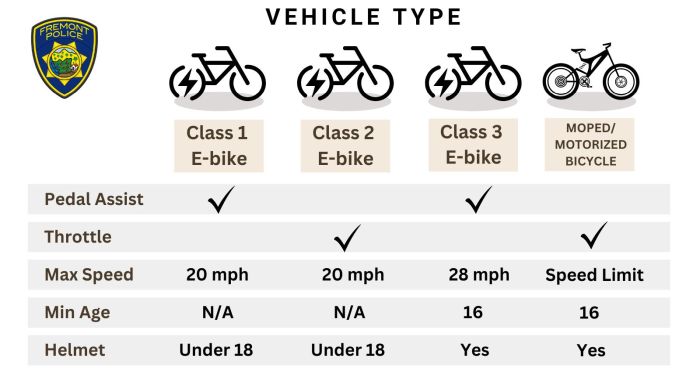
- Under 12 Years Old:
Not recommended to operate any ebike, as children in this group should not handle vehicles exceeding 10 mph.
- Ages 12 to 15:
If deemed mature enough, they should strictly be restricted to Class 1 ebikes
(pedal-assist only, maxing out at 20 mph).
- Ages 16 and Older:
May progress to Class 1 or Class 2 ebikes
(which include a throttle but cap at 20 mph). High-speed Class 3 ebikes (up to 28+ mph) are generally discouraged for teens due to the quick reflexes required for traffi
Essential Safety Strategies
- Mandatory Helmet Use:
Head injuries are the most common severe trauma. Ensure they always wear a helmet, even for short neighborhood trips.
- No Passengers:
Riding with multiple friends on a single-rider ebike compromises stability and increases crash risks.
- Formal Traffic Education:
Teens must learn the rules of the road, look for vehicles, and ride predictably in designated bike lanes. Many parents use open-source modules like this Online Safety Course
to teach road laws.
- Riding Agreements:
Download or write a family ebike riding contract outlining clear expectations, boundaries, and consequences regarding speed modifications and distracting devices like earbuds.
Video- E-bike injuries surge in kids and teens- 2mins
============
Skateboarding
Skateboarding is an incredible way for teens to build balance, coordination, and confidence. However, with roughly 70,000 emergency room visits due to skateboarding injuries every year, practicing proper safety habits is essential to keep them rolling smoothly. Wearing a skateboard-specific helmet, choosing safe locations away from traffic, and learning the physical art of falling are the single most effective ways to prevent serious injuries
.
Location choice drastically alters injury risk, especially for beginners.
| Safe Riding Environments
|
Hazards to Avoid
|
| Designated, supervised skate parks
|
Streets, roads, and high-traffic areas
|
| Smooth, empty parking lots
|
Wet weather, puddles, or ice
|
| Flat, dry driveways away from traffic
|
Crowded sidewalks or pedestrian walkways
|
| Areas with clear, bright daylight or illumination
|
Rough terrain covered in twigs, gravel, or trash |
Crucial Smart Skating Rules
Teens should drill these operational habits until they become second nature:
- Ditch the headphones:
Wearing earbuds blocks out ambient traffic noise, car horns, or warning shouts from other skaters.
- One rider per board:
Attempting to double-up on a single skateboard completely throws off the center of gravity and leads to severe falls.
- No "skitching":
Never hang onto the back or side of a moving vehicle, bicycle, or truck. A sudden brake or turn can throw a skater directly into traffic.
- Inspect the deck:
Before stepping onto the board, quickly check for cracked trucks, loose wheels, or splintering grip tape.
The Art of Falling
Because wiping out is an inevitable part of progression, teens should practice minimizing impact.
- Crouch low:
If balance is lost, drop close to the ground so there isn't as far to fall.
- Roll, don't brace:
Instead of extending stiff arms to break a fall, stay relaxed, tuck the chin, absorb the impact on the fleshy parts of the body, and roll through it.
============
Activity- 10pts
- Create GoogleSlides Presentation
- Solo or with a Friend
- Share GoogleSlides presentation with C Burrill not B Burrill
- Make the presentation look pretty with pictures and colors
- Choose either Swimming, Skateboarding, or Ebikes
- Create the following 8 slides
- Title Page- With Name(s), Period, and activity you chose
- Describe why this activity is popular with teens
- List some stats about your activity and teens
- Esxplain 3 safety tips
- Find 1 YouTube Safety Video- include link to video
- What you learned from the video
- Find 1 article about your activity that you chose- include link to article
- What you learned from the article
|
Week 10
Nutrition and Physical Activity |
Day 22- Tuesday October 13- Nutrition and Physical Activity
============
In today’s world, we continually experience new challenges that affect our physical, mental, and social well-being. Wellness and self-care are more important than ever. Your wellness journey is an ongoing one, and YOU are in the driver’s seat! Below are some curated ideas to care for your many dimensions of wellness, so you can nurture your mind and nourish your body. Here are 26 health and wellness tips that you can use to support your wellness journey in 2026!
Here is the list-
- Create an Exercise Plan
- Drink Plenty of Water
- Track Your Fitness and/or Food Intake
- Take a Multivitamin
- Stand Up Every 30 Minutes
- Be Active Outside
- Eat More Spices and Herbs
- Get Enough Sleep
- Choose Organic Foods
- Keep a Gratitude Journal
- Read a Book for Fun
- Eat a "Rainbow" of Fruits and Vegetables
- Keep Proper Posture
- Comsume Daily Probiotic
- Get Medical Screenings
- Minimaze Sugar Intake
- Meditate
- Spend Time With Family and Friends
- Put Down Electronics
- Boost Your Minerals
- Adopt a New Hobby
- Embrace Tidiness
- Floss and Brush Your Teeth
- Follow Daily Routines
- Cut Out Caffeine
- Prioritze Preventive Medical Care
============
Flipbook Project- 5pts
- Create a Flipbook on your own
- See examples in back of the room
- YouTube Video (How to make a Flipbook)
- Choose 5 self-care stratagies from the 26 above for your Flipbook
- Pick 7 stratagies that you will commit too
- Use pictures and color
- Turn in to Coach Burrill when done
- Make sure full name is on back of Flipbook
Review Questions- 5pts
- Make a GoogleDoc
- Create 5 Multiple Choice questions on your own or 10 questions with a friend in class
- These questions need tobe from our current Unit 3-Nutrition and Physical Activity (Wed Sept 30 - Today)
- Share a Google Doc with me Casey Burrill, not my brother
- I will use these questions to make your test for Thursday!
- Due at the end of class today
============
Use the remaining time today to create your notes that you can use on Thursday's test!
Day 23- Thursday October 15- Test Day!
The Unit 3 Test-
-
30 Questions
- 30 Points
- You may use your hand written notes.
When done with test stay in your seat and do something quietly.
|
Week 9
Nutrition and Physical Activity |

Day 20- Wednesday October 7- Nutrition and Physical Activity
============
Teen Physical Health
Coach B Presentation
Teen years are a critical period for establishing lifelong physical health habits.
As teenagers experience rapid growth, hormonal changes, and brain development, maintaining proper physical health directly impacts their energy, focus, academic performance, and long-term disease prevention.
A comprehensive approach to teenage physical health relies on four foundational pillars.
Pillar 1- Physical Activity Guidelines
Public health organizations like the U.S. Centers for Disease Control and Prevention (CDC)
recommend that adolescents aged 6 to 17 get at least 60 minutes of moderate-to-vigorous physical activity daily
. This daily movement should be broken down into three specific types of exercise:
- Aerobic Activity:
The majority of the 60 minutes should consist of cardiorespiratory movement (such as running, fast cycling, swimming, or team sports like soccer). Vigorous-intensity movement should be included at least 3 days a week
.
- Muscle-Strengthening:
Activities that make muscles work harder (like bodyweight push-ups, climbing, or supervised weight training) should be integrated at least 3 days a week
.
- Bone-Strengthening:
Weight-bearing impact movements that help maximize peak bone density (such as jumping rope, running, or basketball) are required at least 3 days a week
Pillar 2- Nutrition and Hydration
To fuel rapid physical development, teenagers need a high-quality, nutrient-dense diet rather than extreme calorie restriction.
- Balanced Meals:
Ensure daily intake includes a variety of whole foods: lean proteins (chicken, fish, beans), complex carbohydrates (whole grains), and a vibrant mix of fruits and vegetables.
- The "5210" Rule:
Many pediatric health professionals recommend the 5210 framework
as a simple guide: eating at least 5
servings of fruits and vegetables, keeping recreational screen time under 2
hours, getting at least 1
hour of exercise, and drinking 0
sugary beverages per day.
- Hydration:
Water is always the ideal choice. Avoid regular consumption of energy drinks, which contain excessive caffeine and sugar that can trigger heart palpitations, nervousness, and dehydration.
Pillar 3- Restorative Sleep
Sleep is highly essential for physical growth and tissue repair, yet it is frequently neglected during the teen years.
- The Sleep Target:
Most teens need between 8 and 10 hours
of sleep each night to maintain optimal concentration, metabolic function, and emotional regulation.
- Sleep Hygiene:
To help the brain reset, screens should be turned off at least 1 hour before bed
. Keeping the bedroom cool, dark, and quiet supports deeper sleep cycles.
Pillar 4- Preventive Healthcare & Behavioral Habits
Transitioning into adolescence means taking more personal responsibility for personal well-being.
- Routine Checkups:
Annual wellness visits are important to track growth charts, blood pressure, and developmental milestones. Keeping up with age-appropriate vaccinations (such as the annual flu shot and the HPV vaccine series) protects long-term health.
- Daily Protections:
Simple habits build strong defenses—wearing high-SPF sunscreen daily to prevent future skin cancers, avoiding dangerously loud music to preserve hearing, and wearing protective helmets during wheeled sports or cycling.
- Risk Avoidance:
A major component of physical safety involves avoiding harmful substances like alcohol, nicotine (including vaping), and illicit drugs, which can permanently alter the developing adolescent brain.
============
Activty- 5pts
- Solo Activity
- Grab a paper plate
- Make a Physical Health Pie Chart for you
- Draw a picture in each pie slice and add text describing the slice
- 4 Chart Categories- Mental/Behavioral/Medical Care, Sleep/Rest, Nutrition/Hydration, Physical Activity
- Put name on back of plate
- Due at end of class today
- Hand to Coach B
Day 21- Wednesday September 30- Nutrition and Physical Activity
Teen Physical Fitness Goals-
Teens aged 13 to 18 need at least 60 minutes of moderate-to-vigorous physical activity every day
to build strong bodies, improve mental focus, and promote long-term well-being
. According to established frameworks like the CDC Youth Physical Activity Guidelines
and the NHS Physical Activity Guidelines
, an effective fitness plan must balance aerobic endurance, muscle-building, and bone-strengthening exercises
Aerobic Endurance (Daily Goal)
- Daily Movement:
Accumulate a minimum of 60 minutes of heart-pumping cardio daily. This can be broken into smaller 10- to 20-minute blocks.
- High-Intensity Cardio:
Include vigorous activities like running, fast swimming, rowing, or competitive sports at least 3 days a week.
- Moderate Cardio:
Fill remaining daily activity with fast walking, skateboarding, or recreational hiking
Muscle & Bone Strengthening (3+ Days a Week)
- Frequency:
Schedule dedicated resistance or weight-bearing workouts at least 3 days per week
.
- Bodyweight Foundations:
Focus on mastery of movement patterns using push-ups, squats, lunges, and pull-ups.
- Supervised Resistance:
Introduce light weights or resistance bands under qualified supervision to ensure proper form and prevent injury.
- Bone Impact:
Incorporate high-impact actions like skipping, jumping rope, or basketball to optimize bone density during major growth spurts.
Flexibility & Recovery Goals
- Stretching:
Integrate dynamic stretches before workouts and static stretches afterward to preserve full joint mobility.
- Strategic Rest:
Allow targeted muscle groups at least 36 to 48 hours of recovery before training them again.
- Sleep Quality:
Aim for consistent, restorative sleep nightly to maximize growth hormone release and muscle repair.
============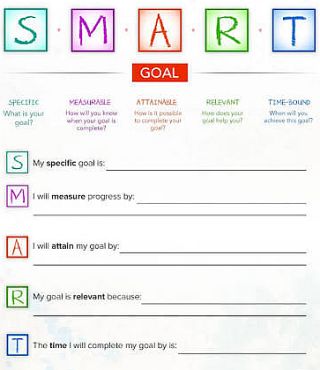
Core Sections of a Teen Fitness Plan
S.M.A.R.T.
- S - Specific
: Write down exactly what you want to do. Instead of saying "I want to get fit", write "Run a 5K
" or "Do 10 push-ups
in a row."
- M - Measurable
: Decide how you will track your progress. Use a calendar, phone app, or fitness log to record days worked out or minutes run.
- A - Achievable
: Make sure the goal matches your current fitness level. Setting goals that are too hard leads to quitting. Start small and build up.
- R - Relevant
: Explain why this goal matters to you. Do you want more energy, better sleep, or to join a school sports team?
- T - Time-Bound
: Set a clear deadline. Pick an exact date four to eight weeks away to evaluate your progress.
============
Some Exercise Ideas
Hiking, running, walking, lunges, biking, jumprope, sports (basketball, pickleball, soccer, etc...), skiing, spikeball, disc golf, wrestling, water skiing, capture the flag, laser tag, skateboarding, yoga, lateral shuffles, dancing, golf, stretching, aerobics, treadmill, surfing, swimming, squats, marching in place, jumping jacks, stair climbing, burpees, boxing, trampoline, rowing, hula-hoop, arm circles, jumping, bear crawls, tag, hopscotch, obstacle course, frog hps, rock climbing, cross country skiing, waliking in sand, etc...
Do you have some other ideas to move???
============
Activity- 5pts
Make a Fitness Plan for You!
- Solo Activity
- Pick a fitness goal from- Aerobic, Muscle, Flexibility, or Recovery
- Use SMART Worksheet to declare a goal (Front Page)
- Pretend fill-out your Tracking Calendar (Back Page)
- Turn Into Coach B
- Due at end of class
|
Week 8
Nutrition and Physical Activity |
Day 17- Monday September 28- Test Day
Test Today- 50pts Total
- 40 Questions- 1 Point Each
- Drawing Activity- 10 Points
The Drawing Activity-10pts
- Draw a picture of a Teen thinking of quiting smoking
- List to the side of the picture the steps this teen will take to quit once and for all
- Put name and period on back of drawing
- Give to Coach B
- Due by end of class today
Day 18- Wednesday September 30- Nutrition and Physical Activity
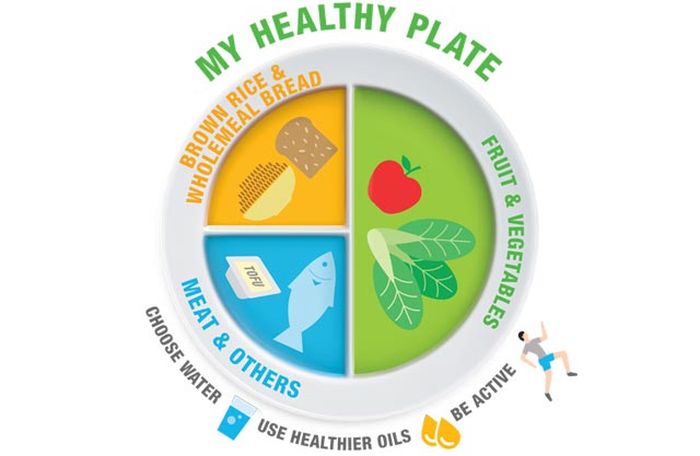
Balanced Diet Plan for Teens
A balanced diet plan for teens
focuses on providing adequate variety and nutrients to fuel rapid growth, muscle development, and brain power rather than restricting calories or counting macros. Because a teenager's body is growing fast, the safest approach is to emphasize building a complete plate and letting their natural hunger and fullness cues guide portion sizes.
Instead of measuring every ounce, pediatric specialists recommend using a simple visual framework at most meals. A teenager's plate should ideally be broken down into four jobs
| Element
|
Why it Helps
|
Easy Real-Food Examples
|
| Protein
|
Builds muscle, repairs tissue, and keeps them full.
|
Eggs, skinless chicken breast, lean beef, fish, beans, tofu, or Greek yogurt.
|
| Colorful Produce
|
Supplies critical vitamins (like Vitamin C), minerals, and fiber.
|
Berries, oranges, broccoli, carrots, bell peppers, spinach, and tomatoes.
|
| Fiber-Rich Carbs
|
Provides steady energy for sports and school, preventing fatigue.
|
Oatmeal, brown rice, whole-grain bread, quinoa, pasta, or popcorn.
|
| Healthy Fats
|
Vital for brain health, growth, and nutrient absorption.
|
Avocado, a handful of unsalted nuts, seeds, or a drizzle of olive oil. |
Sample 1-Day Meal Framework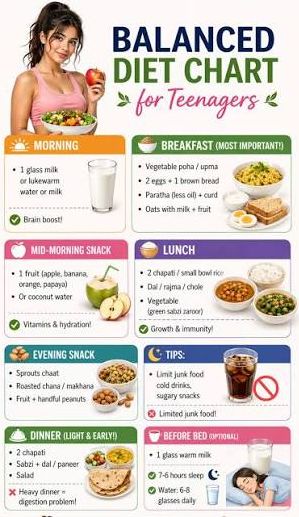
This sample menu balances these key groups while providing the substantial energy growing teens need:
- Breakfast:
Scrambled eggs
(protein)
cooked with a little olive oil (healthy fat), a slice of whole-wheat toast
(fiber carb)
, and a side of fresh berries (color).
- Lunch:
A turkey
or chickpea wrap
on a whole-grain tortilla
with avocado slices, shredded spinach, and carrots
. Serve with a side of apple slices or sugar-free Greek yogurt.
- Snack Before or After Lunch:
Whole-grain pretzels
or popcorn
paired with a small handful of almonds, or raw celery
and carrots with hummus
.
- Dinner:
Baked or grilled salmon
or chicken breast
(lean protein)
, a generous serving of roasted broccoli
and sweet potatoes
(colorful produce)
, and a side of brown rice or quinoa (complex carbs).
- Hydration:
Opt for water or low-fat milk as the primary drinks across the day.
Critical Nutrients to Prioritize
During adolescence, certain nutrients are essential to prevent fatigue and support permanent bone development:
- Calcium & Vitamin D:
Vital for building maximum bone density during peak growth. Ensure they get 3 to 3.5 servings of dairy or calcium-fortified plant alternatives daily (such as milk, yogurt, cheese, or fortified soy milk).
- Iron:
Crucial for producing red blood cells that transport oxygen throughout the body. This is especially critical for teenage girls who are menstruating, as low iron leads to anemia, heavy fatigue, and light-headedness. Lean meats, fish, eggs, beans, and lentils are top sources.
- Hydration:
Teens need about 6 to 8 cups (1.6–1.9 liters) of fluid daily, and more if they are active. Limit sugary sodas, energy drinks, and excessive fruit juices, which trigger energy crashes and introduce empty sugars.
Statistics on Teen Eating Habits
Most U.S. teenagers do not meet federal dietary guidelines
, with data pointing to high rates of breakfast-skipping and low intake of essential food groups like fruits and vegetables. However, recent trends show slight improvements in specific areas, such as reduced sugary beverage consumption.
- Fruit & Vegetable Deficit:
80% of high school students
do not eat fruits and vegetables 5 or more times per day.
- Calcium Crises:
85% of adolescent females
fail to consume enough calcium. This is worsened by a 36% drop in milk consumption
among teen girls over recent decades.
- Sugar Spike:
Average daily soft drink consumption has drastically increased, reaching an average of 19 ounces per day for teen boys
and 11 ounces per day for teen girls
- Fiber Shortfall:
Only 39% of youth
meet daily fiber recommendations, which are essential for digestion and heart health.
- Breakfast-Skipping:
Only about 25% of teenagers eat breakfast every day, a notable decline from ten years ago. This gap is significant because teens who eat breakfast regularly generally maintain healthier overall diets and get more fiber, iron, and zinc
- Fast-Food Consumption:
Approximately 30.1% of U.S. youth eat fast food on any given day. Adolescents (ages 12–19) derive about 14.6% of their daily calories from fast food, which is significantly higher than younger children.
- Beverage Trends:
On the positive side, teenagers are drinking less soda and sports drinks while increasing their intake of plain water.
- Childhood Obesity:
According to the CDC Childhood Obesity Facts
, 22.2% of adolescents aged 12–19 meet the criteria for obesity. Rates are heavily influenced by socioeconomic factors, with obesity prevalence dropping as family income increases.
- Dieting & Weight Concerns:
Data from the National Eating Disorders Association (NEDA)
indicates that 62.3% of teenage girls and 28.8% of teenage boys report trying to lose weight, with 58.6% of girls and 28.2% of boys actively dieting.
Risks of Poor Teen Nutrition
- Delayed Development:
A lack of proper fuel can directly delay puberty and stunt physical growth.
- RED-S (Relative Energy Deficiency in Sports):
Active teen athletes who unintentionally restrict calories face a high risk of academic decline, severe fatigue, menstrual stoppage, and frequent illnesses.
- Early Onset Chronic Disease:
Poor teen eating patterns lay the groundwork for adult chronic health struggles, including cardiovascular disease, type 2 diabetes, and high blood pressure
Video- Why can't we stop eating certain foods? - Watch first 7min
- Vanishing Caloric Density
- Sonic Branding
- Stomach Share
============
Produce Advertising Campaign-5pts
- Solo Project
- Grab the Billboard paer from the back
- Select a specific fruit or vegitable
- Design a Billboard meant to convince teens to actually buy and east it
- Put name and period on the back
- Hand to Coach B
Day 19- Friday October 2- Nutrition and Physical Activity
Ask Coach B #7
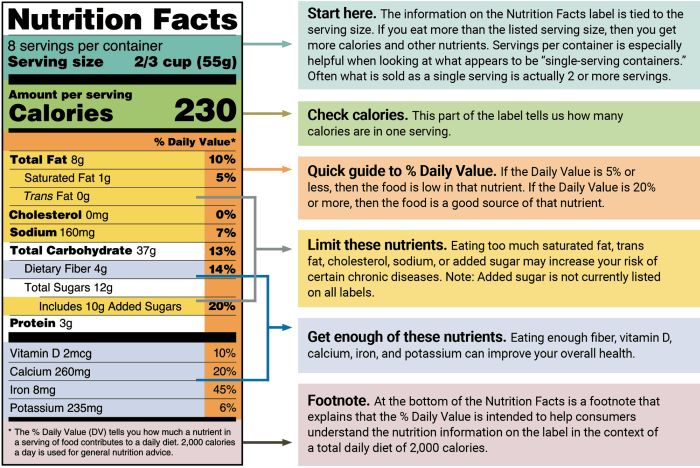
Understand Nutritional Labels
Video- How to Read Food Labels- 4min
Reading a Nutrition Facts label
allows you to make informed, healthy choices by breaking down exactly what you are putting into your body. The U.S. Food and Drug Administration (FDA) standardizes these labels so you can easily compare different foods.
Check the Serving Information
Always look at the Serving Size
and Servings Per Container
first, located at the very top of the label.
- The baseline:
All the numbers, calories, and nutrient amounts listed on the rest of the label are based strictly on one single serving
.
- The reality check:
Serving sizes represent what people typically eat, not a recommendation of what you should
eat. If a package contains two servings and you eat the whole thing, you must double
all the calories and nutrients listed.
Check the Total Calories
Calories tell you how much energy
you get from a single serving of the food. Keeping track of calories helps you manage your energy intake and maintain a healthy weight.
Use the % Daily Value (%DV) as a Quick Guide
The Percent Daily Value (%DV)
column on the right side tells you how much a nutrient in a serving of food contributes to a total daily diet. You can use the general 5/20 rule
to quickly evaluate the numbers:
- 5% DV or less
is considered low
.
- 20% DV or more
is considered high
Limit Certain Nutrients (Aim for Low %DV)
To protect your heart and overall health, look for foods that have lower amounts (5% DV or less) of these specific items:
- Saturated Fat and Trans Fat:
High amounts can negatively impact heart health. (Note: If a label lists "0g" trans fat but contains "partially hydrogenated oil" in the ingredients, it still has a trace amount).
- Sodium:
High salt intake contributes to high blood pressure.
- Added Sugars:
The label explicitly splits natural sugars from sugars added during processing. Limit added sugars to avoid empty calories.
Get Enough Beneficial Nutrients (Aim for High %DV)
Look for foods that are a good source (20% DV or more) of nutrients that many people do not get enough of:
- Dietary Fiber:
Promotes gut health, helps manage blood sugar, and keeps you feeling full.
- Protein:
Essential for muscle maintenance and overall health.
- Vitamins & Minerals:
Pay close attention to Vitamin D, Calcium, Iron, and Potassium
Read the Ingredients List
Don't forget to look right below the nutrition facts chart. Ingredients are always listed in descending order by weight
, meaning the first ingredient listed is what the food contains the most of. If sugar, refined grains, or hydrogenated oils are near the top of the list, the item is less health-dense
Helpful Websites
============
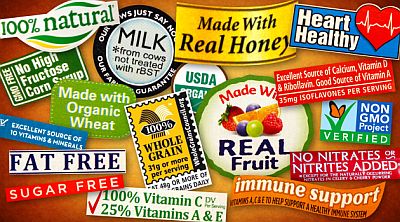
Food packaging claims
are statements on food labels that highlight specific nutritional benefits, ingredients, or health effects
. In the United States, the Food and Drug Administration (FDA)
tightly regulates these claims to protect consumers from misleading marketing. However, medical and nutritional studies show that the number of front-of-package health claims does not correlate with the actual healthiness
of a food product, as many highly processed foods use marketing buzzwords to mask low nutritional quality.
Nutrient Content Claims
These explicitly describe or compare the levels of a nutrient, calorie count, or substance in a product. The FDA
enforces strict legal thresholds per standard serving size for these terms
:
- "Free" (e.g., Calorie-Free, Fat-Free, Sugar-Free):
Indicates a negligible or minimal amount. Must contain less than 5 calories
, less than 0.5g of fat
, or less than 0.5g of sugar
.
- "Low" (e.g., Low-Sodium, Low-Calorie, Low-Fat):
Can be eaten frequently without exceeding dietary guidelines. Must be 40 calories or less
, 140mg of sodium or less
, or 3g of fat or less
.
- "Reduced" or "Less":
Must contain at least 25% less
of a specific nutrient or calories compared to the regular version of that product.
- "High In" or "Excellent Source Of":
Contains 20% or more
of the recommended daily value (% DV) of a beneficial nutrient.
- "Good Source Of":
Provides 10% to 19%
Health Claims
These statements explicitly link a food substance or ingredient to the reduction in risk of a disease
or health-related condition. They require rigorous scientific data and fall into two tiers:
- Authorized Health Claims:
backed by "Significant Scientific Agreement" (SSA) among experts. An example is linking soluble fiber from whole oats to a reduced risk of coronary heart disease.
- Qualified Health Claims:
supported by emerging scientific evidence but lack full consensus. The FDA
permits these only if they include a strict
explanatory disclaimer
on the box to prevent misleading consumers.
============
Labels Worksheet Project- 5pts
- Work on own or with 1 friend
- Grab a food product from the back counter
- Complete Both Sides of Handout
- Make sure your names and period are on the Handout
- Give to Coach B when done
|
Week 7
Alcohol, Tobacco, and Other Drugs |
Day 15- Tuesday September 22- Cannabis (Marijuana)
View Coach B Presentation
Cannabis: The Facts You Need to Know (PDF File)
Common Names for Cannibis- Marijuana, Weed, Pt, Grass, Ganja, Herb, Bud,, and Mary Jane
Modern Slang Terms-
- Zaza:
High-quality or exotic strains.
- Gas:
Very strong, pungent cannabis.
- Loud:
Potent weed with a strong smel
- Tree: A casual, direct reference to the plant form (e.g., "smoking trees").
- Broccoli: A coded, slang term based on the visual appearance of a cannabis bud.
- Penjamin: A slang term specifically used for a vape or dab pen
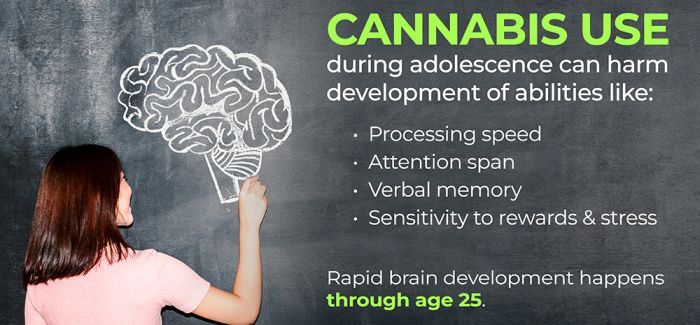
Teen cannabis use carries significant risks for brain development, mental health, and academic performance
, largely because the teenage brain is undergoing a critical period of growth and neural pruning.
Marijuana is not completely free of risk for adults
. While many adults use it without severe harm, medical experts note that modern cannabis is much stronger than in the past, and regular use carries documented health risks regarding heart health, mental well-being, and dependency.
Why the Teen Brain is Specially Vulnerable
- The prefrontal cortex—the area of the brain responsible for planning, decision-making, and emotional regulation—continues to develop into a person's mid-20s. Introducing tetrahydrocannabinol (THC)
, the psychoactive compound in cannabis, can disrupt this natural wiring process.
- Furthermore, modern cannabis products (including flowers, vapes, and concentrates) are two to three times more potent
than they were a few decades ago, exposing adolescents to unprecedentedly high concentrations of THC.
Key Risks and Impacts
- Mental Health Disorders:
Large-scale cohort studies show that adolescent cannabis use is strongly linked to an increased risk of developing clinical psychiatric disorders. This includes a doubled risk of psychotic and bipolar disorders
, alongside significantly higher rates of depression and anxiety.
- Cognitive & School Performance:
Even casual or infrequent use (just once or twice a month) is associated with worse school grades, attention deficits, and academic disengagement. Near-daily users are nearly four times more likely to struggle academically.
- Potential for Addiction:
Approximately 1 in 10 adolescents
who use cannabis will develop Cannabis Use Disorder (CUD). Starting use at an earlier age drastically increases the likelihood of long-term dependency.
- Behavioral Safety:
Cannabis impairs coordination, memory, and reaction time, drastically increasing the danger of motor vehicle accidents if teens drive while under the influence.
Warning Signs
Because cannabis is now frequently consumed through virtually odorless methods like e-cigarettes (vaping) and edibles (candies/baked goods), identifying use can be difficult. Look out for these signs:
- Sudden shifts in mood, increased irritability, or atypical laziness
- A noticeable drop in academic performance or skipping school
- Bloodshot or red eyes and delayed reaction times
- Possession of drug paraphernalia (vape cartridges, specialized wrappers, or small scales)
- Feeling emotionally "flat" or losing interest in previously loved hobbies
What Can Be Done?
- Early Conversations:
Talk to youth early and often. Approach the conversation with a frank, nonjudgmental tone. Focus on facts rather than scare tactics.
- Dispel the "Natural" Myth:
Clarify that just because a substance is plant-derived or legally available to adults over 21 does not mean it is safe for a developing teenage body.

- Professional Support:
If a teen is struggling with substance use or self-medicating for underlying emotional distress, seek support from a pediatrician, child psychiatrist, or family counselor.
============
Activity- 5pts
- Read this Article- We Found Weed in Our Son’s Room – Should We Call the Police or a Therapist?
- Individual or Pairs assignment
- Use a blank piece of paper
- Draw a picture of a parent, he/she/they just found weed in their child's backpack!
- List next to them 3 thoughts that went through their head
- Write a paragraph describing the action the parent decides to take
- Place name/names and period on back of paper
Day 16- Thursday September 24- Other Drugs Used by Teens
Ask Coach B- #6
Coach B Presentation
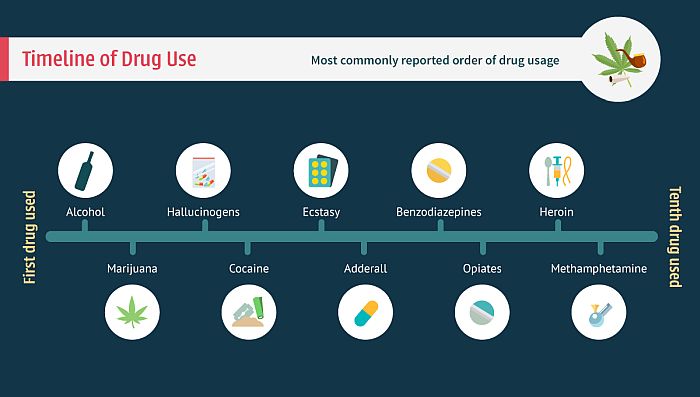
Besides cannabis, fentanyl, alcohol, and tobacco products, public health surveys monitor several other categories of substances encountered among adolescents, which include prescription medications, over-the-counter products, and illicit substances.
Prescription and Over-the-Counter Medications
- Prescription Stimulants:
Medications officially prescribed for ADHD, such as methylphenidate or amphetamine derivatives, are tracked due to instances of nonmedical use or unauthorized sharing among peers.
- Prescription Sedatives:
Benzodiazepines and related tranquilizers are monitored for unauthorized access and nonmedical consumption within adolescent demographics.
- Over-the-Counter Cough Medicines:
Products containing dextromethorphan (DXM) are subject to public health monitoring due to risks associated with high-dose consumption outside of recommended medical guidelines.
Other Monitored Substances
- Synthetic and Illicit Stimulants:
Substances such as MDMA are occasionally reported in surveys tracking substance trends at social gatherings
- Hallucinogens:
Standard epidemiological surveys track the lifetime prevalence of substances such as LSD and psilocybin mushrooms among older adolescents
- Inhalants:
The inhalation of common household products, including certain aerosol sprays, glues, or solvents, represents a specific risk category monitored particularly among younger adolescents
============
Today's Activity- 5pts
- Make a GoogleDoc
- Create 5 Multiple Choice questions on your own or 10 questions with a friend in class
- These questions need tobe from our current Unit 2- Alcohol, Tobacco, and Other Drugs (Thurs Sept 8 - Today)
- Share a Google Doc with me Casey Burrill, not my brother
- I will use these questions to make your test for Monday
- Due at the end of class today
=============
Test on Monday -30pts
Topics for Test on Monday- Alcohol, Tobacco, and Other Drugs
|
Week 6
Alcohol, Tobacco, and Other Drugs |
Day 12- Monday September 14- Tobacco Products, Niccotine, and Dangers
Alcohol Quiz- 10pts
Ask Coach B #4- Make-Up from last week!
============
Coach B Presentation- Tobacco Use & Health Damage
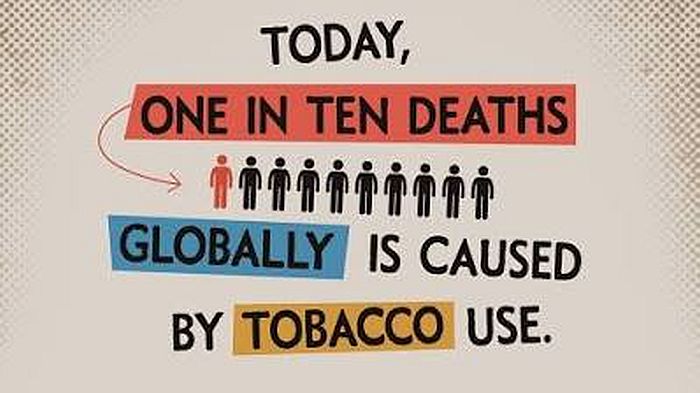
Tobacco use is the leading preventable cause of disease and death worldwide, harming nearly every single organ in the body.
Inhaling tobacco smoke exposes users to a toxic cocktail of over 7,000 chemicals, which triggers body-wide inflammation, cellular damage, and DNA mutation
.
The primary health dangers of tobacco use span several critical areas:
- Respiratory System Destruction- Tobacco smoke directly paralyzes and destroys the tiny, hair-like structures in your airways called cilia, which are responsible for sweeping out infections
- Cardiovascular Strain & Disease- Nicotine acts as a powerful vasoconstrictor, forcing your blood vessels to thicken and narrow
- Widespread Cancer Risk- The carcinogens in tobacco cause rapid, abnormal cellular growth. While lung cancer
is the most notorious, tobacco use is a documented cause of at least 16 different types of cancer
, including malignant growths in the mouth, throat, esophagus, stomach, liver, pancreas, kidneys, and bladde
- Secondhand Smoke & Pregnancy- The dangers of tobacco extend far past the person using it.
- Secondhand Smoke:
Non-smokers exposed to lingering smoke are at an increased risk for lung cancer, stroke, and heart disease.
- Infants and Children:
Exposure heavily increases the risk of Sudden Infant Death Syndrome (SIDS), severe asthma attacks, and chronic ear infections.
- Pregnancy:
Tobacco use during pregnancy restricts oxygen to the fetus, directly contributing to miscarriage, stillbirth, premature birth, and severe low birth weight
- Oral Health & Systimic Degradation-
- Oral Health:
It destroys gum tissue and jawbones (periodontal disease), leading to severe tooth decay, tooth loss, and chronic bad breath.
- Immune Suppression:
Tobacco weakens the immune system, leading to poor wound healing and a higher risk of autoimmune conditions like rheumatoid arthritis.
- Sensory Loss & Aging:
It actively degrades the optic nerve, causing cataracts and vision loss, while simultaneously damaging skin collagen to cause premature wrinkles.
============
Tobacco products
are any products made or derived from tobacco leaves that are intended for human consumption, as well as the components and accessories used to consume them. These products contain nicotine, a highly addictive stimulant chemical that occurs naturally in tobacco plants.
Regardless of the form, health agencies like the World Health Organization (WHO)
emphasize that there is no safe form of tobacco use, as all variations pose health risks, introduce carcinogens, and carry a high risk of addiction.
Traditional Smoked Tobacco
These products rely on combustion, meaning the tobacco is burned, and the user inhales the resulting smoke
- Cigarettes:
Finely cut tobacco wrapped in paper cylinders, including manufactured and roll-your-own varieties.
- Cigars and Cigarillos:
Larger cylinders wrapped in tobacco leaf or paper made from tobacco, containing air-cured or dried whole tobacco leaf.
- Pipe Tobacco:
Loosely cut tobacco meant to be smoked in a specialized pipe bowl.
- Hookah (Waterpipe) Tobacco:
A wet, sticky tobacco mixture (often called shisha) mixed with molasses and flavorings, heated using charcoal so the smoke filters through water before inhalation.
- Bidis and Kreteks:
Herbal or flavored variations; kreteks are clove cigarettes and bidis are thin, hand-rolled cigarettes popular in South Asia.
Smokeless Tobacco
These products are absorbed through the mucous membranes of the mouth or nose without burning the tobacco plant.
- Chewing Tobacco:
Loose leaves, plugs, or twisted ropes of cured tobacco placed between the cheek and gums to be chewed.
- Snuff and Dip:
Finely ground or shredded tobacco that can be dry (sniffed through the nose) or moist/dipping tobacco (held inside the lower lip).
- Snus:
A spitless, moist powder tobacco pouch placed under the upper lip.
- Dissolvables:
Finely processed tobacco shaped into lozenges, strips, or sticks that slowly melt in the mouth
Heated Tobacco Products (HTPs)
Often called "heat-not-burn" devices, these battery-powered products use a precise heating element to warm real tobacco leaves without creating a fire. This generates a nicotine-filled aerosol for inhalation rather than thick smoke.
Electronic Nicotine Delivery Systems (ENDS) & Vapes
Electronic cigarettes or vapes do not contain raw tobacco leaves. Instead, they use a battery to heat an e-liquid solution that typically contains extracted or synthetic nicotine, flavorings, and other chemicals, turning it into an inhalable vapor.
Article- Identify which products teens are vaping
Article- TikTok trend exposes health dangers of vaping
Video- Teen Tobacco Use (2min)
Nicotine Pouches and Gels
These are newer, tobacco-free alternatives. They use white, pre-portioned pouches or topically applied gels containing isolated nicotine (either extracted from the plant or made synthetically in a lab) that is absorbed through the gums.
Article- Oral nicotine pouches: addiction in a new package
============
Today's Activity-5pts
- Solo Activity
- Due at end of class
- Use a Google Doc
- Share the Doc with me, not my brother!
- You may use charts, graphs, and pictures
- No more than one page in length
- Write a letter to Tabacco Companies
- Demand that they leave Teens Alone
- Give examples of how they market to Teens
- Show data as to how Teens get addicted
- Do not be nice (appropriate for school please), demand change
Day 13- Wednsday September 16- Tobacco Gross Stuff & Quitting
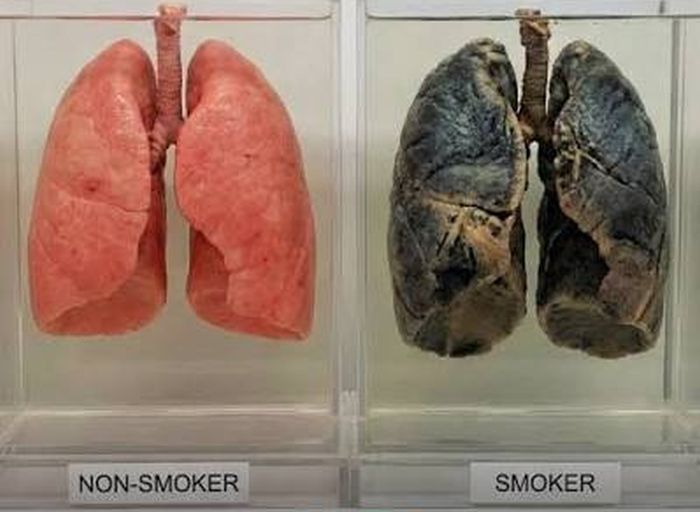
Coach B Presentation in Pictures- Nasty Stuff!
============
How to quit?!?!?!
Quitting tobacco is a journey that is most successful when you
combine a structured plan, behavioral strategies, and medical support
. Because nicotine is highly addictive, having a clear roadmap dramatically increases your chances of staying smoke-free or tobacco-free long term.
Connect with free coaching and support through resources like Smokefree
or call 1-800-QUIT-NOW
Build a "START" Quit Plan
A great way to begin is by using the START
framework recommended by health experts:
- S = Set a quit date:
Choose a specific day within the next two weeks to give yourself time to prepare without losing your motivation
- T = Tell family, friends, and coworkers:
Share your plan and ask for their support. Let them know how they can help you during tough moments.
- A = Anticipate challenges:
Expect cravings and withdrawal symptoms (like irritability, anxiety, or trouble sleeping). Plan how you will handle them before they happen.
- R = Remove tobacco products:
Throw away all cigarettes, vapes, lighters, ashtrays, or smokeless tobacco from your home, car, and workplace.
- T = Talk to your doctor:
Ask about options that can make quitting easier and reduce withdrawal symptoms
============
Incentives to Quit Tobacco and/or Alcohol Use-
- Government- May pay you or give you gift cards to quit
- Place of Employment- Walmart has a program to help you quit with a raise
- Download Free Apps- like quitSTART
- Health Incurance Provider- My health insurance provider lower premium costs
- Clinical Trials and Studies- like 2k to participate
- Free Quit Smoking Kits- several goverment and private agancies
- Free patches- Nicotine replacement therapy (NRT) patches
- Schools- Counseling amd support groups
=============
Today's Project-5pts
- Story Board- 6 Scenes
- Solo Project
- Show someone quitting tobacco using "START" plan
- Use pictures and text as needed
- Use color
- Storyboard- How to make a Template
- Due at the end of class
Day 14- Friday September 18- Fentanyl
Ask Coach B #5
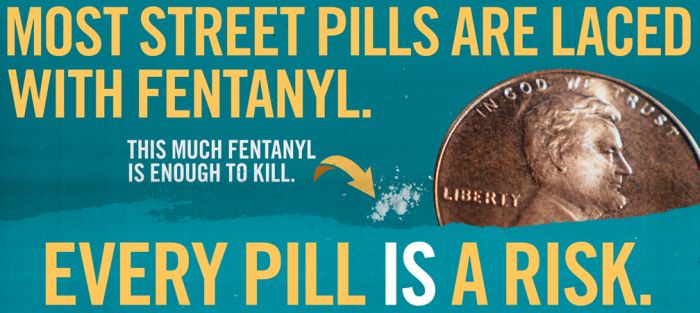
Fentanyl has fundamentally changed the landscape of teen drug use, becoming involved in at least 75% of adolescent overdose deaths
.
The crisis is driven by the widespread availability of counterfeit pills that look identical to legitimate prescription medications but are laced with lethal amounts of illicitly manufactured fentanyl.
Fentanyl is a synthetic opioid. Opioids are a broad class of medicines and drugs
that primarily interact with opioid receptors
on nerve cells in the brain and body to block pain signals. They include legally prescribed pain relievers, synthetic substances, and illegal drugs like Fentanyl.
Fentanyl is-
- Tasteless
- Odorless
- Impossible to Detect by Sight Alone.
Santa Clarita Valley Situation-
Fentanyl is a synthetic opioid that is 50 times stronger than morphine and is now causing more deaths in Santa Clarita than almost anywhere else in Los Angeles County. A couple years ago, Santa Clarita lost 23 young people. We are all highly concerned about our young people as many drugs including marijuana may contain deadly levels of fentanyl. The Hart District is working in partnership with the Los Angeles County Sheriff's Department and the City of Santa Clarita to raise awareness and combat this issue impacting our youth.
Street Names- Apache, Dance Fever, Friend, Goodfellas, Jackpot, Murder 8, Tango & Cash
PDF File- Fentanyl Fact Sheet
Video- Dead on Arrival (21min)
The Danger: Accidental Poisoning
Most teenagers do not actively seek out fentanyl. Instead, they fall victim to accidental poisonings
due to the following factors
- Counterfeit Prescription Pills:
Criminal networks mass-produce fake pills designed to look exactly like prescription medications. Teens seeking stimulants like Adderall for studying, or anti-anxiety medications like Xanax and Percocet for stress, unknowingly purchase lethal doses.
- Social Media Accessibility:
These counterfeit pills are highly accessible, often sold directly through e-commerce and social media platforms, making them available to anyone with a smartphone.
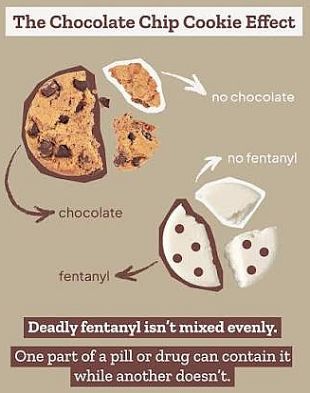
- The "Chocolate Chip" Effect:
Fentanyl is mixed unevenly into drug batches. One pill might have no effect, while another from the same batch could contain a fatal dose. Teens can never verify the safety of a non-pharmacy pill by sight, smell, or taste.
- Underestimated Risks:
Many youth severely underestimate the danger. A recent survey found that over half of 8th graders did not perceive a great risk in experimenting with fentanyl once or twice.
Signs of an Opioid Overdose
When an overdose occurs, it happens rapidly—often within seconds to minutes. Look for the "opioid triad"
of symptoms:
- Pinpoint pupils
(extremely small, constricted pupils)
- Respiratory depression
(slowed, shallow, or stopped breathing)
- Loss of consciousness
or stupor
- Other signs include cold, clammy, or blue/grayish skin and fingernails.
Prevention and Harm Reduction
- Naloxone (Narcan):
Narcan is a life-saving nasal spray that can reverse an opioid overdose. It is safe, easy to use, and should be kept in households and schools.
- Open Conversations:
Parents and educators should have honest, non-judgmental conversations with teens. Emphasize that no pill is safe
unless it comes directly from a licensed pharmacy via a doctor's prescription.
- Address Mental Health:
Many teens turn to illicit pills to self-medicate for undiagnosed anxiety, depression, or ADHD. Addressing underlying mental health conditions reduces the risk of substance experimentation.
============
Today's Project - 5pts
- Solo Drawing
- Chocolate Chip Cookie Drawing
- Use a paper plate
- Describe The "Chocolate Chip" Effect
- Label as needed
- Due at the end of class
|
Week 5
Alcohol, Tobacco, and Other Drugs |
Day 10- Tuesday September 8- Alcohol
----------------
I am not at school today. Please take great care of my sub today. She is amazing!!!
No cell phones until done with the following work today.
On your own, read and learn the following information below about teens and alcohol. Then complete the project at the end of today's agenda. The brochure project is worth 10 points. Turn the brochure into the sub when you are done. Your brochure must be done using hand drawn pictures and your own handwriting. No computer aided graphics or print.
You may then do something quiet for the remainder of the period.
----------------
Alcohol is the most commonly used and misused drug among young people
in the United States.
Because a teenager's brain and body are still actively developing, alcohol affects them much more severely than it does adults
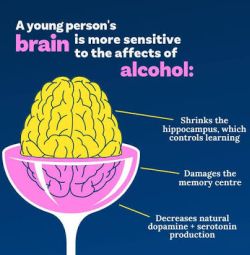
The Scientific Impact on the Teen Brain
The human brain continues developing well into a person’s 20s. The "pleasure centers" of a teen’s brain mature faster than the parts responsible for impulse control and sound decision-making.
- Rewarding Misconceptions:
Alcohol triggers feelings of euphoria that "trick" the adolescent brain into thinking drinking was a positive choice, motivating them to do it again.
- Memory & Learning Damage:
Alcohol directly impairs the hippocampus, blocking the transfer of short-term memories into long-term storage. This creates blackouts and severely compromises learning capacity.
- Higher Addiction Risks:
Teens who begin drinking before age 15 are five times more likely
to develop an alcohol use disorder (AUD) later in life compared to those who wait until they are 21.
The Dangers of Teen Binge Drinking
An alarming 90% of all alcohol consumed by teenagers
occurs during binge drinking. For adolescents, binge drinking typically means consuming 3 to 5 drinks within a two-hour window.
- Processing Vulnerability:
Teens get drunk faster and stay drunk longer because their bodies cannot process alcohol efficiently.
- Alcohol Poisoning:
This occurs when excessive alcohol shuts down critical life support systems. Emergency medical services (911) must be called immediately if a teen exhibits signs of alcohol poisoning:
- Confusion or slurred speech
- Vomiting
- Slow or irregular breathing
- Seizures
- Clammy skin or low body temperature
- Inability to wake up or passing out
- Accidental Death:
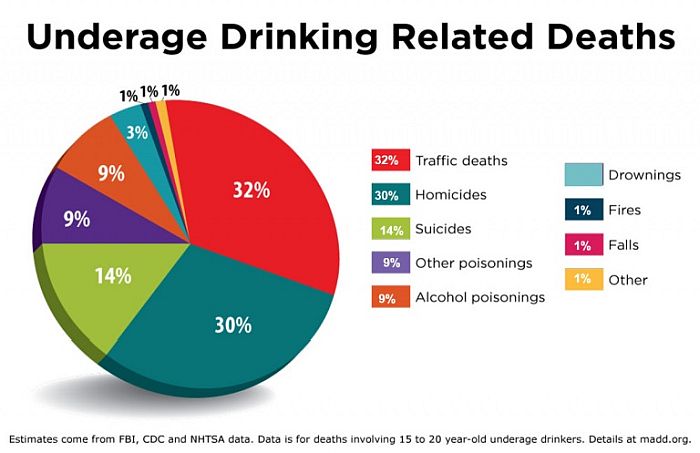
Approximately 4,000 young people die every year
from excessive underage drinking, driven by motor vehicle crashes, alcohol overdoses, homicides, and suicides
Warning Signs of Teen Alcohol Use
While some mood swings are a normal part of adolescence, a combination of the following signs may indicate an alcohol problem
- Behavioral Signs
- Drastic mood changes or irritability
- Sudden defensiveness or secrecy
- Finding hidden alcohol in their belongings
- Physical Signs
- Smell of alcohol on breath or clothing
- Slurred speech and loss of coordination
- Bloodshot eyes or frequent hangovers
- Academic and Social Signs
- Rapid drop in grades or skipping school
- Switching to a completely new group of friends
- Losing interest in long-time hobbies
Prevention and Parental Impact
Parents have a profound influence on their children's choices, even if peer pressure, media, and untreated mental health struggles (like anxiety or ADHD) drive teenagers to experiment.
- The Myth of "Supervised Drinking":
Research from the National Institute on Alcohol Abuse and Alcoholism
 (NIAAA)
shows that allowing teens to drink or taste alcohol at home under adult supervision does not
satisfy their curiosity. Instead, it normalizes the behavior and is consistently linked to heavier, more frequent drinking later in life. (NIAAA)
shows that allowing teens to drink or taste alcohol at home under adult supervision does not
satisfy their curiosity. Instead, it normalizes the behavior and is consistently linked to heavier, more frequent drinking later in life.
- Open Conversations:
Talk honestly about peer pressure and practice practical ways to refuse alcohol.
- Early Screening:
Organizations like the Centers for Disease Control and Prevention (CDC)
and the American Academy of Pediatrics recommend that pediatricians regularly screen youth for alcohol use to catch and treat issues early.
============
Today's Brochure Project-
- Create a brochure that educates teens about alcohol use
- You may use the infomation you learned above or do further research online
- Solo project
- Hand drawn pictures and your own handwriting only
- Help Video-How to Fold Paper for Tri Fold Brochures
- Please return any art supplies you borrow from me
- Due at end of class
- Turn into the sub when finished
- 10pts
I miss you all. Hope you all had a great weekend. I did. USC won! Look forward to seeing each of you on Thursday! Have a GREAT 48!
Day 11- Thursday September 10- - Alcohol Vocab Day
I'm Back!
Let's Do Some Vocab Today!
Health & Clinical Terms- View Google Slide
These are the standard terms taught in health class to describe alcohol and its effects on the body:
- Ethanol:
The specific type of alcohol found in beer, wine, and liquor.
- Depressant:
A class of drugs that slows down the central nervous system, impairing brain activity, reflexes, and coordination.
- Intoxication:
The physical and mental state of being impaired or poisoned by alcohol, resulting in reduced control.
- Binge Drinking:
Consuming a large amount of alcohol in a short period (typically 4 or more drinks for females, 5 or more for males in about two hours).
- BAC (Blood Alcohol Concentration):
The percentage of alcohol present in a person's bloodstream.
- Alcohol Poisoning:
A severe, potentially fatal physical reaction to an alcohol overdose.
- Blackout:
A period of alcohol-induced amnesia where a person remains conscious but their brain stops recording short-term memories.
- Inhibitions:
The natural internal limits people place on their behavior, which alcohol lowers, leading to riskier choices.
- Tolerance:
The body's adaptation to alcohol over time, requiring larger amounts to achieve the same effect.
- Alateen:
A support group specifically designed for younger people and teens who are affected by someone else's alcoholism.
Teen Slang Terms- View Google Slide
Teenagers often use code words or slang in text messages and conversations to hide drinking from parents or teachers:
- The Substance:
Common terms include juice
, sauce
, hooch
, giggle water
, cold one
, or party punch
.
- Jungle Juice / Hunch Punch:
A highly potent mix of various hard liquors and sweet juices, frequently served in large batches at high school or college parties.
- Buzzed / Tipsy:
Feeling the mild, early effects of alcohol without being fully drunk.
- Lit / Turnt:
Feeling heavily intoxicated or highly energetic from substance use at a party.
- Wasted / Hammered / Plastered:
Common street terms for being severely, visibly drunk.
- Crunk:
A term meaning to get high (usually on marijuana) and drunk at the same time.
- Shotgunning:
Piercing a hole in the side of a beer can to drink the alcohol incredibly fast
- What am I missing?
General Prevalence & Declining Trends
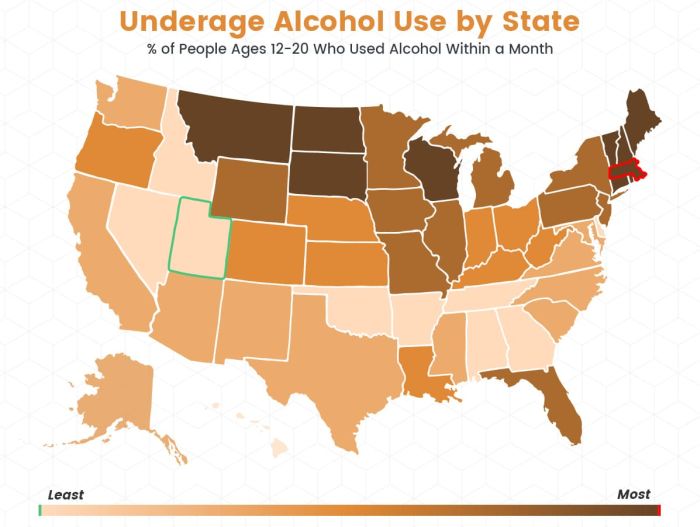
- Past-Month Drinking:
Approximately 1 in 7 youth (around 14%) aged 12 to 20 report drinking alcohol within the past 30 days.
- Historical Drops:
Alcohol consumption among high school students dropped from 50.8% in 1991 down to 22.1% in recent years, a nearly 29 percentage point drop.
- Gender Breakdown:
Girls are currently slightly more likely to report drinking underage and binge drinking than boys.
- Lifetime Trial:
By the 12th grade, nearly 48.7% of teenagers report having consumed alcohol at least once
Health & Safety Consequences
- Causes many deaths. Alcohol is a significant factor in the deaths of people younger than age 21 in the United States each year. This includes deaths from motor vehicle crashes, homicides, alcohol overdoses, falls, burns, drowning, and suicides.
- Causes many injuries. Drinking alcohol can cause youth to have accidents and get hurt.
- Impairs judgment. Drinking can lead to poor decisions about taking risks, including unsafe sexual behavior, drinking and driving, and aggressive or violent behavior.
- Increases the risk of physical and sexual assault. Underage binge drinking is associated with an increased likelihood of being the victim or perpetrator of interpersonal violence.
- Can lead to other problems. Drinking may cause youth to have trouble in school or with the law. Drinking alcohol is also associated with the use of other substances.
- Increases the risk of alcohol problems later in life. Research shows that people who start drinking before the age of 15 are at a higher risk for developing alcohol use disorder (AUD) later in life.
- Interferes with brain development. Research shows that people’s brains keep developing well into their 20s. Alcohol can alter this development, potentially affected structure and function. See the Alcohol and the Adolescent Brain fact sheet for more information.
Resources-
Do you think you or someone close to you might have an alcohol problem? Several organizations are ready to lend a hand.
National Institute on Alcohol Abuse and Alcoholism (NIAAA)
Alcoholics Anonymous (AA)
============
Today's Project- Crossword Puzzle- 5pts
- Individual Assignment
- Use this website to make your Crossword Puzzle
- Follow the instructions
- Log-In with your school Gmail Account
- Must have at least 12 Alcohol vocab words and definitions
- Print your crossword puzzle
- Place name and period on back of paper
- Due at the end of class
============
Teens and Alcohol Qyuiz on Monday Next Week- 10pts
|
Week 4
Mental, Emotional, and Social Health |
Day 8- Tuesday September 1
Eating disorders
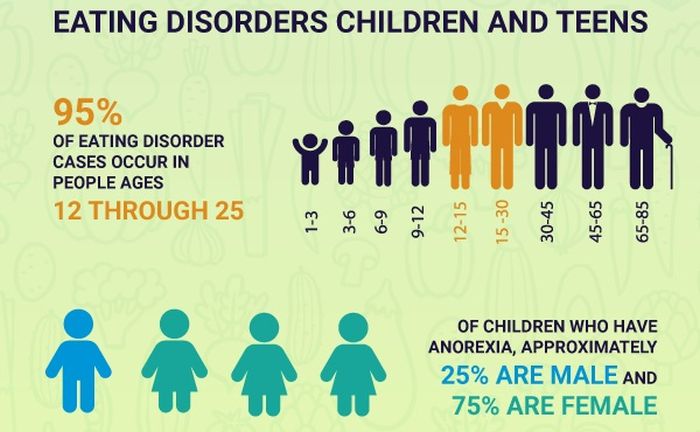
are complex mental and physical health conditions that frequently emerge during adolescence, affecting up to 13% of teens
by the time they turn 20. These disorders radically change how a teenager views food, exercise, and their own body weight.
Major Teen Eating Disorders-
- Anorexia Nervosa
: This condition involves extreme restriction of food and calorie intake, an intense fear of gaining weight, and a highly distorted body image. Teens with anorexia often see themselves as overweight even when severely underweight, and they may use excessive exercise or fasting to control their weight.
- Bulimia Nervosa
: Characterized by a cycle of "bingeing and purging". A teen will eat a large amount of food in a short period while feeling a total loss of control, followed by panicked attempts to compensate. This purging typically involves self-induced vomiting, misusing laxatives, fasting, or over-exercising. Unlike anorexia, teens with bulimia are often at a normal weight or slightly overweight, making it harder to spot.
- Binge Eating Disorder (BED)
: This involves frequent, uncontrollable episodes of eating large quantities of food rapidly, often to the point of physical discomfort. Unlike bulimia, it is not
followed by purging behaviors. Teens experiencing BED often feel severe guilt, shame, and distress after a binge.
- Avoidant/Restrictive Food Intake Disorder (ARFID)
: Unlike the disorders above, ARFID is not driven by body image issues
or a fear of gaining weight. Instead, a teen severely limits their food intake due to a lack of interest in eating, an extreme sensitivity to food textures/smells, or fear of choking or vomiting.
Adolescents struggling with eating disorders often display noticeable shifts in their routines, social interactions, and relationship with food.
Warning Signs & Behavioral Symptoms
- Social Isolation:
Withdrawing from friends, abandoning hobbies, and actively avoiding family meals or social events centered around food
- Rigid Eating Rituals:
Cutting food into tiny pieces, eating exceptionally slowly, or strictly eliminating entire food groups without a medical reason.
- Secretive Behaviors:
Disappearing to the bathroom immediately after eating, hiding food wrappers, or eating in secret late at night.
- Hyper-Fixation on Appearance:
Frequently checking the mirror for perceived flaws, obsessively weighing themselves, or wearing baggy clothing to hide their body shape.
- Compulsive Movement:
Exercising excessively regardless of weather, injury, or fatigue, often driven by intense guilt after eating.
Physical Symptoms
- Weight Fluctuations:
Dramatic, rapid weight loss or unexpected cycling up and down.
- Gastrointestinal Issues:
Frequent stomach cramps, chronic constipation, acid reflux, or nausea.
- Cardiovascular & Vital Signs:
Chronic dizziness (especially upon standing), fainting spells, and a constant inability to tolerate the cold.
- Oral & Facial Changes:
Damaged tooth enamel, severe cavities, chronic sore throats, or noticeably swollen cheeks caused by repeated vomiting.
- Dermatological Signs:
Unusually dry skin, brittle nails, thinning hair, or the growth of fine body hair called lanugo.
- Hormonal Disruptions:
Irregular periods or the complete loss of a menstrual cycle.
Evidence-Based Treatments
- Psychotherapy:
- Family-Based Treatment (FBT):
Widely considered the gold standard for teen anorexia and bulimia, this approach actively empowers parents to assist with refeeding and monitoring recovery at home.
- Cognitive Behavioral Therapy (CBT-E):
Focuses on identifying and safely changing distorted thought patterns regarding body image, weight, and food.
- Medical Supervision:
Consistent monitoring by a primary care physician to track vitals, manage electrolyte imbalances, and reverse any immediate medical risks.
- Nutritional Counseling:
Working with a registered dietitian specializing in eating disorders to rebuild a healthy relationship with food, establish structured meal plans, and support steady nutritional rehabilitation.
- Psychiatric Medications:
While no medications directly cure eating disorders, doctors may prescribe options to manage co-occurring conditions like anxiety, OCD, or depression.
Destigmatizing Teen Eating Disorders
- Separate the Illness from the Person:
Frame the eating disorder as an external medical condition (e.g., "the illness is making them think this") rather than treating it as a choice or a personal character flaw.
- Challenge Dangerous Stereotypes:
Educate communities that eating disorders affect people of all genders, ethnicities, body sizes, and socioeconomic backgrounds—not just thin, affluent adolescent girls.
- Eliminate "Diet Talk" at Home:
Avoid praising weight loss, labeling foods as purely "good" or "bad," or discussing body shapes critically. Shift focus to what the body can do and overall well-being.
- Foster Open Mental Health Dialogues:
Create safe spaces where teenagers can talk about stress, depression, and social media pressures without facing judgment or immediate dismissal.
============
Create an Unhealthy Eating Advertisement that Targets Teens (5pts)
- Solor or with 1 other person
- Make an advertisements or targeted social media ad that
heavily promotes extreme weight loss, restrictive diets, or unrealistic body standards to vulnerable teenagers.
- Some ad ideas- Social media influencer, fast food, viral challenges, gamification and apps, celebrity endorsements, and peer pressure.
- Make sure names and period are on the back of your hazardous ad
============
Mental, Emotional, and Social Health Test Thursday- 20 Questions + 1 Project
Test Topics- Maslow's Hierarchy of Needs, Stress, Wellness Center, Self-Esteem, Healthy Relationships, Depression, Anxiety, PTSD, and Eating Dissorders
Day 9- Thursday September 3- Test Day 30pts
Mental, Emotional, and Social Health Test Today!
Part 1- Google Form Questions- 20pts
- 20 Questions
- Test Topics- Maslow's Hierarchy of Needs, Stress, Wellness Center, Self-Esteem, Healthy Relationships, Depression, Anxiety, PTSD, and Eating Dissorders
- All questions are MC or T/F
- You may use any handwritten notes that you would like
Part 2- Flipbook- 10pts
- Create a Flipbook on your own
- See examples in back of the room
- YouTube Video (How to make a Flipbook)
- Choose one topic below for your Flipbook content
- Maslow's Hierarchy of Needs
- Self-Esteem
- Depression
- Healthy Relationships
- Turn in to Coach Burrill when done
- Make sure full name is on back of Flipbook
Ask Coach B- 3rd Edition (Last 10min of Class)
Please do something quietly on your own when done with the test questions and project. We are only taking the test during class. There will not be anything else to complete for Health today.
Tuesday we will start a new unit on Alcohol, Tobacco, and Other Drugs.
Have a great weekend!
Fight On!
|
Week 3
Mental, Emotional, and Social Health |
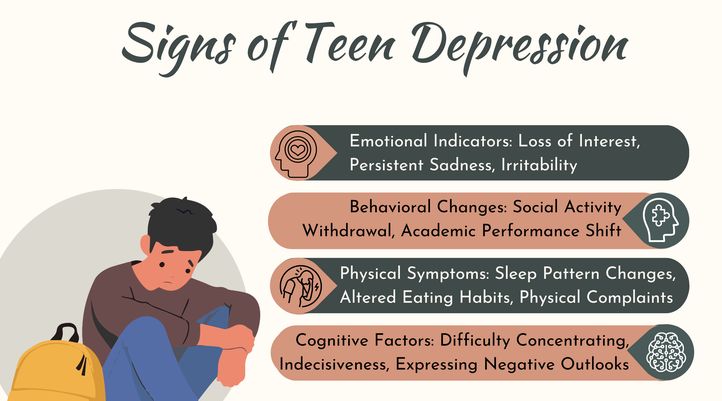
Day 5- Monday August 24- Depression
Syllabus- Last Page Signed Due Today!
Handout
If you or someone you know needs support, you can reach out to the 988 Suicide & Crisis Lifeline
by calling or texting 988.
Depression is a common, serious medical illness marked by
persistent low mood, loss of interest, and physical changes
. It is a real brain disorder, not a personal weakness, and it can be treated effectively with proper care.
Teen depression does not have a single cause. It usually happens because of
a mix of physical, emotional, and social factors
. Puberty brings fast changes in hormones and brain development, which can affect mood. Environmental stress, family history, and difficult life events also play big parts.
Video- Understanding Depression: What Teens and Young Adults Should Know
Signs and Symptoms
- Emotional:
Persistent sadness, emptiness, hopelessness, or severe irritability.
- Behavioral:
Loss of interest in hobbies, social withdrawal, or uncharacteristic anger.
- Physical:
Ongoing fatigue, sleep issues (insomnia or oversleeping), and appetite or weight shifts.
- Cognitive: Trouble focusing, making choices, or recurring thoughts of death.
Treatments
- Therapy:
Talk therapy, like cognitive behavioral therapy, helps change negative thought patterns.
- Medication:
Antidepressant drugs help rebalance brain chemicals.
- Lifestyle:
Daily movement, healthy sleep habits, and social support aid recovery.
- Combined Care:
Using both therapy and medicine works best for many people
Destigmatization
- Use Clear Language:
Treat mental health like physical health, and avoid harsh labels.
- Speak Openly:
Share honest experiences to make asking for help feel normal.
- Show Empathy:
Treat depression with the same care and respect as any other illness.
============
Today's Activity (5pts)
- Storyboard- 6 Story Segments
- Tell a story of a teen and depression (Can be real or made up)
- 6 Story Segments should be as follows-
- Title Picture
- Cause
- Signs
- Symptoms
- Treatment
- Destigmatization
If you or someone you know needs support, you can reach out to the 988 Suicide & Crisis Lifeline
by calling or texting 988.
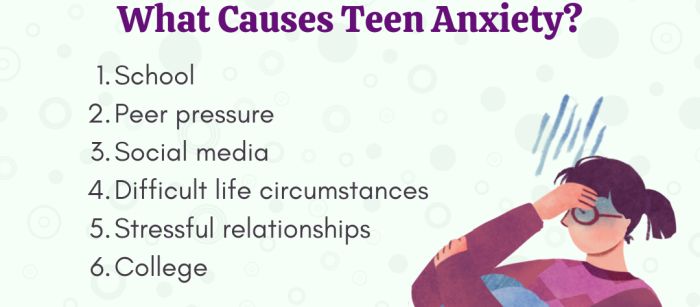
Day 6- Wednesday August 26- Anxiety
If you or someone you know needs support, you can reach out to the 988 Suicide & Crisis Lifeline
by calling or texting 988.
Anxiety in teens involves
intense fear, stress, or worry that disrupts daily life
. It shows up through emotional, behavioral, and physical changes. Effective care combines therapy and lifestyle habits, while stopping stigma requires open and honest conversations.
Video- Fight, Flight, Freeze!
Amygdala is
a pair of small, almond-shaped clusters of neurons located deep inside the brain. It acts as the body's primary danger detector, processing emotions like fear and anger, and triggering the fight-or-flight response
What causes teen Anxiety?- School, peer pressure, social media, difiicult life circumstances, stress, relationships, college, etc...
Symptoms of Teen Anxiety
- Emotional signs:
Constant worry, extreme mood swings, feeling on edge, or seeking too much reassurance
- Behavioral shifts:
Avoiding friends, dropping school performance, or pulling away from favorite hobbies.
- Physical complaints:
Frequent headaches, stomach aches, muscle tension, or trouble sleeping.
Treatments for Teen Anxiety
- Cognitive Behavioral Therapy (CBT):
Teaches teens how to change negative thoughts and slowly face fears instead of avoiding them.
- Medication:
Doctors may use SSRI antidepressants if the anxiety is severe.
- Healthy routines:
Regular exercise, good sleep habits, and balanced nutrition support recovery.
- Art Therapy can work together because art gives teens another way to communicate. A teen who struggles to say “I feel trapped” might draw a locked door. A teen who cannot explain why school feels overwhelming might create a collage filled with clocks, grades, crowded hallways, and unread messages.
Destigmatizing Anxiety
- Talk openly:
Treat mental health the same as physical health by discussing feelings without shame.
- Avoid bad labels:
Do not call a teen "weak" or "dramatic" for feeling stressed.
- Normalize the experience:
Remind teens that anxiety is a common medical condition, not a personal failure
Today's Activity (5pts)- Worry Buster Tear Sheet
- May work with a partner
- Must be on a regular blank piece of paper
- Hand draw your Tear Sheet
- Need at least 5 tabs (coping stratagies)
- Activity Guildelines
- The Tear Sheet:
a sheet featuring a central prompt like "Feeling Worried or Nervous? Take a Calm-Down Idea".
- The Tabs:
The bottom of the sheet has vertical cuts creating perforated or snippable tabs (strips).
- The Action:
A teen experiencing stress or worry tears off one tab.
- The Strategy:
The teen reads the coping mechanism on the strip and performs it (e.g., taking five slow breaths, counting to ten, or doing a grounding exercise)
- More Tab Ideas- Breathing, think happy place, play a game, stretch, counting, draw something, sing/hum, use a fan, healthy snack, etc...
Youth & Teen Support Helplines
- Teen Line:
A unique, confidential teen-to-teen helpline. Call 1-800-852-8336
(6:00 PM to 10:00 PM PST) or text TEEN to 839863
(6:00 PM to 9:00 PM PST). Outside these hours, calls automatically route to adult crisis counselors.
- NAMI Teen & Young Adult HelpLine:
Nationwide peer support offering information and resources. Call 1-800-950-6264
or text Friend to 62640
(Monday through Friday, 10:00 AM to 10:00 PM ET).
If you or someone you know needs support, you can reach out to the 988 Suicide & Crisis Lifeline
by calling or texting 988.
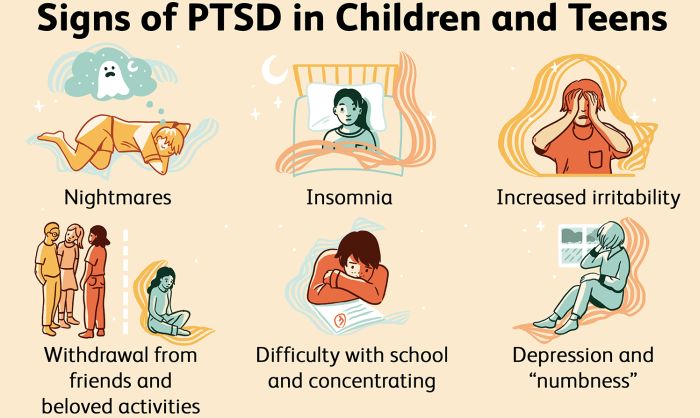
Day 7- Friday August 28- PTSD
If you or someone you know needs support, you can reach out to the 988 Suicide & Crisis Lifeline
by calling or texting 988.
Ask Coach B- 2nd Edition
Teen post-traumatic stress disorder (PTSD) involves severe emotional and physical reactions after a deeply stressful event. Common symptoms include
flashbacks, avoidance of triggers, negative mood changes, and hyperarousal
. Effective treatments rely on trauma-informed therapies like CBT and EMDR, while destigmatization requires open education and empathetic support from families and communities
Video- PTSD in Teens and Children: It's Real
Google Doc- What is Trauma?
Google Doc- Trauma Reactions
Common Causes of PTSD in Teens
- Severe accidents:
Car, bus, or plane crashes.
- Violence:
Physical or sexual assault, abuse, or community violence.
- Natural disasters:
Wildfires, earthquakes, or severe floods.
- Medical trauma:
Life-threatening diagnoses or painful procedures.
- Loss or fear:
Sudden loss of a loved one, severe bullying, or acts of terrorism.
Symptoms of Teen PTSD
- Intrusive memories:
Nightmares, flashbacks, or unwanted vivid thoughts about the event.
- Avoidance:
Staying away from places, people, or topics that bring back memories of the trauma.
- Negative mood changes:
Ongoing sadness, guilt, numbness, or loss of interest in normal activities.
- Hyperarousal:
Being easily startled, constantly on edge, irritable, or having trouble sleeping and concentrating
Treatments for Teen PTSD
- Trauma-Focused Cognitive Behavioral Therapy (TF-CBT):
Helps teens process memories and change unhelpful thoughts in a safe space.
- Eye Movement Desensitization and Reprocessing (EMDR):
Uses guided eye movements to help the brain reprocess upsetting and stuck memories.
- Medication:
Doctors may occasionally prescribe anti-anxiety or antidepressant medications to help manage severe distress.
- Family Support:
Caregiver involvement builds safety and helps extend healing from the therapist's office into the home
Destigmatizing Teen PTSD
- Use clear education:
Teach teens and adults that PTSD is a physical and psychological injury from stress, not a personal weakness.
- Encourage open dialogue:
Normalize talking about mental health and trauma in schools and homes without judgment.
- Share stories:
Lift up real experiences of recovery to show that getting help leads to healing and strength.
Today's Activity (5pts)
- Solo Project
- Share Presentation with Casey Burrill
- Google Slides Presentation- 7 Slides
- Slide 1- Title Slide
- Slide 2- Define PTSD
- Slide 3- Why teens are different
- Slide 4- Symptoms
- Slide 5- Hidden Signs
- Slide 6- Recovery Methods
- Slide 7- Teen PTSD Resources
If you or someone you know needs support, you can reach out to the 988 Suicide & Crisis Lifeline
by calling or texting 988.
Test coming your way end of next week... (25 questions, 25 points)
|
Week 2
Mental, Emotional, and Social Health |
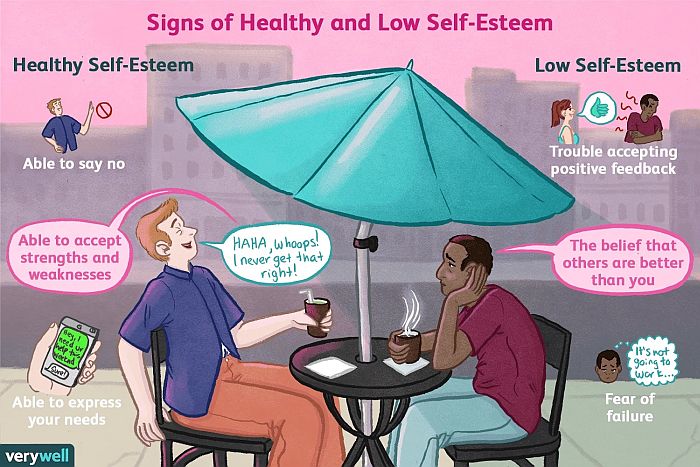
Day 3- Tuesday August 18- Self-Esteem
Syllabus- Last Page Signed Due Friday!
Review Maslow's Hierarchy of Needs
Self-Esteem
Self-esteem means feeling good about yourself. People with self-esteem feel liked and accepted. They’re proud of what they do and believe in themselves. People with low self-esteem are hard on themselves and think they’re not good enough.
Building self-esteem as a teenager takes time and practice. Key steps include
challenging negative self-talk, setting realistic goals, surrounding yourself with supportive people, and practicing self-compassion.
Daily Habits
- Notice your inner voice
: Catch yourself when you are being too hard on yourself.
- Reframe negative thoughts
: Change unfair or harsh thoughts into kind, realistic statements.
- Write down wins
: List three good things or small successes that happened each day.
- Limit social media
: Step away from apps or accounts that make you feel bad about yourself.
Growth and Action
- Set small goals
: Pick easy, achievable targets and work toward them step by step.
- Try new hobbies
: Find an art, sport, or skill you enjoy just for fun.
- Help others
: Do small acts of kindness or volunteer to boost your sense of purpose.
- Choose good friends
: Spend time with people who respect you and treat you well.
Article- How Can I Improve My Self-Esteem?
- Read Article
- Discuss Article
- Google Slide Assignment
- 5 Slides
- Each Slide Needs Text and Images
- Positive Self Esteem strategies you use or may try
- Due at end of class today
- Share Google Slide with Coach B
What can you do if you have severe self-esteem issues?
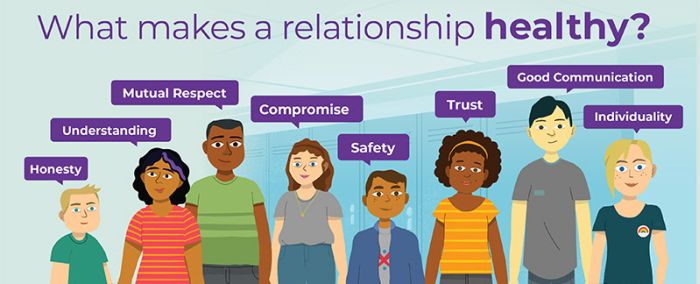
Day 4- Thursday August 20- Healthy Relationships
I want your parent signature on your Syllabus!!
End of the Week- Ask Coach B (Every Thursday or Friday)
Healthy Relationships-
Healthy relationships for teenagers are built on
mutual respect, clear boundaries, and open communication
. They allow both people to feel safe, valued, and supported while keeping their own friends, hobbies, and independence
Key Signs of a Healthy Relationship=
- Respect:
You value each other's thoughts, feelings, and personal boundaries without making fun of them.
- Trust and Honesty:
You feel safe to tell the truth and do not need to check up on each other constantly.
- Independence:
You both have time for school, family, and other friends outside of the relationship.
- Good Communication:
You can talk through disagreements calmly and listen without judging.
- Consent:
Both people always agree on what they are comfortable doing, and "no" is always respected.
Warning Signs of an Unhealthy Relationship-
- Control:
One person demands to know where you are at all times or tells you who you can see.
- Disrespect:
Constant teasing, put-downs, or making you feel bad about yourself.
- Pressure:
Being forced or pressured to do things you do not want to do.
- Fear:
Feeling nervous, anxious, or scared of making the other person angry.
Core Rules for Healthy Digital Boundaries-
- Set availability limits:
You do not need to reply to texts or messages immediately. It is okay to turn off notifications or step away.
- Keep private info private:
Do not share passwords, home addresses, or sensitive personal photos, even with close online friends or partners.
- Recognize pressure and control:
Expecting constant location sharing, rapid replies, or demanding passwords are signs of an unhealthy or toxic dynamic.
- Value face-to-face time:
Real-life hangouts build social skills and emotional cues that texting and screens cannot replace.
Video- Healthy Online Relationships
- Watch Video
- Discuss Video
Article- Am I in a Healthy Relationship?
- Read Article
- Discuss Article
- Google Slide Assignment (5pts)
- Share Google Slide Presentation with Coach B
- 5 Slides
- Pick a "Friend"- Online or in Person Relationship
- Do not name your friend- Refer to this person as "Casey"
- Slide 1- Is this person you have chosen a "Healthy" Friend?
- Slides 2-5- Each of the 4 slides should support your decision or a Healthy or Unhealthy Relationship
West Ranch Wellness Center Visit
|
Week 1
Mental, Emotional, and Social Health |
Day 1- Wednesday August 12
Syllabus
Class Rules
Topics Covered in this Class- Google Slides
About Coach B
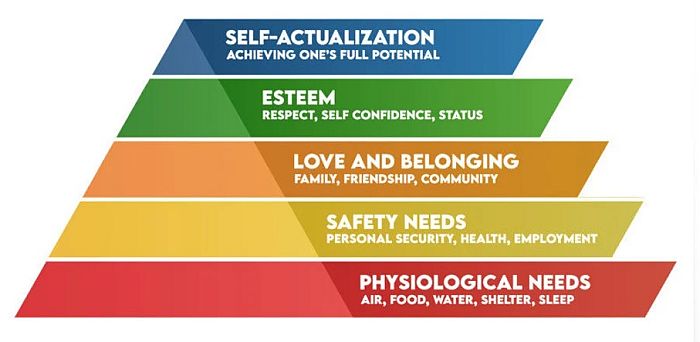
Day 2- Friday August 14- Maslow's Hierarchy of Needs
Start of Class-
- Collect Signed Syllabus
- Seating Chart Day- Sit next to a friend
Information for Today-
- Maslow's Hierarchy of Needs-
- Maslow's hierarchy of needs is
a psychological theory of motivation proposing that human beings are driven by five tiered categories of needs
- Video- Maslow Hierarchy of Need
- Stress-
- Flight, Fight, or Freeze Responses
- Stress is a natural physical and mental response
to challenging, demanding, or threatening situations.
- Physical:
Frequent tension headaches, muscle tightness, chest pain, constant fatigue, trouble sleeping, or digestive issues.
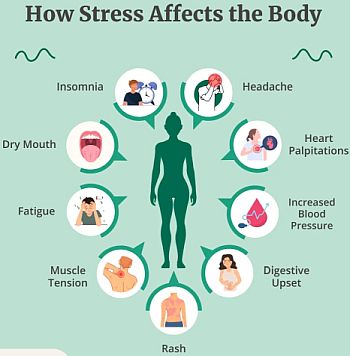
- Emotional:
Feelings of anxiety, constant worry,irritability, sadness, or a sensation of being easily overwhelmed.
- Behavioral:
Changes in appetite, socialwithdrawal, difficulty concentrating, grinding teeth, or an increased reliance on alcohol or substances
- Stress Mamagement Techniques
- Practice Deep Breathing:
Slow, focused breaths signal your nervous system to trigger the "relaxation response," effectively counteracting your body's fight-or-flight reaction.
- Stay Physically Active:
Regular exercise releases endorphins, which act as natural mood lifters and help relieve accumulated muscle tension.
- Set Firm Boundaries:
Learn to analyze your schedule and say "no" to non-essential responsibilities that overwhelm your capacity.
- Connect with a Support System:
Talking through your challenges with trusted friends, family members, or peers can significantly reduce the emotional burden.
- Video- Reduce Physical Stress Video
- Video- Square Breathing Exercise Video
- Article- Examples of High Stress Jobs
- Website- Get Your Stress Score
- Student Drawing- 5pts (Due at end of class)
- Front- Maslow's Hierarchy of Needs- Make Personal
- Back-Picture of You Stressed W/ Symptoms
- Wellness Center
-
|
|