Here is information about fencing in the Olympics
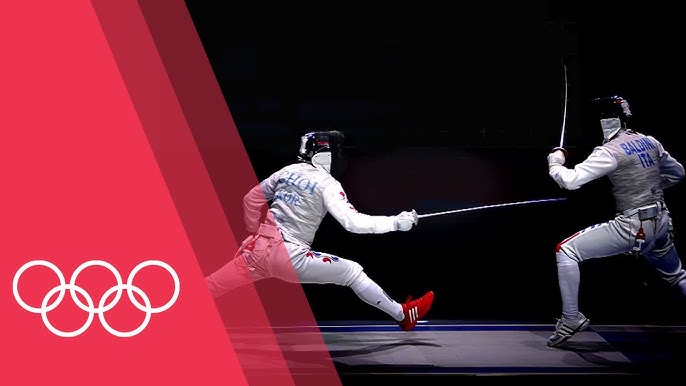
🤺 What is Olympic fencing?
Fencing is a 1-on-1 sword sport where athletes try to score points by touching their opponent with a weapon.
There are 3 weapons:
⚔️ 1. Foil
- Light, flexible sword
- You only score by hitting the torso (chest/back area)
- Very technical and strategic
⚔️ 2. Épée
- Heavier sword
- You can hit anywhere on the body
- First to hit wins the point (no “priority” rules)
⚔️ 3. Sabre
- Fastest and most aggressive
- You can score with the edge or tip of the blade
- Target area = upper body (waist up)
🏟️ How Olympic fencing matches work
- 1 vs 1 elimination bracket
- First to 15 points wins (or whoever leads after time ends)
- Matches are split into 3 rounds of 3 minutes
- If tied → sudden death overtime (first point wins)
🥇 Olympic fencing events
There are 12 total events:
- Men: foil, épée, sabre (individual + team)
- Women: foil, épée, sabre (individual + team)
📜 A bit of Olympic history
- Fencing has been in every modern Olympics since 1896
- Women’s events were added gradually (foil first in 1924, all weapons later)
- It became an organized global sport with standardized rules in the early 1900s
⚡ What makes Olympic fencing special?
- ⚡ Very fast reactions (points can happen in less than a second)
- 🧠 Heavy strategy (timing, feints, footwork)
- 🤖 Electronic scoring (the gear detects touches automatically)
- ⚖️ Referees still judge some situations like priority in foil and sabre
👍 Simple summary
Olympic fencing is:
- 🤺 3 types of sword fighting (foil, épée, sabre)
- 🥇 1v1 matches to 15 points
- ⚡ Extremely fast and strategic
- 🏅 One of the oldest Olympic sports