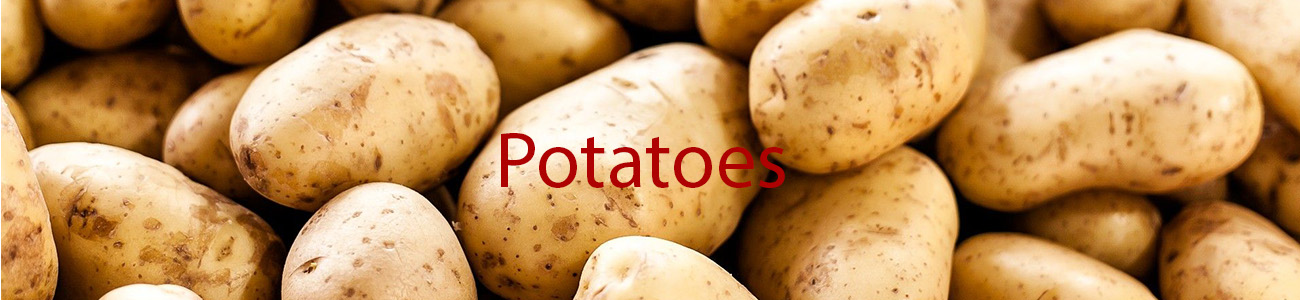
Potatoes are a staple food crop grown worldwide, ranking as the world's fourth-largest food crop after maize, wheat, and rice. Originating in the Andes mountains of South America, they were first domesticated by indigenous peoples thousands of years ago before being introduced to Europe by Spanish explorers in the late 16th century. The plant itself is a perennial from the Solanum genus, part of the nightshade family, and the edible part is the tuber—an underground storage organ that provides essential nutrients and energy for the plant's new growth
These versatile tubers are highly nutritious and can be prepared in countless ways, including baking, boiling, frying, and roasting. They are an excellent source of complex carbohydrates, potassium, and Vitamin C, and their skin is particularly rich in fiber. The versatility extends to their vast diversity; there are over 4,000 different varieties of potatoes, each with unique textures, colors, and flavors. Common classifications often divide them into starchy (like Russet), waxy (like Red Bliss), or all-purpose types (like Yukon Gold), each suited for different culinary applications
The cultivation of potatoes has had a profound impact on global history and population growth, particularly in Europe, where they helped alleviate famine and provided a reliable, high-yield food source. Today, major producers include China, India, Russia, and the United States. They remain a crucial component of food security globally due to their adaptability to various climates and efficient production of calories per acre, making them an essential and enduring part of the human diet