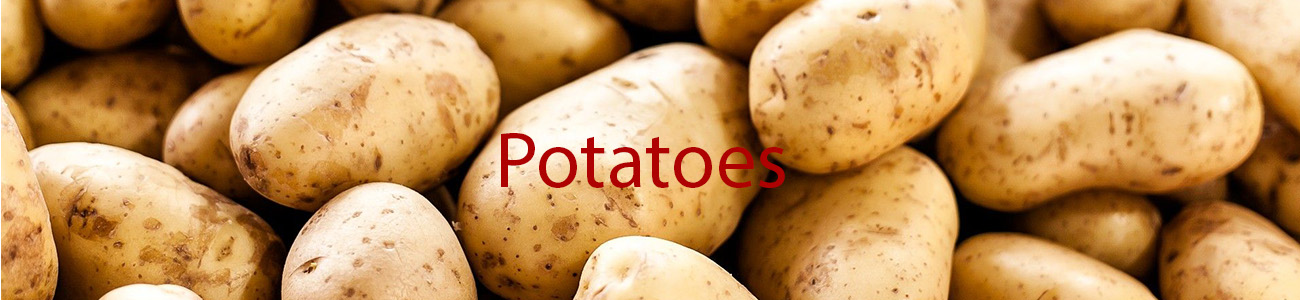
The history of the potato begins in the Andean mountains of South America, where it was first domesticated by indigenous peoples, including the Incas, over 7,000 to 10,000 years ago. Thriving in the high-altitude, cold-resistant environment, the potato became the primary energy source for these pre-Columbian societies. Andean farmers developed sophisticated techniques, such as freeze-drying the tubers to create chuño, a lightweight and long-lasting food source that sustained populations through harsh winters and famines and provisioned Inca armies. The potato was deeply interwoven into their culture, used as a measure of time and even depicted in ceremonial pottery.
Spanish explorers first encountered the potato in the 16th century and brought it back to Europe in the late 1500s. Initially, the unfamiliar tuber was met with suspicion and fear, with some Europeans believing it to be poisonous or "the devil's apples" due to its underground nature and relation to the nightshade family. It was primarily used as livestock fodder or grown as an exotic botanical garden curiosity for decades. Acceptance was slow until the 18th century when leaders like Prussia's King Frederick the Great and French pharmacist Antoine-Augustin Parmentier promoted it as an anti-famine measure. Its ability to yield abundant calories in poor soil conditions eventually made it a reliable and cheap food source, significantly changing dietary habits and contributing to a major population boom across Europe.
The global spread of the potato, part of the wider Columbian Exchange, fundamentally altered world history. In Europe, its nutritional value and high yield provided food security that helped mitigate famines and supported the growing urban populations needed for the Industrial Revolution. British traders and other explorers introduced the crop to Asia and Africa, where it also became a staple in many regions. However, the dependence on just a few potato varieties (which lacked genetic diversity) made the crop vulnerable to disease, leading to catastrophic events like the Irish Potato Famine of the 1840s. This tragedy highlighted the risks of over-reliance on a single crop, even as the potato cemented its role as a crucial component of the global food supply.