
Olympic medals are awarded for first (gold), second (silver), and third (bronze) place in events, with unique designs by host cities, but generally feature Nike, the Greek goddess of victory, and meet specific material (gold medals have 6g gold on silver) and size standards (at least 70mm wide, 3mm thick). Michael Phelps is the most decorated Olympian ever with 28 medals, and designs change, though the tradition started in 1904. Medal Composition & Specs (Tokyo 2020 as example) Gold: ~92.5% silver, with at least 6g of pure gold plating. (About 556g). Silver: Pure silver (at least 92.5%). (About 550g). Bronze: Primarily copper (approx. 95%) and zinc (approx. 5%). (About 450g). Size: At least 70mm diameter, 3mm thick (Tokyo 2020 was 85mm wide, 12mm thick at max). History & Design Origin: Gold, silver, bronze system began at the 1904 St. Louis Games; first place originally got silver and an olive branch. Design: Varies by host city, but must include Olympic rings and meet size/material rules. Obverse (Front): Traditionally featured Nike and a stadium (Colosseum, later Panathenaic Stadium). Reverse (Back): Varies, often featuring host city symbols. Medal Counts Olympic medal counts work by ranking countries primarily by the number of gold medals won, then using silver, and then bronze as tie-breakers, although some sources also track total medals (gold + silver + bronze) or use weighted systems (like 3 points for gold, 2 for silver, 1 for bronze) for different perspectives. The International Olympic Committee (IOC) provides these tables for information, emphasizing gold as the top metric, but different news outlets might display rankings by total count or per capita. How the Official Ranking Works (IOC Standard) Gold is King: Countries are listed from most golds to fewest. Silver Tie-Breaker: If two nations have the same number of golds, the one with more silvers ranks higher. Bronze Tie-Breaker: If gold and silver counts are tied, bronze medals decide the ranking. Other Ways Medals Are Counted Total Medals: A simple sum of all golds, silvers, and bronzes, often used by media to show overall success (e.g., USA often leads this). Weighted System: Some systems assign points (e.g., 3 for gold, 2 for silver, 1 for bronze) to rank performance, which can change rankings significantly. Per Capita: Ranks countries based on medals relative to their population size. Key Takeaway: While the official table prioritizes golds, remember that a country might have more total medals (including silvers and bronzes) than the country ranked above them on the gold-focused list. 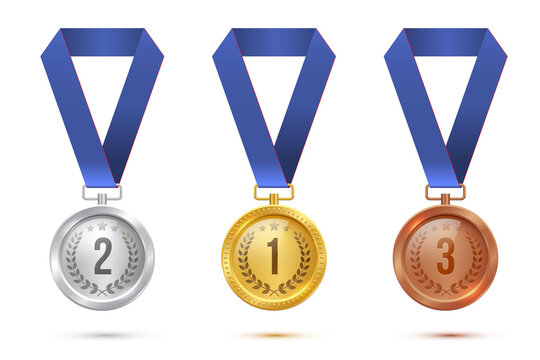 |