

The Basics of Storing Football Cards
Proper storage is one of the most important parts of football card collecting. Whether a collector is focused on modern rookies, vintage Hall-of-Famers, sealed products, or rare autographed cards, good storage practices protect both the physical condition and long-term value of the collection. Damage caused by poor storage—such as bending, fading, moisture, or surface wear—can reduce a card’s worth dramatically. Understanding the fundamentals of football card storage helps collectors preserve their investments and keep their collection in top condition.
Protective Supplies and Why They Matter
The first step in safe storage is choosing the right protective supplies. The most basic item used by nearly every collector is the penny sleeve, a thin plastic protector designed to safeguard the card from minor scratches and fingerprints. For extra protection, many collectors place sleeved cards into top loaders, which are rigid plastic holders that prevent bending and corner damage. For cards of higher value, card savers are often used, especially for grading submissions, because they hold the card firmly without causing pressure.
Premium cards—such as autographs, patches, short-prints, and vintage pieces—are often stored in magnetic one-touch cases. These display-friendly holders offer excellent protection, but collectors must ensure the correct thickness is chosen, as forcing a card into an undersized case can cause irreversible harm.
For graded cards, which come encased in plastic slabs, the main concern is preventing scratches on the outer shell. Many collectors use graded card sleeves or protective bags to keep the slab in pristine condition.
Organizing and Labeling a Collection
Proper storage is not only about protection—it also includes efficient organization. Many collectors sort their cards by player, team, brand, year, or card type. Using storage boxes, such as 200-count or 800-count cardboard boxes, helps keep raw cards neat and easy to access. Larger collections often use multi-row “monster boxes,” which can hold thousands of sleeved cards.
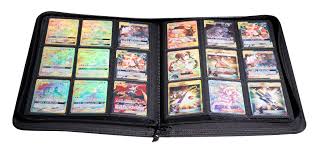
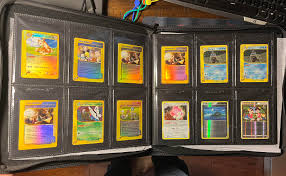
For collectors who enjoy displaying their cards, binders with 9-pocket pages offer an attractive option. However, these should be used primarily for lower-value cards, as binder pages can bend or warp over time if overloaded. Labeling boxes and binder sections helps prevent accidental mishandling and makes the collection easier to navigate.
Environmental Conditions and Long-Term Preservation
Even the best supplies won’t matter if cards are stored in harmful environments. Temperature and humidity control are critical. Football cards should be kept in a cool, dry place, ideally between 60–75°F (15–24°C). Excessive heat can warp plastic holders and cause card stock to curve. Moisture is especially dangerous, leading to mold, fading, or sticking between cards.
For this reason, collectors should avoid storing cards in basements, attics, garages, or areas near windows where sunlight can cause fading. Instead, stable, climate-controlled spaces—like bedrooms, offices, and dedicated hobby rooms—are ideal. Using silica gel packs inside storage drawers or sealed containers adds extra protection against humidity.
Storing Sealed Products
Many collectors also keep sealed football card boxes and packs as long-term collectibles. Keeping these items in shape requires special care. Boxes should be stored flat to avoid crushing the corners, and they should be kept away from weight or pressure that could damage the shrink-wrap. Retail blister packs and hanger boxes should not be hung for long periods, as the hanging tab can weaken or tear. Dark, temperature-controlled storage is best for preserving the integrity of sealed products.
Digital Cataloging and Insurance
As collections grow, some collectors choose to catalog their inventory using spreadsheets or card-tracking apps. This makes it easier to keep track of duplicates, want-lists, and overall value. For high-value collections, insurance may also be worth considering. Many homeowner and renter insurance policies don’t cover collectibles by default, so specialized coverage ensures protection in case of loss, theft, or damage.
Conclusion
Storing football cards properly is essential for maintaining their appearance, value, and longevity. With the right supplies—sleeves, top loaders, one-touches, storage boxes—and a focus on environment and organization, collectors can ensure their cards stay in excellent condition for years to come. Effective storage not only protects the investment but also makes the hobby more enjoyable by keeping the collection clean, accessible, and easy to display. Whether a collector owns a small personal set or thousands of cards, good storage habits are the foundation of responsible card collecting.