.jpg)
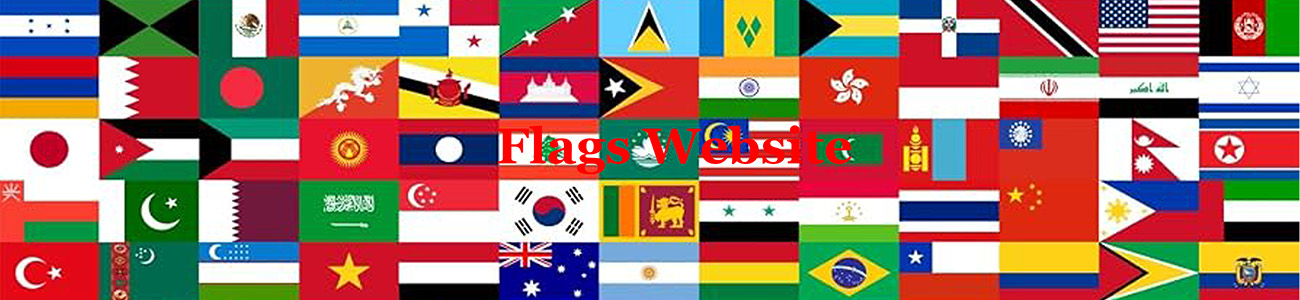
Throughout human civilization, flags have evolved from mere tactical battlefield markers into powerful symbols of national identity, resilience, and hope. The earliest flag-like standards emerged in ancient Egypt and 11th-century BC China to guide armies and signal leadership. Over the centuries, these pieces of fabric transformed into deeply emotional emblems that embody a people's history and struggle. The iconic Betsy Ross Flag, featuring 13 stars and stripes, visually unified the original colonies during the American Revolution. During the War of 1812, the massive Star-Spangled Banner survived the intense bombardment of Fort McHenry, inspiring the lyrics of the United States national anthem. Centuries later, an Ohio high school student designed the current 50-star American flag for a class project, proving that citizens of any age can shape national symbols. Across the globe, national flags tell vibrant stories of revolution, independence, and shared values. The French Tricolor, born from the 1789 French Revolution, popularized the vertical three-band layout to represent the ideals of liberty, equality, and fraternity. South Africa's modern flag incorporates a bold "Y" shape to symbolize the convergence and unity of a diverse society after the end of apartheid. The design of India's tricolor prominently features the Ashoka Chakra, a 24-spoke wheel representing the eternal law of righteousness. In South America, Brazil’s flag showcases a starry sky over Rio de Janeiro as it appeared on the day the republic was declared in 1889. Looking to the ancient world, Denmark's Dannebrog holds the record as the oldest continuously used national flag, carrying centuries of maritime heritage. Many nations intentionally broke traditional design conventions to preserve their unique cultural narratives. Nepal stands out globally by flying the only non-rectangular national flag, using two stacked triangles to mimic the peaks of the majestic Himalayas. The flag of Bhutan features the "Druk" or Thunder Dragon, symbolizing the deep spiritual protection of the nation. For Canada, the iconic red maple leaf was adopted in 1965 to create a distinct, non-colonial identity inspired by the sacrifices of Canadian soldiers in World War I. Mozambique’s flag depicts an AK-47 rifle crossed with a hoe, providing a stark visual reminder of the defense and agricultural labor required to secure independence. Similarly, the historic Commodore Perry Flag rallied American sailors during naval combat with the bold, unforgettable inscription, "Don't give up the ship!". In times of crisis and exploration, flags have served as ultimate beacons of triumph. The legendary "Old Glory" flag became a treasured relic of resilience when a 19th-century sea captain hid it inside his bedding to protect it from Confederate forces. Decades later, the deployment of the American flag during the 1980 "Miracle on Ice" Olympic hockey game offered profound emotional healing to a nation facing geopolitical crises. When astronauts planted the flag on the moon during the Apollo 11 mission, it ceased to be a symbol of just one nation and became an emblem of human potential. In daily life, the rules outlined in traditional flag etiquette ensure that these historic emblems are treated with the highest degree of honor and respect. Ultimately, a flag does not merely represent a piece of land; it stands as a living testament to a people's journey, sacrifices, and dreams for the future.