Thanksgiving food traditions are deeply rooted in cultural symbolism, regional diversity, and generational memory, making the holiday one of the most cuisine-centered celebrations in the United States.
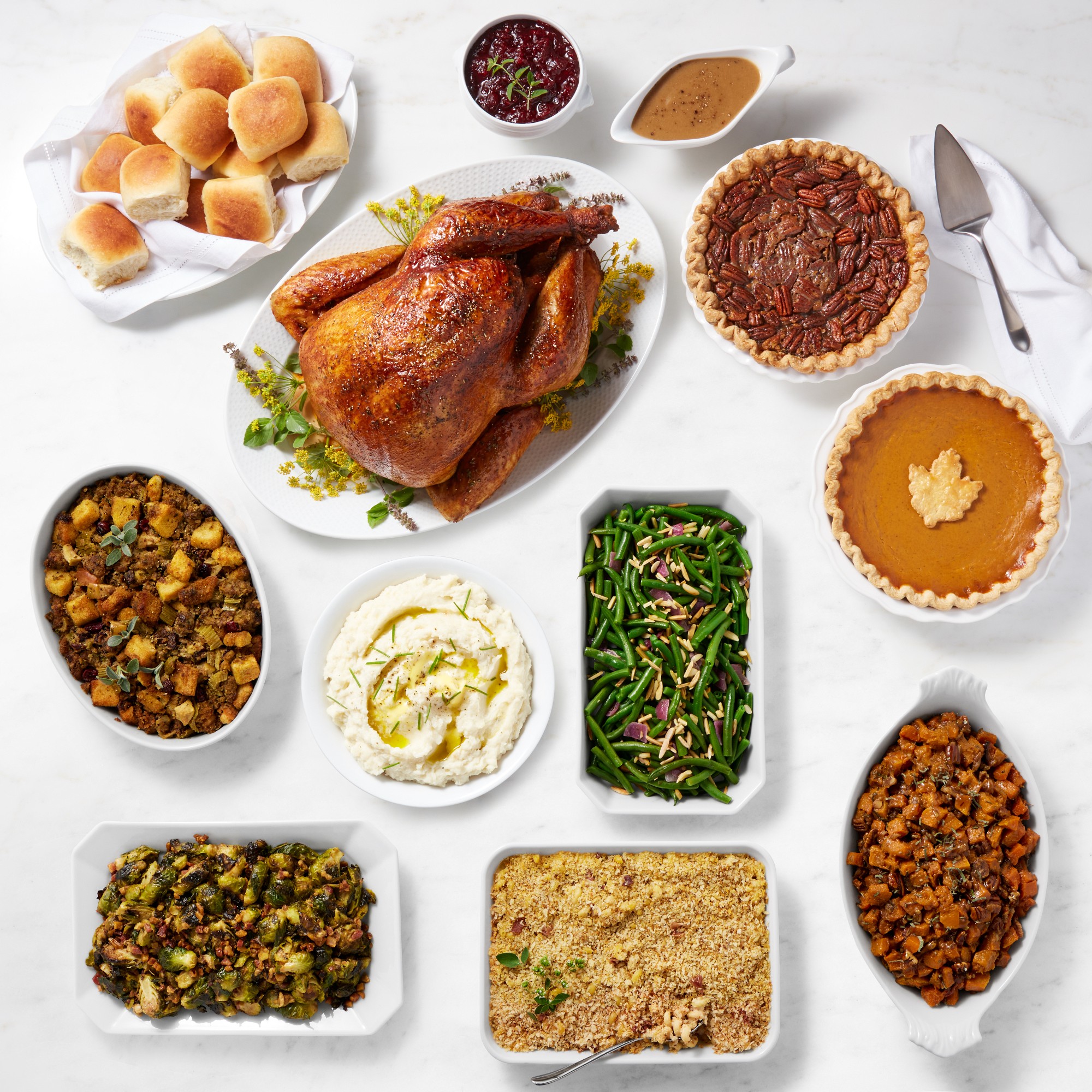
The centerpiece of Thanksgiving food culture is turkey, a bird that became emblematic of the holiday not because it was definitively served at the 1621 harvest feast, but because it was abundant, native to North America, and large enough to feed a crowd. Over time, turkey became the default main dish, reinforced by presidential proclamations and popular media.
Side dishes vary widely but often include mashed potatoes, stuffing (or dressing), cranberry sauce, and seasonal vegetables like squash, green beans, and corn. These reflect both the autumn harvest and the influence of Indigenous and colonial foodways. For example, corn and squash were staples in Native American diets long before European settlers arrived, and their inclusion in Thanksgiving meals honors that legacy.
Stuffing is a particularly regional dish. In the Northeast, it might include oysters; in the South, cornbread is common; and in other areas, sausage or dried fruit may be added. The dish is often customized to reflect family heritage, with recipes passed down through generations.
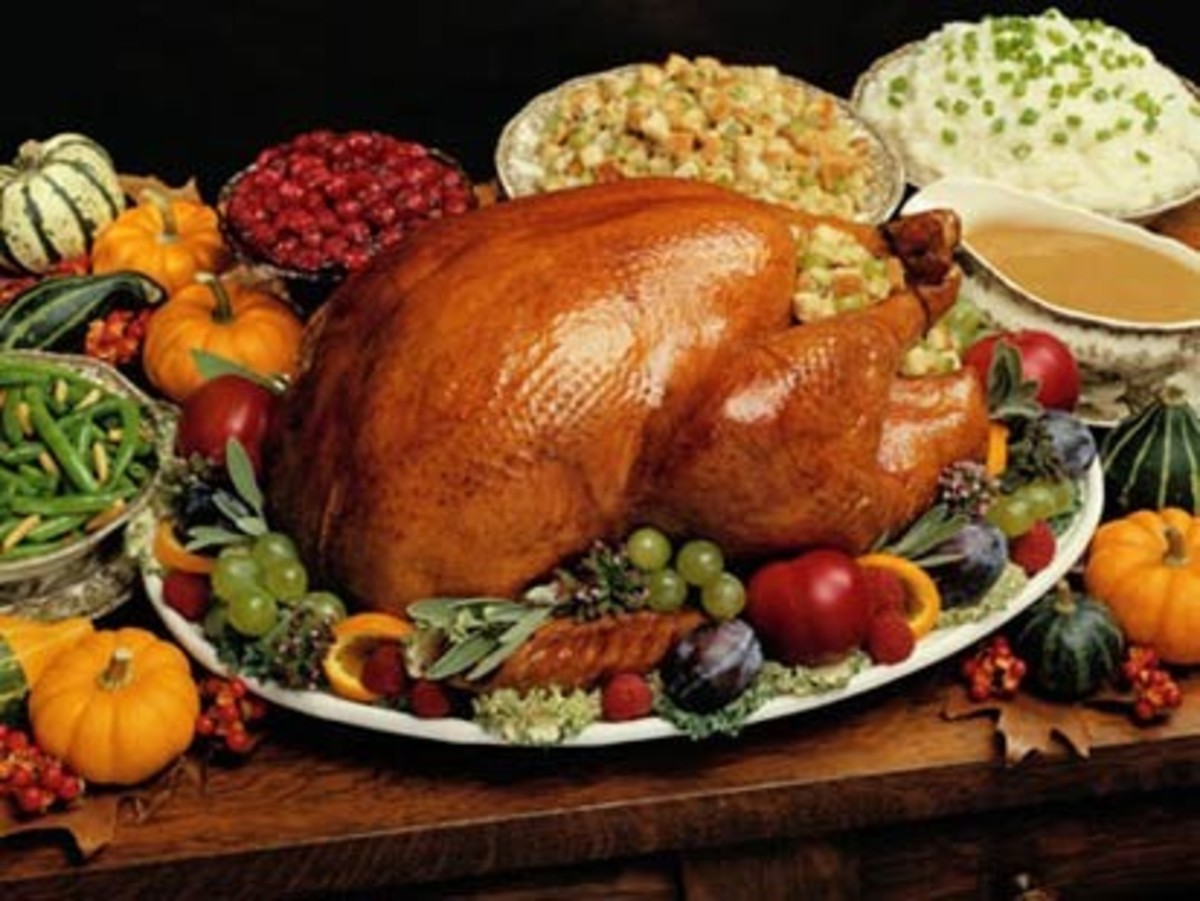 Cranberry sauce has its own evolution. Native to North America, cranberries were used by Indigenous peoples for food and medicine. Today, cranberry sauce ranges from homemade versions with whole berries to the iconic canned jelly, each evoking nostalgia in its own way.
Pumpkin pie is perhaps the most iconic dessert, symbolizing the season and the harvest. Pumpkins were cultivated by Native Americans and adopted by settlers, eventually becoming a staple in American baking. Other desserts like pecan pie, apple pie, and sweet potato pie reflect regional preferences and family traditions.
In some regions, sauerkraut is a surprising addition. German immigrants in the Mid-Atlantic brought the tradition of fermented cabbage, which became a Thanksgiving staple in parts of Maryland, Pennsylvania, and Ohio. Its tangy flavor balances the richness of other dishes and reflects the cultural mosaic of American food traditions.
Thanksgiving food also serves as a vehicle for memory and identity. Recipes are often tied to family stories, handwritten cards, or oral traditions. Preparing these dishes becomes a ritual, connecting people to their ancestors and to each other. The act of cooking and sharing a meal reinforces bonds and creates new memories.
Modern Thanksgiving tables may include vegetarian, vegan, or gluten-free options, reflecting changing dietary needs and values. Some families incorporate dishes from their cultural backgrounds—tamales, samosas, or rice and beans—making Thanksgiving a celebration of both tradition and inclusion.
Ultimately, Thanksgiving food is more than sustenance—it’s symbolic. It represents survival, gratitude, and community. Whether traditional or reimagined, the dishes served on this day carry emotional weight, telling stories of heritage, adaptation, and togetherness.