
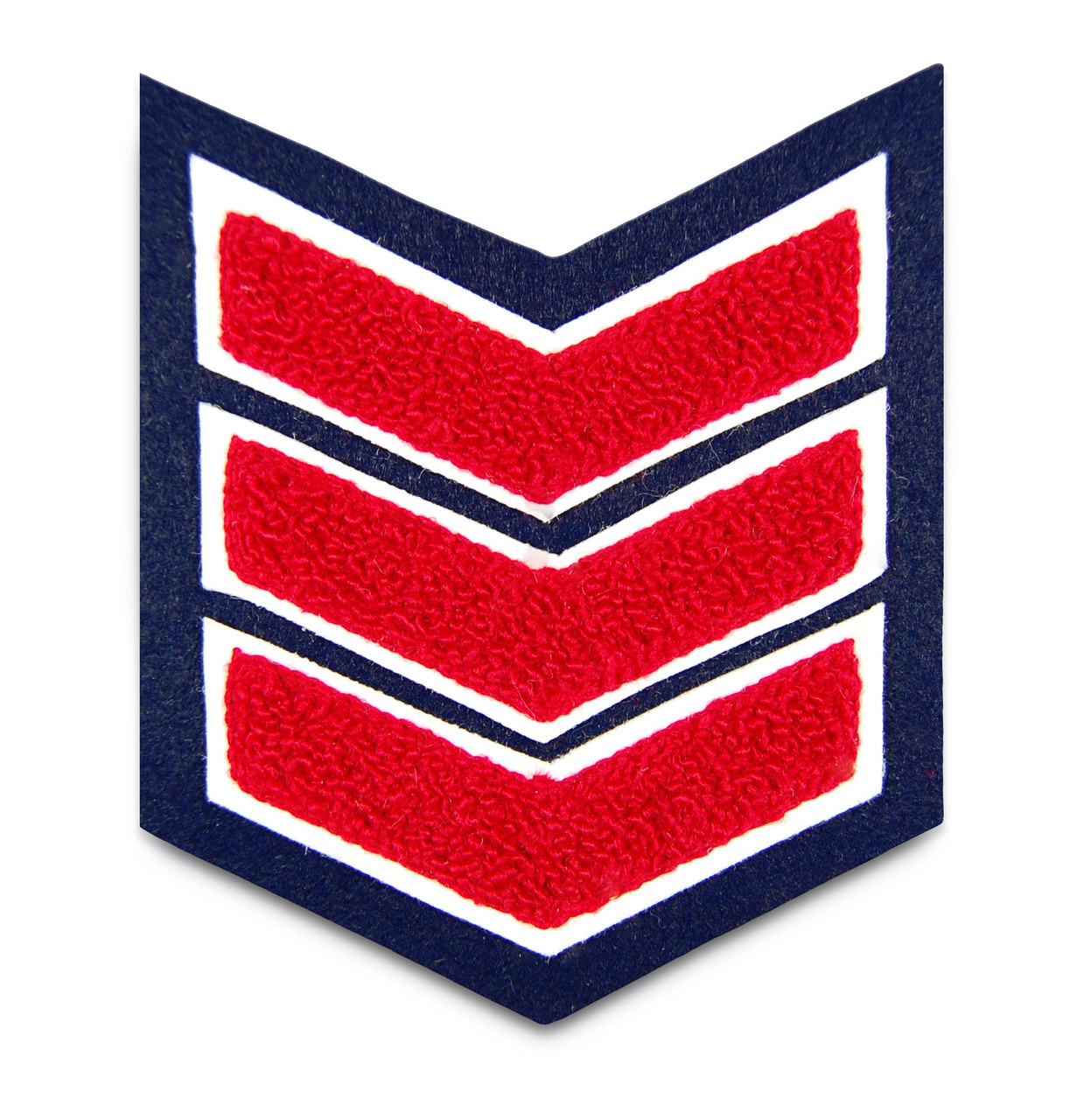
Bars on a letterman jacket represent achievements, typically in athletics, and are placed on the sleeves to signify years of participation or excellence. They’re a visual record of commitment, often overlooked in favor of larger patches, but they carry deep meaning and tradition.
Bars are usually small horizontal stripes, often made of chenille, and sewn onto the left or right sleeve. Each bar typically represents one year of varsity-level participation in a sport or activity. For example, a football player who played varsity for three years might have three bars stacked vertically on their sleeve. This system allows for quick recognition of experience and dedication.
There are several types of bars:
-
Year bars: The most common, each one denotes a year of varsity participation.
-
Captain bars: Sometimes a different color or style, these indicate leadership roles.
-
Special achievement bars: Used for honors like MVP, All-State, or academic excellence.
-
Multi-sport bars: Some schools use different colors or placements to show involvement in multiple sports.
Placement matters. Bars are usually sewn on the left sleeve, below the sport patch or above the cuff. However, some schools place them on the right sleeve or even the front chest area, depending on tradition or jacket layout. The key is balance—bars should be spaced evenly and aligned to avoid a cluttered look.
Customization has expanded bar use. Students now choose bar colors to match personal style or school branding. Some opt for metallic thread, glitter chenille, or embroidered bars instead of traditional felt. This personalization turns a simple stripe into a fashion statement.
Installing bars can be done in several ways:
-
Sewing: Most durable and traditional.
-
Iron-on backing: Easier for DIY but less secure.
-
Velcro patches: Rare, but used for removable customization.
Bars also appear in non-athletic contexts. Academic clubs, music ensembles, and debate teams use them to mark years of participation. This broadens the jacket’s appeal beyond sports, making it a symbol of all-around excellence.
In fashion, bars have taken on new meaning. Designers use them decoratively, sometimes without symbolic intent, to evoke varsity aesthetics. You might see jackets with faux bars in high-end streetwear or retro collections. These reinterpretations pay homage to tradition while embracing modern style.
Ultimately, bars are a subtle but powerful part of letterman jacket culture. They tell a story of growth, leadership, and loyalty—one stripe at a time.