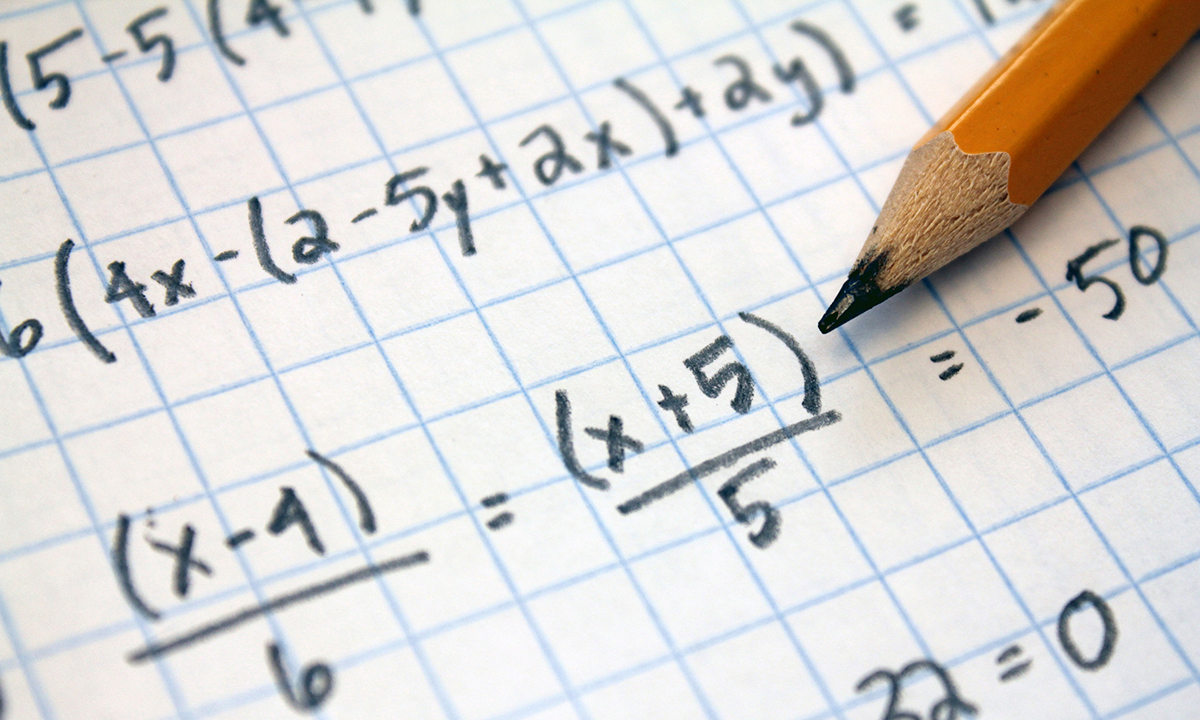
| The primary use of a calculator app is for everyday problem-solving and general calculations, such as balancing a budget, splitting a restaurant bill, or converting units of measurement for cooking or travel (e.g., currency, weight, length). In educational settings, students use calculator apps to tackle homework, explore complex mathematical concepts, and visualize data through graphing functions. Many apps designed for students offer step-by-step solutions to help them understand the problem-solving process, rather than just providing the final answer. |
 |
| Beyond basic and academic uses, specialized calculator apps cater to specific professional and personal needs, offering tailored functions for fields like finance, engineering, and health. Financial calculators assist with loan amortizations, interest rates, and budgeting, while engineering apps can handle integrals and derivatives. Other specialized examples include BMI (Body Mass Index) calculators, fuel consumption estimators, and even "vault" apps that use a calculator interface to hide private files behind a passcode. |
 |
|