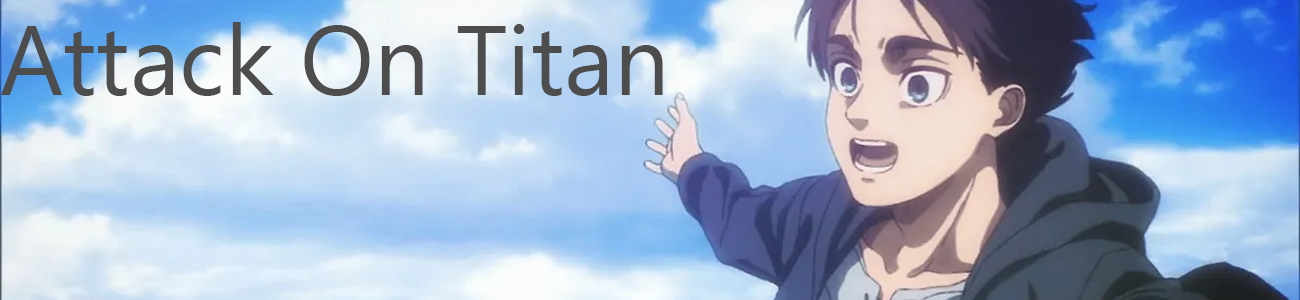
The History of Attack on Titan
Origins of the Manga
Attack on Titan began as a manga series created by Hajime Isayama, first published by Kodansha in Bessatsu Shōnen Magazine on September 9, 2009. The series ran for nearly twelve years, concluding on April 9, 2021, and ultimately spanning 34 volumes.
Isayama’s early concept centered on themes of fear, oppression, and the fragility of human society—ideas inspired by his own experiences growing up in a rural town and feeling “outside the walls” of larger society. Over time, the story evolved into a sprawling narrative about war, identity, and the cycles of violence.
Rise to Popularity
The manga quickly gained attention for its intense atmosphere, morally complex characters, and shocking plot twists. Its blend of dark fantasy, post‑apocalyptic drama, and political intrigue set it apart from other shōnen titles of its era. By the mid‑2010s, Attack on Titan had become one of the best‑selling manga series worldwide.
Anime Adaptation
The anime adaptation premiered in 2013, produced initially by Wit Studio. Its high‑quality animation—especially the fluid 3D maneuver gear sequences—helped propel the series to global fame. Seasons 1–3 were handled by Wit Studio, while MAPPA took over production for the multi‑part Final Season beginning in 2020.
The anime concluded in 2023, marking the end of a decade‑long adaptation that expanded the franchise’s reach far beyond manga readers.
Expansion Into a Multimedia Franchise
As the series grew, so did its universe. Attack on Titan expanded into:
-
Light novels
-
Manga spin‑offs
-
Video games
-
Live‑action films
-
Merchandise and exhibitions
This multimedia presence helped cement the series as a cultural phenomenon.
Legacy and Impact
By the time the manga ended in 2021 and the anime wrapped in 2023, Attack on Titan had become one of the most influential anime and manga franchises of its generation. Its themes of freedom, oppression, nationalism, and moral ambiguity sparked widespread discussion and academic analysis.
The series’ bold storytelling choices, willingness to challenge its audience, and unforgettable characters have ensured its place as a modern classic.