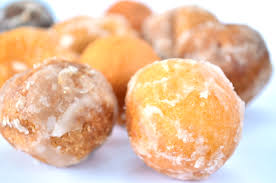
Donut holes are small, round treats that offer the same delicious flavors as regular donuts in a bite-sized form. Traditionally, donut holes were made from the small pieces of dough removed from the center of ring-shaped donuts before frying. Instead of wasting that dough, bakers fried the centers as well, creating the popular snack now known as donut holes. Today, many donut holes are made intentionally in round shapes rather than simply from leftover dough, but they still carry the same classic taste and texture that donut lovers enjoy.
There are two main types of donut holes: cake donut holes and yeast-raised donut holes. Cake donut holes are made from a thicker batter that is similar to cake. They are usually dense, moist, and slightly crumbly on the inside. Because of their firm texture, cake donut holes hold toppings well and often have a slightly crisp outside after frying. Yeast-raised donut holes, on the other hand, are made from dough that uses yeast to rise. This process makes them light, airy, and fluffy. Yeast-raised donut holes have a soft interior and a slightly chewy texture, making them different from their cake counterparts.
Donut holes come in many flavors. Some of the most common include plain, chocolate, vanilla, and old-fashioned. Chocolate donut holes are rich and sweet, often made with cocoa powder mixed into the dough. Vanilla donut holes have a mild, sweet flavor that pairs well with many toppings. Old-fashioned donut holes may have a slight hint of nutmeg or spice, giving them a classic bakery taste. In recent years, bakeries have expanded their flavors to include pumpkin, red velvet, blueberry, and even seasonal varieties like peppermint or apple cider.
Toppings and coatings add even more variety to donut holes. One of the most popular coatings is powdered sugar, which gives the donut holes a soft, snowy appearance and a sweet finish. Cinnamon sugar is another favorite, adding a warm, slightly spicy flavor. Glazed donut holes are covered in a thin, shiny layer of sugar glaze that hardens slightly on the outside while keeping the inside soft. Some donut holes are dipped in chocolate or covered in frosting, then decorated with colorful sprinkles. Others may be drizzled with caramel or maple syrup for extra sweetness.
Some donut holes are also filled with delicious creams or fruit fillings. Jelly-filled donut holes may contain strawberry, raspberry, or grape filling inside. Cream-filled varieties might have vanilla cream, chocolate cream, or custard in the center. These filled donut holes add a surprise element with every bite, making them especially popular at parties and gatherings.
Because of their small size, donut holes are convenient and easy to share. They are often sold by the dozen and served at breakfast meetings, celebrations, or as snacks. Their bite-sized shape makes them less messy and easier to eat compared to full-sized donuts. Donut holes are also popular for dipping into coffee, hot chocolate, or milk, which makes them a favorite morning treat.
In conclusion, donut holes may be small, but they offer a wide range of flavors, textures, and toppings. Whether they are cake or yeast-raised, coated in sugar or filled with cream, donut holes provide a fun and tasty way to enjoy the classic flavors of donuts in a smaller form.