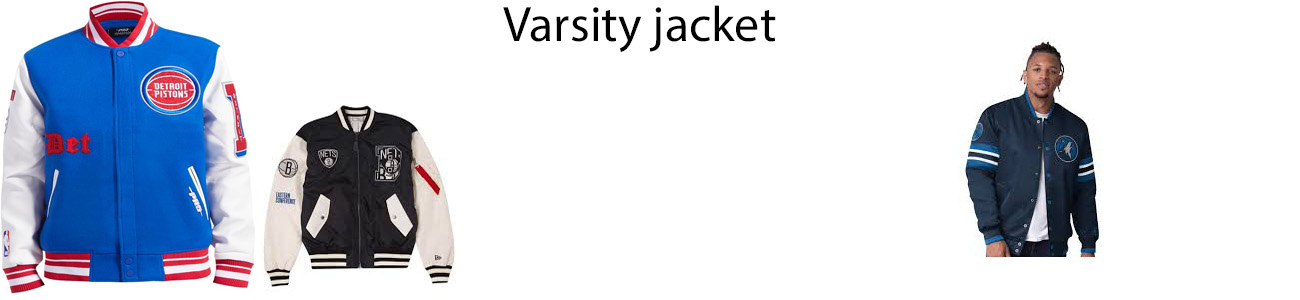
Varsity jacket patches, also known as letterman patches, come in various types that represent achievements, affiliations, and personal style. They are typically made from materials like chenille, felt, or embroidered fabric and can be attached via sewing or iron-on adhesive.
Common Types of Varsity Jacket Patches
- Varsity Letter Patches: The large initial letter representing a school or team is the most classic patch, usually made of plush chenille on a felt background and placed on the left chest over the heart.
- Activity/Sport Patches: These represent participation in specific sports (e.g., football, basketball, cheerleading) or extracurricular activities (e.g., music, academic clubs) and often feature relevant symbols.
- Number & Year Patches: Numerals are used to denote a jersey number or, in the case of a large number on the sleeve, the graduation year (e.g., "Class of 2025").
- Chevron/Bar Patches: Small, rectangular, or V-shaped patches (chevrons) are used to signify the number of years a student has participated in a specific activity.
- Mascot Patches: A larger patch featuring the school or team mascot is often placed on the back of the jacket.
- Name Patches: The wearer's name or nickname is typically embroidered in script and placed on the right front panel.
- Academic Patches: Patches for academic honors, honor roll, or specific subject awards can also be added to sleeves or the front panel.
Materials and Application
Patches are available in different materials and backings to suit various preferences:
- Chenille: Known for its soft, fuzzy, raised texture and vintage look, it is the most traditional material for varsity letters and numbers.
- Embroidered: These patches use flat stitching for greater design detail and a professional finish.
- Woven: Ideal for intricate designs or small text where fine detail is important.
- Leather/PVC: These offer a more luxurious or durable, weather-resistant option for specific styles or uses.
Patches can be attached using a variety of methods, including sewing, iron-on adhesive (heat-applied backing), or Velcro, with sewing generally recommended for the most durable bond.
.jpg) |