Origins and Early Evolution
- Ancient China: The use of paper for flight likely began over 2,000 years ago in China with the invention of kites and early flying toys.
- Leonardo da Vinci: In the late 15th century, Leonardo da Vinci reportedly used parchment paper to create models of his ornithopter and parachute designs to test his theories of human flight.
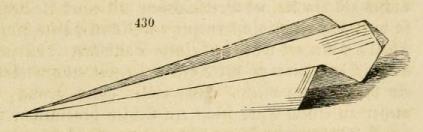
- The "Paper Dart" Era: Throughout the 19th century, children played with what they called paper darts. Historical evidence includes 100-year-old paper darts found in the rafters of a chapel and an 1881 description of the New York Stock Exchange where members were fined for throwing them.
Use as Engineering Tools
- Sir George Cayley: In 1804, the "father of aviation" used small linen and paper gliders to identify the four primary aerodynamic forces: weight, lift, drag, and thrust.
- The Wright Brothers: Before their historic 1903 flight, the Wright brothers built and tested numerous paper models in their home-built wind tunnel.
- Jack Northrop: In the 1930s, the co-founder of Lockheed Corporation used paper models to test aerodynamic shapes and structures for what would become massive WWII military aircraft.
Modern Era and Competitions
- The Name Change: The term "paper airplane" only became dominant in the 1950s and 60s, once actual fighter jets like the Avro Vulcan began to mirror the dart-like shape of the toys.
- The First International Contest: In 1966, Scientific American hosted the 1st International Paper Airplane Competition. It drew over 11,000 entries and led to the publication of The Great International Paper Airplane Book.
- World Records: Today, the hobby is a competitive sport. Current records include:
- Distance: 88.3 meters (approx. 290 feet) set in 2022 by Dillon Ruble.
- Time Aloft: 29.2 seconds set by Takuo Toda in 2010.
Would you like instructions on how to fold the world-record "Suzanne" design or more information on the aerodynamics that keep them in the air?